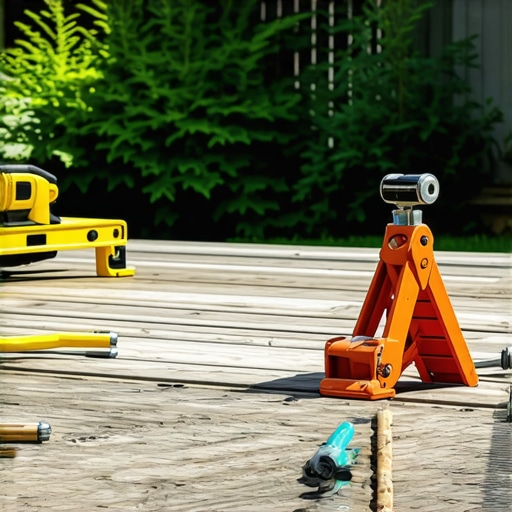
I’ll never forget that feeling—strolling out onto my deck one sunny morning and realizing it felt off. That slight tilt, the uneven planks under my feet—it was like my outdoor oasis was crying out for help. Turns out, my beloved deck had started sinking on one side, and I hadn’t noticed until the uneven surface became impossible to ignore. It was a lightbulb moment for me, realizing how a small shift can become a big problem if left unchecked. If you’ve ever experienced that sinking feeling—literally or figuratively—with your deck, then you know how frustrating it can be.
Why My Sinking Deck Became a Wake-up Call
The truth is, decks are more than just places to relax; they’re investments in your home’s beauty and functionality. When a deck starts to sink or tilt, it’s often a sign of underlying issues—whether soil settling, poor initial construction, or water damage—that need addressing before they worsen. Early on, I made the mistake of thinking a little leveling here and there would suffice, but the problem kept getting worse. That’s when I realized the importance of understanding what causes decks to sink and how to fix it properly. If you’re facing a similar issue, it’s crucial to tackle it head-on—before it turns into a safety hazard or costs you a fortune.
Is Fixing an Old Deck Really Worth the Effort?
Initially, I feared that my sinking deck was a lost cause—an expensive rebuild looming. But with proper guidance, I discovered that many sinking decks can be restored to their former glory, adding value and safety to your outdoor space. One thing I learned early on: rushing into quick fixes without understanding the root cause is a common mistake that can lead to even bigger problems later. That’s why I recommend consulting trustworthy sources—like experts who emphasize the importance of precise leveling and structural integrity, especially for older decks that have endured years of weather and wear. I’ve found that investing time and effort into proper leveling can extend your deck’s lifespan for decades, turning a potential eyesore into a beautiful, safe retreat.
Ready to solve your sinking deck issue? Let’s get started on the step-by-step process to bring your outdoor space back to level and enjoy it for many years to come. And if you’re curious about other upgrades, check out ideas for elevating your home’s curb appeal through modern stair designs or maximizing space with deck layouts.
Lift and Stabilize Your Deck
Begin by identifying the sinking area; use a laser level to gauge the extent of unevenness. Loosen the deck fasteners around the affected post or beam, then carefully lift the sagging corner with a jack. Place sturdy shims or piers beneath the post to support the weight, ensuring a firm, level foundation. I once used a hydraulic bottle jack and wooden shims to lift a deck corner, which required patience but resulted in a stable, level surface. This process restores stability and prevents further sinking, much like supporting a leaning shelf before additional weight causes it to topple.
Assess and Repair the Post and Footings
Check the deck’s posts and footings for rot, cracks, or shifting. Remove any damaged wood and replace with treated lumber or composite supports designed for structural integrity. For instance, I replaced a rotting post with a steel post sleeve and a new adjustable footing, which provided a long-term solution. Ensuring proper footing depth and frost heave resistance is critical. As explained in this guide, using adjustable footings allows precise leveling, especially on uneven ground.
Reset and Reinforce the Frame
After leveling, reattach the ledger board securely and verify that all joists are correctly aligned. Use double joists under the unsupported edges if necessary, following best practices outlined in structural reinforcement tips. Secure all connections with corrosion-resistant fasteners and check that no bolts or screws are loose. I found that applying galvanized or stainless-steel screws prevented movement caused by environmental factors and maintained the deck’s stiffness. Proper reinforcement ensures the deck stays level and safe against future sinking.
Check Drainage and Soil Conditions
Inspect the ground around the foundation for proper drainage; pooling water accelerates soil settling. Incorporate gravel-filled drainage gaps under footings or install a french drain if necessary. I added a drain pipe near a problematic corner, which improved soil stability. Soil compaction and moisture levels influence the soil’s load-bearing capacity. For additional protection, consider elevating the deck slightly above grade to prevent water accumulation, as suggested in expert outdoor living insights.
Prevent Future Sinking with Maintenance
Regularly inspect the deck for signs of movement or water damage. Reinforce footings annually, especially after harsh winters or heavy rains. Applying sealants and ensuring proper drainage will extend your deck’s lifespan. In my experience, proactive monitoring and timely repairs prevented small issues from escalating. Incorporate these practices into your routine, and your deck will remain stable for many years.
For more advanced ideas on deck upgrades, visit custom composite decking ideas or explore modern staircase designs to enhance safety and style.
Many homeowners and even seasoned DIY enthusiasts often fall prey to common misconceptions when it comes to outdoor living spaces, especially regarding composite decking, stairs, and hiring a deck builder. One widespread myth is that choosing the most affordable materials or cheapest labor will save money in the long run. In reality, cutting corners upfront can lead to costly repairs or replacements down the line, as highlighted in expert insights from professionals experienced in designing durable outdoor structures. It’s crucial to understand that quality materials and skilled craftsmanship provide real value, especially since improperly installed or low-quality composites can warp, crack, or fade faster, negating any initial savings.
Another trap is underestimating the importance of proper stairs design and installation. Many overlook the nuances of safe and stylish staircases, which not only enhance aesthetic appeal but also ensure safety and compliance with local codes. For instance, neglecting to incorporate adequate riser heights or correct handrail placement can result in trip hazards or violations that lead to costly fines. Advanced users should consider integrating modern, customizable designs that maximize space and safety, as discussed in our guides on designing safe and stylish stairs.
Let’s address a common misconception among DIYers: that composite decking requires little to no maintenance. While composites are indeed low-maintenance, neglecting regular inspections and cleaning can accelerate deterioration. For example, accumulation of dirt or algae in shaded areas can promote mold growth, decreasing deck lifespan. Recognizing these nuances can make the difference between a beautiful, lasting deck and a costly replacement. Regular maintenance routines, including cleaning and sealing, extend the life of your investment, as emphasized in the latest composite decking trends.
One often overlooked aspect is the significance of collaboration with a professional deck builder. Many assume that DIY is always cheaper and easier, but experts bring valuable insights, from precise measurements to advanced leveling techniques, that prevent future issues like uneven surfaces or structural instability. Their experience in managing complex projects ensures safety, longevity, and aesthetic harmony, which are vital for a successful outdoor upgrade. If you’re considering a major renovation, reading the benefits of working with a pro can help you make an informed decision.
Finally, many forget that outdoor living is a dynamic space—requiring flexibility in design. This includes planning for future upgrades like integrated lighting, heating, or privacy features. A nuanced understanding of how materials behave over time and under varying weather conditions allows for smarter choices, preventing surprises later. For example, selecting grooved boards for hidden fasteners maintains a sleek look, while properly installed drainage systems prevent water pooling and soil instability beneath the deck.
In summary, mastering outdoor living spaces goes beyond surface-level choices. It demands a nuanced understanding of material behaviors, structural principles, and the importance of expert collaboration. Recognizing these hidden aspects can save you time, money, and headaches—helping your outdoor oasis stand the test of time. Have you ever fallen into this trap? Let me know in the comments.
Investing in Precision Tools for Deck Maintenance
When it comes to keeping your outdoor space in top shape, having the right equipment makes all the difference. I personally rely on a high-quality laser level to ensure my deck’s posts and beams are perfectly aligned. Unlike traditional bubble levels, laser levels provide a 360-degree reference, speeding up the process and increasing accuracy—crucial when performing structural repairs or installations like stairs and composite decking. Additionally, I use a cordless impact driver with corrosion-resistant bits. This tool makes fastening deck boards or replacing damaged hardware effortless, especially when working in tight spots or overhead. Investing in these tools upfront saves time and ensures a professional finish, extending your deck’s lifespan.
Essential Maintenance Tools for Longevity
To maintain your deck’s integrity over the years, some less obvious tools are invaluable. A power washer with adjustable pressure enables gentle cleaning that removes algae, dirt, and stains without damaging the surface. I recommend setting the pressure below 1500 PSI for composite decks, especially. A decking scraper helps remove stubborn debris or peeling sealants, preventing decay. For ongoing upkeep, I keep a sealant applicator brush and a mild cleaning solution tailored for composite materials. Regular attention with these tools helps prevent issues like mold growth, wood rot, or surface fading—saving you costly repairs down the line.
Predicting the Future of Outdoor Maintenance
Looking ahead, innovation in tools and materials will likely focus on smart technology and automation. Imagine robotic cleaners programmed specifically for composite surfaces or sensors that monitor moisture levels and alert you before problems escalate. Such advancements could make maintenance even more straightforward and proactive, extending the life of your outdoor structures significantly. Staying updated through industry resources and guides—like the latest trends in composite decking—will help you incorporate these innovations into your routine effectively.
What About Long-Term Upkeep and Scaling?
Maintaining a deck isn’t a one-time effort; regular inspections are key. I recommend setting quarterly reminders to check for loose fasteners, signs of rot, or drainage issues. For scaling your outdoor living space, tools like modular piers or adjustable footings allow for adaptable support systems, especially on uneven terrain. As you expand or upgrade, keeping your foundational elements in check ensures safety and stability. For example, when adding stairs or new sections, consulting with a professional deck builder can optimize long-term results, saving money and preventing future headaches.
How do I Maintain My Deck and Stairs Over Time?
Consistent cleaning and inspection are vital. Use a power washer periodically to remove dirt, and apply a protective sealant every 2-3 years—particularly for composite decking and stairs—to guard against weathering. Promptly fix any loose screws or damaged boards to prevent safety hazards. I also suggest upgrading your lighting with low-voltage LED systems to avoid flickering issues caused by moisture infiltration, as discussed in this detailed guide. Implementing these maintenance routines and tools will ensure your outdoor space remains beautiful, functional, and safe for years to come. Remember, proactive upkeep is the secret to long-term satisfaction—try integrating a quarterly check using a laser level or impact driver to keep everything aligned and secure.
What I Wish I Knew Before Starting My Deck Fix
- Patience is your best ally; rushing repairs can lead to more issues down the line. I learned this the hard way when attempting to level my deck without proper support, which only worsened the sinking problem.
- Understanding the root causes—soil conditions, aging posts, water damage—is crucial. Skipping this step may result in temporary fixes that won’t last through harsh weather or time.
- Investing in quality tools like a laser level or corrosion-resistant fasteners makes a noticeable difference in the outcome and longevity of your repair. Trust me, these small upgrades are worth every penny.
- Regular maintenance, such as inspecting for rot or loose fasteners, can save you from major headaches later. Catching early signs of wear keeps your outdoor oasis safe and beautiful for years.
Tools and Resources I Keep Coming Back To
- Laser levels: A dependable laser level ensures your posts and beams are perfectly aligned, which is fundamental for a level deck. I personally use one for all structural adjustments.
- Adjustable footings and piers: These allow for precise leveling and accommodate uneven ground, making future modifications easier and more secure. They’re a game-changer in deck stability.
- Expert guides and tutorials: Trustworthy sources like professional blogs provide insights that save time and prevent costly mistakes.
- High-quality fasteners: Stainless steel or galvanized screws resist corrosion and maintain the integrity of your deck long-term. I always choose these for peace of mind.
Your Chance to Build Something Lasting
Taking the initiative to repair and upgrade your outdoor living space is more than just a project—it’s an investment in your home and well-being. Every correct level, sturdy post, and properly reinforced joint translates into a safe, beautiful haven where memories are made. Whether you’re fixing a sinking corner or planning a new deck layout, remember that patience, knowledge, and the right tools are your best friends. Let your outdoor space reflect the effort you put into it, a place you can enjoy for decades. Ready to transform your deck with confidence? Share your stories or questions below—your journey might inspire others to take that first step toward backyard bliss.