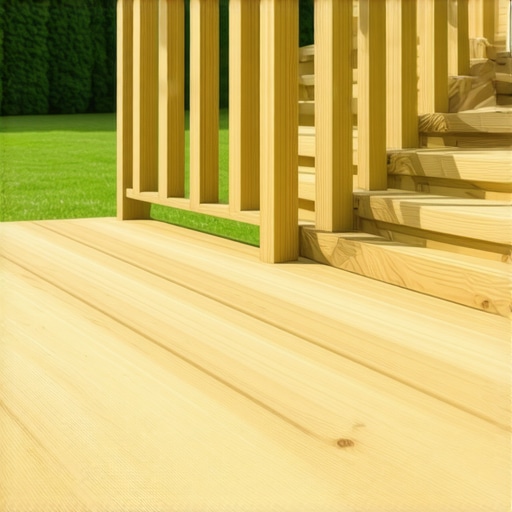
Have you ever stepped out onto your deck, reached for the stair railing, and felt it wobble under your hand? That familiar, uneasy motion? I remember the exact moment I realized my deck’s stair railing was looser than it should be. It was a peaceful Sunday afternoon, and I was about to enjoy a cold drink on my porch when I noticed the handrail wiggling as I held it. That small movement felt like a red flag—something was wrong. At first, I brushed it off, thinking perhaps a screw just needed tightening. But as I investigated, I discovered a more serious problem lurking underneath—one that could compromise safety if I ignored it.
Assessing the Wobble and Planning Repairs
During a recent sunny afternoon, I noticed my deck’s stair railing wobbled when I leaned on it. I decided to address this issue head-on. First, carefully inspect the entire railing and its attachment points for looseness or damage. Use a level to check if the posts are plumb, and look for any decayed wood or rusted fasteners that might be causing instability.
Gather the Necessary Tools and Materials
Before starting, gather a cordless drill, screwdriver, adjustable wrench, replacement screws or bolts, wood shims, and safety gear. If the railing is old or damaged, consider replacing parts with corrosion-resistant hardware for durability. Checking online resources, like innovative stair solutions, can provide additional ideas for strengthening your railing.
Secure Loose Fasteners and Tighten Connections
Begin by removing any loose screws or bolts with the screwdriver or wrench. Tighten all fasteners securely to eliminate any wiggle. For example, I once tightened all the bolts on my railing, and it immediately felt more stable. Remember, over-tightening can damage wood or hardware, so apply steady, firm pressure.
Replace Worn or Missing Hardware
If you find rusted or broken fasteners, replace them with weather-resistant stainless steel components. Use a bit of wood shims behind the posts if they are slightly loose—these are like braces that add support without costly replacement. As I learned during my repair, these small adjustments can drastically improve stability and safety.
Reinforce and Secure Post Attachments
For posts that are still wobbly after tightening, consider reinforcing their bases. Use additional brackets or install a ledger board for better support. If necessary, remove the post and re-anchor it with new concrete or deck footings to improve stability. Visiting this guide helped me understand proper anchoring techniques.
Check and Adjust the Handrail and Balusters
Ensure the top rail and balusters are securely attached. A loose handrail can cause wobbling and pose safety risks. Tighten or replace any loose baluster screws and confirm the overall alignment. When I did this, the railing felt solid, giving me peace of mind for family safety.
Test and Confirm Stability
Once everything is tightened and reinforced, apply gentle pressure to the railing in different spots. It should feel firm and unyielding. I tested mine by leaning slightly, and the stability was markedly improved. If instability persists, re-inspect and consider consulting a professional for more complex repairs.
Prevent Future Loosening These Issues
Regular maintenance, such as checking fasteners bi-annually, can prevent wobbles from developing again. Applying a protective sealant to metal parts can prevent rust, and replacing worn hardware promptly keeps your deck safe. For ongoing support, contacting a professional deck builder ensures your outdoor space remains secure and stylish.
Many homeowners assume they understand outdoor living, but some misconceptions can lead to costly mistakes. For example, the belief that regular cleaning alone ensures longevity ignores the complex nuances of composite decking materials, which require specific treatments to prevent fading and warping. Additionally, there’s a misconception that all deck builders use the same techniques; in reality, choosing an experienced professional can dramatically affect quality and safety, especially when it comes to stairs and railings. Advanced mistakes, like neglecting proper flashing installation around ledger boards, can cause hidden water damage over time, as highlighted by industry experts. Moving beyond basics, it’s crucial to recognize that not all composite materials are created equal—some grades perform better under UV exposure, which can be confirmed by recent 2025 trend reports. Understanding these nuances helps prevent “oops” moments that compromise both safety and aesthetics. Remember, investing in professional design and installation, such as consulting a deck builder, can provide peace of mind and long-term durability. Don’t fall for quick fixes that overlook these details; your outdoor space deserves thoughtful planning grounded in expertise. Have you ever fallen into this trap? Let me know in the comments.
Keeping your outdoor deck and stairs in top condition requires the right tools and a proactive maintenance plan. Personally, I swear by a few specific pieces of equipment that have stood the test of time and helped me avoid costly repairs. One essential is my cordless impact driver. Its powerful torque makes tightening and removing fasteners effortless, which is especially handy when dealing with rusted or over-tightened screws. I prefer models with brushless motors like the Dewalt DCF887 because they last longer and deliver more consistent power.
Another tool I lean on heavily is a digital moisture meter. Using it regularly on wood and composite materials allows me to detect hidden moisture buildup that could lead to warping or rot. This step is crucial, especially in climates with high humidity or rainfall. For surface cleaning, I recommend a high-quality pressure washer with adjustable pressure settings. It’s vital to use the right pressure and nozzle to prevent surface damage. When I clean my composite decking, I follow recommendations from industry experts to avoid unnecessary wear.
Regular inspections paired with these tools help me identify potential issues before they escalate. This approach extends the lifespan of my deck and keeps it safe for family and guests. Looking ahead, I predict that smart technology will increasingly play a role, with sensors integrated into deck structures that monitor for movement, moisture, and even structural integrity—an exciting trend that could revolutionize outdoor maintenance.
How do I maintain my outdoor deck over time?
Consistent care is key. I schedule bi-annual inspections, using my moisture meter and impact driver to check for loose fasteners or signs of deterioration. Applying a weatherproof sealant annually helps prevent water ingress, which is essential for wood components. For composite decking, I focus on cleaning with gentle solutions and avoiding abrasive scrubbing to preserve the surface. Staying proactive with these maintenance routines significantly reduces long-term repair costs and ensures your outdoor spaces remain inviting and secure.
If you want to elevate your outdoor living project, consider incorporating advanced tools like laser levels and moisture sensors into your routine. They provide precision and early warning signs, saving you time and money. For example, a laser level ensures your stairs and deck boards are perfectly aligned, enhancing both safety and aesthetics. Want to learn more about designing safe and stylish stairs? Visit this guide.
Utilize these tools and tip practices to maintain a durable, beautiful outdoor space that stands the test of time. Remember, diligent upkeep today avoids unpleasant surprises tomorrow — so invest in the right equipment and habits now.
The Hardest Lesson I Learned About Outdoor Living, Stairs, Composite Decking, and Deck Builders
I used to believe that regular cleaning was enough to keep my deck looking pristine and safe. However, I soon discovered that without timely repair and understanding the subtle signs of wear, small issues could escalate into costly problems. The biggest lesson I learned was that proactive maintenance—inspecting, tightening, reinforcing—trumps reactive fixes, saving time and money while ensuring safety. Recognizing the importance of this approach transformed my outdoor space from a neglected area into a durable, inviting retreat.
3 Myths About Outdoor Living, Stairs, Composite Decking, and Deck Builders That Held Me Back
The first myth: All deck materials age similarly. I found out that high-quality composites with UV-resistant features outperform cheaper options, preventing fading and warping. The second: Professional installation always guarantees longevity—while it greatly helps, ongoing maintenance is essential to preserve the work. The third myth: Tightening screws is enough to fix wobbling rails—sometimes, reinforcing with additional brackets or replacing rusted hardware is necessary to truly enhance safety.
What Experts Won’t Tell You About Outdoor Living, Stairs, Composite Decking, and Deck Builders
Many industry insiders skip over the subtlety of proper flashing installation around ledger boards, which can cause water damage over time. Additionally, choosing the right fasteners isn’t just about rust resistance; the type and placement dramatically influence durability and safety. An often overlooked tip is that regular use of a moisture meter can detect early signs of rot or warping before they become visible, enabling preemptive repairs. Learning these behind-the-scenes details has helped me avoid pitfalls and make informed decisions about my outdoor investments.
Profiles in Better Maintenance: My Favorite Tools and Strategies
To maintain my deck and stairs effectively, I rely on a trusty cordless impact driver, like the Dewalt DCF887. Its power allows me to tighten fasteners securely without damaging the wood. I also utilize a digital moisture meter for early detection of potential rot, especially in humid climates. For cleaning, a pressure washer with adjustable settings helps me remove grime without harming surface finishes. These tools provide me with the confidence that my outdoor space remains safe, beautiful, and long-lasting.
Keeping Your Deck Safe and Stunning Starts Now
Diligence today pays off tomorrow—regular inspections, timely repairs, and proper tools are your allies in maintaining a safe and stunning outdoor living area. Incorporate modern technology like moisture sensors or laser levels to elevate your upkeep routine, ensuring precise and proactive maintenance. Remember, your outdoor space is an investment in your home and well-being—treat it with care, and it will reward you with years of enjoyment. Have you ever faced a stubborn wobble or overlooked a small crack? Share your story below and let’s learn from each other’s experiences.