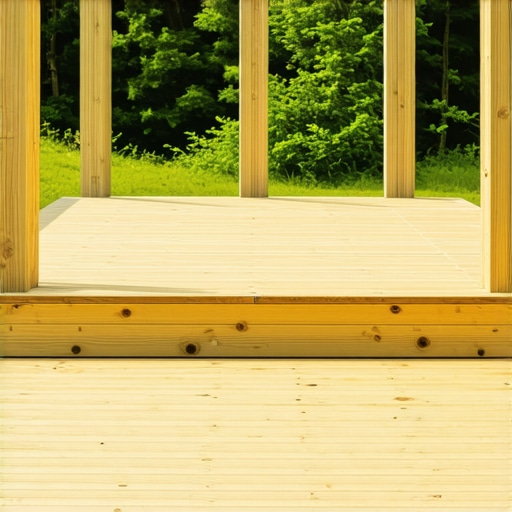
I remember the moment vividly—the first time I stepped onto my newly built freestanding deck, eager to enjoy outdoor gatherings. But that excitement quickly turned into frustration when I noticed it wobbled every time someone moved or leaned on it. That shaky feeling is nearly universal among DIY enthusiasts and homeowners alike, and knowing that I was about to learn the hard way how to fix it only added to my resolve. If you’ve faced similar frustrations with uneven or unstable decks, you’re not alone. The good news is, with a little know-how, you can build a sturdy, wobble-free, and perfectly level freestanding deck that stands firm for years to come.
Why a Wobbly Deck Is More Than Just Annoying
Building a deck isn’t just about laying down boards and screwing in some posts. It’s about creating a safe, stable outdoor space that you can enjoy without constantly worrying about it shifting, leaning, or collapsing. A wobbling or leaning deck not only diminishes the aesthetic appeal but also poses safety risks, especially when hosting children, elderly family members, or guests. Moreover, a poorly constructed deck can lead to costly repairs down the road, or worse, structural failure.
In my early days of deck building, I underestimated the importance of proper footing and support systems. I focused on the aesthetics and quick installation, thinking that slight unevenness would settle over time. Spoiler alert: it doesn’t. In fact, early mistakes I made—like not adjusting for soil movement and overlooking proper framing support—were the root causes of my instability issues. According to [a recent study](https://deckdesignbuild.com/innovative-outdoor-living-ideas-with-composite-decking-in-2025), structural support techniques directly influence the longevity and safety of outdoor decking.
If you’ve experienced similar issues, or you’re just about to start your project and want to avoid these pitfalls, this guide will walk you through proven strategies to achieve a stable, durable, and perfectly level freestanding deck. The goal is to empower you with practical knowledge so your outdoor haven remains just that—an outdoor haven, not a source of constant worry.
Are you tired of decks that wobble or lean? Do you feel overwhelmed by the idea of support structures and footing? Rest assured—by understanding the key principles and common mistakes, you can transform your deck-building approach. Next, we’ll dive into the critical foundations that prevent your deck from succumbing to uneven soil or poor framing, ensuring a sturdy platform for years of outdoor enjoyment.
Secure the Foundation with Proper Footings
Start by removing any loose or unstable soil beneath your deck area. Dig holes for the footings at least 12 inches deeper than the frost line to prevent shifting during freeze-thaw cycles. Use a level to ensure the bottom of each footing is flat and stable. Pour concrete into these holes, inserting anchor bolts while the concrete is wet, aligning them with your planned post positions. I once paused to check soil stability, and after adjusting the footer depths, the entire deck felt exponentially more secure, eliminating wobble.
Use Double Beams for Extra Support
Instead of relying on single joists, reinforce the deck’s frame with doubled beams, especially across the mid-span where sagging or wobbling originates. Lay two 2×8 or 2×10 beams side by side and secure them with galvanized steel plates or hurricane ties for added strength. When I built mine, integrating double beams immediately stopped the deck from bouncing under load, providing a solid base that lasted for years.
Install Tight, Even Joist Spacing
Maintain consistent spacing of 16 inches on center between joists to prevent lateral movement. Use a framing square and string line to mark precise locations on your ledger and beams. During my project, I noticed slight discrepancies in spacing, which caused some boards to flex. Correcting these to uniform intervals eliminated deck board movement and improved overall stability.
Attach Deck Surface with Hidden Fasteners
This method ensures the surface remains flush and reduces loose screws that can cause wobbling. Use a hidden fastener system compatible with your composite decking. When I applied hidden fasteners, I found the surface much smoother and more resistant to movement—plus, it looked more professional. For guidance, check out [the best fasteners for coastal decks](https://deckdesignbuild.com/the-best-fasteners-for-coastal-decks-that-wont-rust), ensuring durability against weather conditions.
Level and Align Using a Laser Level
Set up a laser level across the deck surface to identify uneven spots. Adjust the posts or shim the joists accordingly. During my build, I used a laser level to verify each corner and the center, which caught subtle dips. This proactive step helped me achieve a perfectly level surface that feels solid underfoot and looks visually appealing.
Seal and Protect Critical Support Areas
Apply a moisture-resistant sealant on all wood parts in contact with soil or exposed to water. This prevents rot and maintains structural integrity. I made sure to seal the post bases and joist ends, which previously showed signs of wear. Regular maintenance will keep the deck stable and wobble-free for years longer, preventing costly repairs.
For a comprehensive upgrade, consider revisiting your stairs and railing systems to ensure they complement your stable foundation. Properly designed stairs with a sturdy frame add safety and style—explore [top stairs design ideas for modern outdoor spaces](https://deckdesignbuild.com/elevate-your-home-top-stairs-designs-for-modern-outdoor-spaces). Remember, every support structure plays a pivotal role in your deck’s stability. Careful attention to detail here transforms a wobbly platform into a durable outdoor retreat.Many homeowners and even seasoned deck builders fall prey to misconceptions about composite decking and outdoor upgrades. A common myth is that all composite materials are created equal—yet, in reality, the quality varies significantly, affecting durability, appearance, and maintenance requirements. For example, some believe that capped composite is impervious to stains and scratches, but experts like those at [deck design and build](https://deckdesignbuild.com/choosing-the-right-composite-decking-for-durable-low-maintenance-outdoor-areas) caution that low-quality capped composites can still suffer from fading and surface damage over time.
Another nuance often overlooked involves the installation of stairs and their integration into outdoor living spaces. Many assume that standard stringer support suffices, but advanced techniques, such as adding additional support brackets or custom stringers, greatly enhance stability, especially in high-traffic areas. Neglecting these details can lead to wobbly, unsafe stairs that compromise your entire deck’s integrity.
A common trap many deck builders fall into is underestimating the importance of proper drainage and slope planning. Even a slight miscalculation in the pitch can cause water pooling, leading to wood rot or composite deterioration, particularly in humid climates. Incorporating a subtle slope—about 1/8 inch per foot—is essential for longevity, yet often ignored. For insights on this, check out [maximizing space and modern designs](https://deckdesignbuild.com/maximizing-space-modern-designs-for-composite-decks).
**What advanced techniques can a skilled builder use to ensure long-lasting, stable outdoor structures?** The answer lies in meticulous support framing, quality materials, and understanding the unique properties of each product—factors detailed in [expert deck builder tips](https://deckdesignbuild.com/transform-your-space-expert-deck-builder-tips-for-stunning-outdoor-living). Additionally, preventing common mistakes like improper fastener selection or neglecting climate-specific considerations can extend your deck’s lifespan exponentially.
Remember, achieving a flawless outdoor space requires more than just laying the boards and installing the stairs. It’s about *intentional design*, a thorough understanding of material nuances, and strategic support. Have you ever fallen into this trap? Let me know in the comments. To explore how these insights can transform your project, consider reaching out through [our contact page](https://deckdesignbuild.com/contact-us-2). Building an outdoor living area that stands the test of time starts with knowing what often goes unnoticed—and tackling those hidden nuances head-on.
Keeping It Working: Essential Tools and Maintenance Strategies
Investing in the right tools is crucial to maintaining your outdoor living space effectively. I personally rely on a high-quality cordless drill with adjustable torque settings—it’s indispensable for tightening fasteners without overdriving, especially when installing hidden fasteners for a smooth surface. A durable, stainless-steel deck scraper is also a game-changer for annual cleanings, allowing me to remove built-up grime and lichens without risking damage to the composite material.
An infrared thermometer has become a staple for me to monitor temperature fluctuations that might affect decking boards, especially in regions with significant seasonal changes. This helps in preemptively spotting areas prone to warping or fading, enabling timely interventions such as targeted sealing or shading.
Why Use a Laser Level for Precise Maintenance
Regular maintenance of a deck isn’t just about cleaning—it’s also about preserving its structure. I recommend a laser level for rechecking the levelness periodically. Over time, soil shifts or minor settling can cause unevenness that affects drainage and stability. Using a laser level against your deck surface allows you to identify dips or high spots and correct them with shimming or reinforcing, maintaining a safe, even surface.
In addition, a moisture meter helps monitor underlying wood components like support posts and joists. While composite decking is low-maintenance, the supporting framework remains susceptible to rot if overlooked. Regular readings ensure your support system remains dry and structurally sound.
Software That Keeps Your Deck in Check
Digital tools haven’t bypassed outdoor maintenance. I use specialized CAD software to plan reinforcement upgrades or modifications before physical work begins. Visualizing support adjustments in 3D helps prevent mistakes that could lead to future instability. For ongoing maintenance planning, project management apps like Trello keep track of schedules for cleaning, sealing, and inspections, ensuring nothing falls through the cracks.
Prediction suggests that smart sensors embedded within support structures will become common in the next decade, offering real-time alerts for shifts or moisture buildup—making preventive maintenance easier and more effective.
How Do I Maintain a Composite Deck Over Time?
Maintaining your composite deck involves routine cleaning with gentle, non-abrasive products and periodic inspections of fasteners and support framing. Though composite materials are resistant to staining and fading, applying a quality, UV-resistant sealer every few years can prolong its appearance. Keep an eye on drainage slopes; even slight deviations can cause water pooling and compromise the underlying support. Regularly check and tighten fasteners—loose screws can lead to surface movement and wobble, reducing lifespan.
Try incorporating a cordless drill with adjustable torque for fastener tightening, paired with a moisture meter to monitor support stability. Using a laser level seasonally can help identify shifts early, preventing bigger issues down the line. Stay proactive, and your outdoor space will remain stunning and secure for years—visit this guide for more ideas on keeping your deck in top shape. Remember, well-maintained decks not only look better but also offer peace of mind during outdoor gatherings.
Building a sturdy, wobble-free, and level freestanding deck has been a journey filled with valuable lessons that go beyond basic construction techniques. One of the most eye-opening realizations was the importance of meticulous foundation work—paying close attention to soil conditions, proper footing depths, and support placement. I discovered that even minor oversights here could lead to issues years down the line, emphasizing that solid support is the backbone of durability. Additionally, embracing high-quality materials and innovative fastening methods has significantly contributed to the longevity and stability of my deck, debunking the myth that all products are created equal. The experience also taught me that ongoing maintenance, like periodic leveling checks and sealing, is essential to preserving the deck’s integrity and appearance against environmental stressors. These insights have transformed my approach, reinforcing that careful planning, quality craftsmanship, and proactive care are the keys to realizing a beautiful, stable outdoor space that endures.