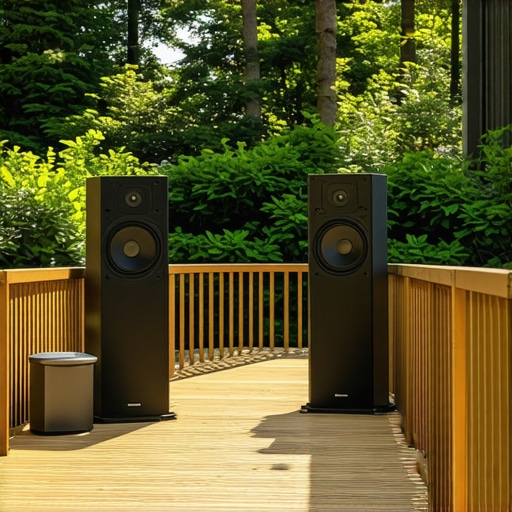
I remember the first warm weekend I decided to enjoy my deck with some background tunes. I was excited—ready to lounge, sip my drink, and let the music set the perfect mood. But almost immediately, I realized I had made a rookie mistake: my outdoor speakers were way too loud. Within minutes, I could see my neighbors peering over their fences, probably wondering who scheduled the neighborhood concert. That lightbulb moment hit hard: outdoor speakers are supposed to enhance your space, not turn you into the neighborhood’s nuisance.
The Challenge of Enjoying Outdoor Music Without the Neighborly Complaints
Since then, I’ve been on a quest to find speakers that deliver good sound while keeping the peace. You see, the key isn’t just about volume—it’s about choosing the right equipment and placement to prevent your tunes from becoming a source of tension. Today, I’ll share what I’ve learned over years of trial and error about selecting The Best Outdoor Speakers for Decks That Won’t Annoy Neighbors. Whether you’re hosting a backyard barbecue or just unwinding after a long day, the right speakers can make all the difference.
Is Sound Quality More Important Than Being Neighbor-Friendly?
Early on, I made the mistake of prioritizing loudness over sound quality and discretion. I thought I needed high wattage and booming bass to enjoy my music outdoors, but I soon realized that increased volume equals increased neighbor complaints. According to experts, careful sound management not only keeps neighbors happy but also prevents your outdoor setup from becoming a source of neighborhood conflicts. Don’t fall into the trap of thinking more volume always equals better sound; instead, focus on quality and strategic placement.
Place Your Speakers Strategically
Start by positioning your outdoor speakers in areas that direct sound toward your deck, not neighboring yards. For example, mount them close to the house wall, angling them downward. I once placed mine on a tall post facing outward, which caused the sound to carry far—unintentionally disturbing everyone nearby. After moving the speakers closer and angling them downward, the sound stayed contained, and neighbors stopped knocking on my door.
Use Directional Speakers for Focused Sound
Opt for speakers with directional cones that focus sound in a specific area. This prevents sound from scattering uncontrollably. I replaced my old omnidirectional speakers with directional ones, which dramatically reduced sound bleed. As a result, I enjoyed clear, crisp music without offending neighbors, even during late-night gatherings.
Adjust Volume and Frequency for Balance
Keep volume levels moderate—think of it like a soft whisper rather than a shout. Lower frequencies tend to travel further and penetrate walls more easily, increasing the risk of disturbance. I calibrated my speakers to slightly reduce bass, which made my music less intrusive. Use an app or receiver setting to fine-tune sound levels, ensuring clarity without excess volume.
Implement Zone Control for Multiple Speakers
If your deck has multiple zones, control each independently. During a small barbecue, I silenced speakers near the seating area while keeping others at a background level. This prevents overexposure of sound and maintains a peaceful environment. [Learn more about maximizing space in outdoor zones](https://deckdesignbuild.com/maximizing-outdoor-space-inspiring-deck-and-stair-ideas-for-every-budget).
Utilize Sound-Absorbing Materials
Incorporate soft furnishings and landscape elements like outdoor rugs, cushions, and shrubs to absorb excess sound. I added a large outdoor rug and several potted plants around my deck, which acted as natural sound barriers. This setup minimized reflections and echoing, making music sound warm and contained.
Shield Sound with Barriers
Building privacy screens or installing lattice with climbing plants can deflect or absorb sound. I installed a wooden privacy wall next to my speakers, which helped contain the sound within the yard. Think of it like lining a room with acoustic panels; it reduces noise spill.
Many homeowners believe that selecting the most expensive materials guarantees a durable and beautiful deck. However, this is a misconception rooted in oversimplified marketing claims. The real game-changer lies in understanding the nuance of installation techniques and material compatibility. For instance, some assume that composite decking, while low-maintenance, is impervious to issues like mold or warping. But without proper ventilation and sloping, even the best composite boards can develop mold or develop structural problems over time. Experts warn that neglecting the importance of precise framing and proper drainage can turn your dream outdoor space into a costly headache. It’s crucial to realize that selecting premium materials is just the starting point; mastering the installation nuances, such as correct joist spacing and weatherproofing, is what ensures longevity. Don’t fall for the myth that DIY methods or shortcuts will save money—professional guidance can prevent costly mistakes down the line. Moreover, many overlook how crucial the staircase integration is to overall safety and aesthetics. Skimping on robust, expertly designed stairs can compromise structural integrity or result in code violations. You can find innovative and safe staircase solutions that blend seamlessly into your design by exploring these expert ideas. One of the biggest traps builders fall into is ignoring the importance of proper sealing and expansion gaps, which leads to cracking and buckling over time. According to industry research, neglecting these details can reduce your deck’s lifespan by 30% or more. Therefore, it’s not enough to just look at aesthetics; understanding how materials expand, contract, and interact with environmental elements is essential for a lasting deck. Remember, even the best-looking deck can become a safety hazard if installation details are overlooked. To design an outdoor living space that lasts decades, consider working with a professional who understands these critical nuances—it’s an investment that pays off in durability and peace of mind. For more insights on creating harmonious outdoor spaces, visit these expert tips. Have you ever fallen into this trap? Let me know in the comments.
Ensuring your deck, stairs, and composite decking continue to perform beautifully requires more than just initial installation; it demands consistent maintenance and the right set of tools. From advanced cleaning methods to specialized equipment, having the proper resources can significantly extend the lifespan of your outdoor living area.
Invest in Quality Power Tools for Routine Care
I personally swear by a high-quality cordless drill with a brush attachment. It makes removing stubborn dirt and debris from textured composite boards effortless without risking damage. A reciprocating saw with fine blades is invaluable for trimming or replacing warped boards, especially when dealing with long-term wear and tear. Using these tools regularly helps prevent issues like mold buildup or warping, which can compromise structural integrity.
Why You Should Schedule Periodic Inspections
Regular visual checks are essential. I recommend setting a quarterly reminder to assess for loose fasteners, signs of rot, or pests. Using a digital moisture meter helps identify hidden moisture pockets beneath the surface that could lead to mold or rot—this aligns with expert advice on long-term maintenance. Catching problems early ensures repairs are straightforward, saving money and preventing safety hazards.
Maintain Composite Decking with Proper Techniques
Contrary to popular belief, cleaning composite boards isn’t just about scrubbing. I rely on a soft-bristled deck brush and a mild cleaning solution specifically formulated for composites. Avoid harsh chemicals that can degrade the material. For stubborn stains, employing a pressure washer at low settings and correct nozzle angles (around 25 degrees) can be effective—just be cautious to prevent premature surface erosion. Applying a protective sealant annually can help preserve color and prevent UV damage, an approach supported by recent composite decking trend reports.

Image showing a homeowner using a soft brush and gentle cleaning solution on a composite deck, highlighting proper cleaning techniques.
Tools I Recommend for Long-Term Outdoor Living Success
Beyond cleaning tools, investing in weatherproofing equipment is a game-changer. I suggest applying high-quality elastomeric sealants around joists and seams to prevent water intrusion. A reliable damp-proof membrane installed beneath the deck adds an extra layer of protection, especially in climates with heavy rainfall. For ongoing monitoring, I use a smart sensor system that alerts me to moisture levels and temperature fluctuations—these smart tools are becoming increasingly accessible and vital for maintaining outdoor spaces over decades. According to industry insights, embracing technology can lead to smarter maintenance and fewer surprises.
How do I keep my outdoor fixtures working smoothly?
One often overlooked aspect is the functionality of outdoor lighting and hardware. I recommend installing corrosion-resistant fasteners and fixtures, and regularly inspecting electrical connections. For lighting, using sealed LED fixtures designed for damp locations minimizes flickering and prolongs lifespan. Keeping these elements in top shape not only enhances safety but also maintains aesthetic appeal, especially if you plan to scale up your outdoor entertaining space.
Thinking ahead, as composite decking trends evolve toward increased durability and sustainability, I predict an uptick in the use of smart maintenance systems integrated directly into decking. Don’t wait—try installing one of these advanced moisture sensors this season to experience firsthand how technology can simplify long-term care. Proper tools and proactive maintenance strategies can truly make your outdoor living investments last for generations.
The Hardest Lesson I Learned About Outdoor Living Projects
I once believed that choosing flashy, top-of-the-line materials would automatically result in a perfect deck. Turns out, glamorous looks can hide installation pitfalls that degrade over time. The lightbulb moment hit when a beautifully finished deck developed warping and mold after a harsh winter because I overlooked proper ventilation and drainage techniques. Now I know that mastery in outdoor living requires attention not just to aesthetics but also to the nitty-gritty details of prudent installation practices.
Three Myths About Decks That Hold Homeowners Back
Many think that expensive composite decking guarantees durability without extra care—incorrect. Others believe all stairs are equally safe and stylish, which isn’t true. And some assume that maintaining their deck is a complicated ordeal reserved for professionals. Dispelling these myths transformed my approach: with proper material choices, customized stair designs, and simple routine maintenance, anyone can create and sustain a stunning outdoor space that lasts decades.
What Experts Won’t Tell You About Outdoor Living
and Your DIY Ambitions
Professionals often emphasize the importance of precise framing and professional installation, but they also know that ongoing reader education prevents costly mistakes. For instance, using stainless steel fasteners in coastal areas drastically extends the lifespan of your deck and stairs. Additionally, integrating smart sensors for moisture monitoring can revolutionize your maintenance routine, enabling early detection of issues before they escalate. The secret is leveraging expert insights and innovative solutions like those found in this resource to build confidently and sustain your outdoor oasis.
My Essential Toolkit for Long-Lasting Outdoor Living
A high-quality cordless drill with a brush attachment becomes my best friend for routine cleaning, preventing mold buildup on composite surfaces. A reciprocating saw with fine blades eliminates the need for costly replacements when trimming or repairing warped boards. Additionally, a moisture meter helps me detect hidden water intrusion, aligning with best practices recommended in expert-maintenance guides. Investing in these tools transforms maintenance from a chore into a manageable part of enjoying your outdoor space.
Keep Your Outdoor Haven Safe and Appealing
Lighting fixtures and hardware aren’t just for aesthetics—they boost safety and longevity when chosen wisely. Sealed LED fixtures prevent flickering, while corrosion-resistant fasteners withstand weathering, especially in salty environments near water. Regular inspections of electrical connections and hardware longevity ensure your outdoor living area remains inviting and secure. Considering innovative options like modern stair designs enhances both safety and style, making your deck an easily accessible retreat for years to come.
Embrace Continuous Learning for Outdoor Success
Every project teaches new lessons. Whether it’s refining your stair stringers or choosing the right composite decking, a commitment to ongoing education makes all the difference. Exploring online resources or consulting with experienced deck builders ensures your outdoor living spaces stay beautiful and resilient. Remember, the road from initial build to long-term enjoyment is paved with curiosity, patience, and smart decisions—so keep learning and adapting. If you’re ready to elevate your outdoor space, I recommend visiting these expert tips to confidently plan your next move.