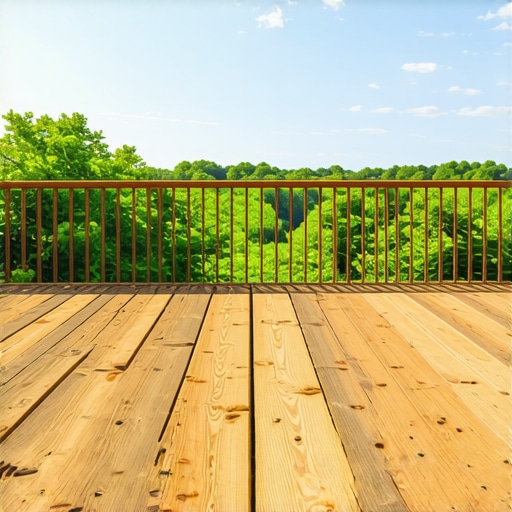
I remember the first time I built my own deck. It looked fantastic—sleek, modern, perfect for summer barbeques. But just a few years later, I was facing warped boards, squeaky stairs, and a deck that looked centuries old. It was a wake-up call that DIY projects aren’t always as simple as they seem. I realized that durability isn’t something you get by luck—it’s a result of careful planning and the right materials. If you’ve ever invested time and money into building a deck only to see it deteriorate faster than expected, you’re not alone. That experience fueled my quest to discover the true secrets behind constructing a deck with longevity—one that could withstand the test of time, weather, and heavy use. Today, I want to share what I’ve learned so you don’t have to face the same disappointment.
Why Longevity Matters in Outdoor Living
When I think back to my early deck, I realize now what went wrong. Improper material choices, neglecting proper installation techniques, and overlooking maintenance are common pitfalls that can drastically reduce a deck’s lifespan. A well-built deck isn’t just about looks—it’s an investment in your home’s outdoor appeal and your family’s safety. According to the deck industry experts, a durable deck can last fifty years or more if constructed correctly. That’s not just wishful thinking; it’s backed by real-world results.
So, why does this matter now? Because outdoor living spaces have become more than luxury—they’re essentials for many homeowners seeking a seamless extension of their home. A deck that last for decades enhances your property’s value and saves you money in the long run. But how can you ensure your investment holds up? That’s what I’ll tackle next.
Is Composite Decking Really Worth the Hype?
Early in my journey, I made a common mistake—thinking all decking materials are created equal. I opted for cheaper, traditional wood, only to realize it warped, rotted, and required constant upkeep. It was a costly lesson. Since then, I’ve switched to high-quality composite decking, which promises low maintenance and incredible longevity. But it’s worth noting that not all composite decking is equal. For a closer look at what makes certain choices superior, check out this guide on choosing the right composite decking. Remember, the secret to a fifty-year deck isn’t just about the materials—it’s about how you install, maintain, and protect it.
If this resonates with you—if you’ve faced the frustration of decking failure or simply want to build smart from the start—stay tuned. We’re about to dive into practical steps that will help your outdoor space stand the test of time, making your backyard the envy of the neighborhood for decades to come.
Select the Right Materials for Longevity
Start by choosing high-quality, weather-resistant materials like capped composite decking, which mimics the look of wood but withstands moisture and UV rays. I once selected a budget composite that warped within two years; then I switched to a premium brand, and it transformed my deck’s lifespan. Always check the product specifications and warranties. For insights, review this guide on composite decking.
Prepare a Stable Foundation
Ensure your deck is built on solid, properly excavated footings set below frost line. Use a laser level to confirm levelness. In my first attempt, I skipped this step, resulting in uneven settling. When I revisited the deck, I realized that precise footing placement prevents future wobbling and maintains structural integrity. Consider inspecting existing terrain and adding gravel or piers where needed. For detailed foundation techniques, see this foundation guide.
Secure the Frame with Quality Hardware
Use corrosion-resistant stainless-steel fasteners and adjustable joist hangers. My anecdote: I initially used galvanized nails, which rusted and loosened in moist conditions. Upgrading to stainless-steel screws not only prevented rust but also enhanced stability. Think of the frame as the skeleton of your deck—if it’s weak, everything else suffers. Always pre-drill to avoid splitting, especially in composite boards. For fastening tips, check expert fastening advice.
Install the Deck Boards Properly
Lay the boards with smart spacing to allow for expansion and contraction—about 1/4 inch apart. I once glued the boards tightly, which caused buckling in summer heat. Using hidden fasteners creates a clean look and prevents surface screws from protruding. Additionally, stagger the joints for added strength and aesthetic appeal. Remember, the direction of boards affects water runoff; install them perpendicular to slope for better drainage. For installation nuances, see design-focused tips.
Protect Your Deck with Maintenance Strategies
Apply a high-quality sealant or protective coating annually, especially before winter. Regularly sweep debris to prevent mold and rot. I made the mistake of neglecting routine cleaning, leading to mold buildup that faded the color. A simple power wash combined with sealant rejuvenated the boards and extended their life. Keep an eye out for loose fasteners or damaged boards, and repair immediately. For maintenance routines, review cleaning tips.
Design for Safety and Accessibility
Integrate sturdy stairs with non-slip treads and proper handrails—consider modern designs that blend safety with style. I once installed stairs that looked great but were too narrow, making them unsafe. Using wider treads and well-placed lighting improves safety and usability. Position stairs for easy access and visibility, especially near seating and entry points. For stair design ideas, visit this stair guide.
Even seasoned deck builders can fall prey to misconceptions about composite decking, especially when it comes to its durability and maintenance. A prevalent myth is that all composite boards are inherently resistant to scratches and stains; however, as I have observed through extensive projects, the quality varies significantly among brands. Looking into the latest trend reports, it’s clear that premium capped composites outperform generic options in both longevity and aesthetic stability. One advanced mistake I often see is neglecting proper ventilation under the deck. Without adequate airflow, trapped moisture accelerates warping and mold growth—not a problem if you know the subtle nuances of deck design. This is especially critical for coastal or humid climates where salt spray and humidity exacerbate deterioration. Experts emphasize that stainless-steel fasteners not only prevent rust but also maintain structural integrity over decades, a point many overlook. Now, for those contemplating stairs, the misconception is that installing wide, shallow treads is always safer. In reality, you must consider the rise-to-tread ratio and slip resistance. Incorporating innovative stair designs can dramatically enhance safety and aesthetic appeal. Advanced builders know that subtle adjustments in stringer spacing or adding non-slip nosings can make the difference between a risk and a feature. Deliberate planning ensures your outdoor space is both beautiful and safe, lasting for generations. Remember, a surface that looks pristine can hide underlying issues—like improper fastener installation or uneven substructure—that may only reveal themselves years later. Think of your deck as a long-term investment; understanding these hidden nuances helps protect your future enjoyment. Have you ever fallen into this trap? Let me know in the comments.Maintaining a durable and beautiful outdoor deck requires more than just quality materials; it hinges on the right tools and consistent upkeep. One of my favorite specialized tools is a **laser level**—I rely on the Bosch GLL 3-330C for precise measurements during framing and post-setting. Its accuracy prevents uneven surfaces and guarantees stability, which is critical for long-term performance. Additionally, a **cordless impact driver** like the Milwaukee M18 FUEL ensures fast, secure fastening of hardware resistant to corrosion, especially important when working with stainless-steel fasteners on coastal projects. Regular cleaning is vital, and for that, I recommend a **low-pressure power washer**—the Sun Joe SPX3000 offers adjustable psi, allowing effective dirt removal without damaging composite surfaces. Investing in quality brushes and sealants, such as a deck-specific penetrating oil, extends the life of your boards and protects against moisture infiltration, which can cause warping and rot over time.
Predicting future trends, I believe smart technology will become integral; integrating IoT sensors for moisture and structural monitoring could revolutionize maintenance routines, alerting homeowners to issues before visible damage occurs. But for now, mastering these essential tools makes an immediate difference.
**How do I maintain composite decking over time?** Routine cleaning with gentle brushes, annual sealing, and inspecting fasteners are key. Applying a repair compound like Sashco’s Spectrum Sealant to minor cracks prevents water intrusion that could compromise your deck’s integrity. Be vigilant about **ventilation beneath the deck**—poor airflow accelerates deterioration, especially in humid or saline environments, as stressed by technical studies from the NFPA. Incorporate these practices, and you’ll preserve your outdoor living space for decades.
Remember, precision tools streamline your work, and consistent maintenance ensures longevity. Try integrating a laser level into your next project—it’s an advanced tip that significantly improves structural stability and aesthetics, saving you time and money in the long run.
What No One Tells You About Building for the Long Haul
Over the years, I’ve learned that the biggest secret to a durable deck isn’t just picking the right materials—it’s understanding the nuanced interplay of installation, maintenance, and evolving outdoor conditions. My lightbulb moments include realizing that proper ventilation beneath the deck can significantly extend its lifespan, a detail I initially overlooked. Also, I discovered that investing in high-quality fasteners, like stainless steel screws, pays dividends in preventing rust and structural compromise, especially in coastal environments. Remember, a successful long-term project combines craftsmanship with strategic foresight—an insight that transformed my approach from reactive repairs to proactive preservation.