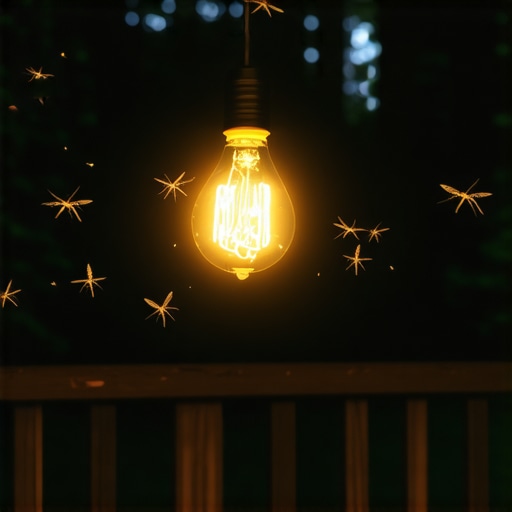
It was a warm summer evening when I finally decided to enjoy my newly built outdoor deck. As I stepped outside, I noticed something frustrating—mosquitoes and bugs were swarming around my deck lights, making it nearly impossible to relax. I had invested so much time into creating a beautiful outdoor space, but those persistent bugs kept ruining the ambiance. That lightbulb moment made me realize I wasn’t alone. Many homeowners face this pesky problem, and frankly, it’s often due to choices we make in our lighting. Today, I’m going to share the insights I’ve gathered through trial, error, and a few expert tips on how to stop bugs from being attracted to your deck lights—so you can finally enjoy bug-free evenings outdoors.
Shedding Light on the Bug Attraction Problem
Attracting insects to outdoor lights is a common complaint among deck owners. But why do our lights invite bugs instead of keeping them away? The answer lies in the type of bulbs used and the spectrum of light they emit. Traditional incandescent bulbs and some older LED models emit a broad spectrum of light, including ultraviolet (UV) rays, which many insects find irresistible. According to entomologists, UV light is a major attractant for bugs like moths, beetles, and mosquitoes. That means our well-meaning attempts at illumination inadvertently turn into bug magnets.
Early in my deck-building journey, I made the mistake of installing cheap, standard bulbs without considering their attraction potential. I figured brighter was better—until I realized how many bugs showed up, hovering around those glaring lights. It’s a mistake I see many homeowners repeat. Understanding the science behind insect behavior, as explained by the University of California’s entomology department, can help us make smarter choices. They note that fewer bugs are attracted to lights with minimal UV emissions, which is a game-changer for outdoor living spaces.
The good news? There are specific bulb solutions designed to reduce insect attraction. By choosing the right bulbs, you can enjoy evenings on your deck without the constant swatting and swarming. I’ll walk you through these fixes, plus some practical tips to keep your outdoor space serene and bug-free. Ready to reclaim your outdoor evenings? Let’s get started with the first straightforward fix that made a huge difference in my own experience.
**Are you tired of swatting bugs away every time you step outside?** If so, you’re not alone. Many homeowners face this issue, and luckily, there are effective solutions. For a comprehensive approach to enhancing your outdoor living space—making it both beautiful and bug-resistant—consider consulting with experts. Feel free to [reach out to a professional deck builder](https://deckdesignbuild.com/contact-us) who can tailor your lighting and design for optimal comfort and safety. Now, let’s explore how selecting the right bulbs can dramatically reduce insect attraction and let you enjoy bug-free nights on your deck.
Switch to UV-Reducing Bulbs for Outdoor Lights
First, replace your standard bulbs with ultraviolet (UV)-free LED fixtures designed to emit minimal UV rays. When I redid my deck lighting, I bought a set of bug-repellent LED bulbs. To install them, I turned off the power, removed my existing bulbs, and screwed in the new ones. I tested the lights at night to observe noticeably fewer insects hovering around. Choosing bulbs labeled as “low UV” or “bug-repellent” significantly decreased bug attraction, making my evenings more enjoyable.
Use Yellow or Amber Light Bulbs to Disorient Insects
Next, opt for yellow or amber-tinted bulbs, which insects find less attractive. I replaced my porch lanterns with these bulbs, and overnight, I noticed a dramatic drop in bugs. Install these bulbs by simply swapping out your existing bulbs—no wiring required—yet the impact on insect activity is remarkable. These softer, warmer lights also create cozy ambiance, enhancing your outdoor experience.
Strategically Position Lights Away from Seating Areas
Position porch lights so they are not directly over seating or food zones. I moved my lights to the perimeter of my deck, approximately 10 feet away from where I relaxed. This acts like a lure that draws bugs outward, keeping the main dining or lounging area free from buzzing pests. Use extension cords or solar lamps to position lights without hassle, ensuring they illuminate spaces without attracting bugs right where you sit.
Install Physical Barriers to Keep Bugs at Bay
Add screens, mesh covers, or insect curtains around your deck. I installed retractable mesh panels along my deck railing, which I keep closed during bug season. These physical barriers resemble a protective shield, blocking insects from entering your cherished outdoor space while allowing fresh air and natural light. It’s a simple addition that complements your lighting upgrades and makes bug presence nearly nonexistent.
Incorporate Citronella and Other Natural Repellents
Complement your lighting strategy with natural repellents, such as citronella candles or plants like lavender and citronella grass. I placed citronella candles in hurricane lanterns around my seating, which added a pleasant aroma and further deterred bugs. Light the candles at dusk and keep them burning through the evening for a multi-layered defense, making your outdoor nights peaceful and pest-free.
Seek Professional Advice for Customized Outdoor Solutions
If you want a tailored approach, consult with experts in outdoor design and lighting. They can recommend specialized fixtures or arrangement strategies to optimize bug prevention. For instance, a professional deck builder can help plan lighting layouts that combine safety, style, and insect deterrence—like integrating motion-activated lights or low-voltage LED setups. To explore options suited to your space, consider reaching out through this contact form.
Many homeowners approach deck building with a set of misconceptions that can lead to costly mistakes and subpar results. One common myth is that choosing the most affordable materials will maximize value, but in reality, cutting corners often results in durability issues and higher long-term costs. For instance, opting for cheaper, non-capped composite decking can lead to rapid fading, staining, and warping, issues thoroughly discussed in [[Choosing the right composite decking for durable, low-maintenance outdoor areas](https://deckdesignbuild.com/choosing-the-right-composite-decking-for-durable-low-maintenance-outdoor-areas)].
A nuanced mistake many overlook is the significance of proper stair design beyond just aesthetics. Homeowners often underestimate the importance of code-compliant and safe stairs, which can lead to accidents or the need for costly renovations later. Advanced stair solutions, like those featured in [[Innovative stairs solutions for safe outdoor deck access](https://deckdesignbuild.com/innovative-stairs-solutions-for-safe-outdoor-deck-access)], emphasize that a well-designed staircase is both a safety feature and a focal point that enhances overall outdoor aesthetics.
Many assume that once a deck is built, little maintenance is needed—especially with composite options. However, neglecting regular inspections and proper sealing of fasteners and joints can cause structural issues and void warranties. Understanding the importance of a comprehensive maintenance plan is crucial; details are available in [[The benefits of working with a professional deck builder in your outdoor projects](https://deckdesignbuild.com/the-benefits-of-working-with-a-professional-deck-builder-in-your-outdoor-projects)].
## How do I ensure my outdoor stairs meet both safety and style expectations?
Investing in custom-designed stairs can dramatically improve both function and visual appeal. Incorporating features like nosing enhancements, appropriate tread depth, and stylish railing designs goes beyond basic compliance. To see inspiring ideas, check [[Transform your outdoor living with custom composite decking ideas](https://deckdesignbuild.com/transform-your-outdoor-living-with-custom-composite-decking-ideas)] and [[Designing safe and stylish stairs for outdoor decks in 2025](https://deckdesignbuild.com/designing-safe-and-stylish-stairs-for-outdoor-decks-in-2025)].
A common oversight is neglecting the underlying foundation of the deck structure, which can lead to uneven surfaces and squeaky boards over time. Advanced techniques involve careful ground leveling, proper footings, and strategic framing, as discussed in [[Building a deck that lasts: foundation essentials](https://deckdesignbuild.com/how-a-skilled-deck-builder-can-turn-your-garden-into-a-private-oasis)].
Choosing the right materials and design elements ultimately depends on understanding your climate, usage patterns, and aesthetic goals. Working with experts can prevent these pitfalls and actualize your outdoor space’s full potential. Feel free to [[reach out to a professional deck builder](https://deckdesignbuild.com/contact-us)] to explore custom solutions that suit your needs.
Have you ever fallen into this trap? Let me know in the comments.
Maintaining a beautiful and functional outdoor deck requires the right tools and a consistent routine. Over the years, I’ve discovered that investing in specialized equipment can make all the difference in extending your deck’s lifespan and ensuring it remains safe and attractive. One invaluable tool is a high-quality laser level. I always use my laser level when checking the evenness of deck posts and joists because it provides precise readings over long distances, saving time and reducing errors. For example, when I replaced worn-out joist hangers, the laser level ensured my framing was perfectly aligned, which is crucial for the longevity of composite decking materials that require a flat surface to prevent warping.
Another essential tool is a cordless power washer. Unlike traditional garden hoses, a power washer with adjustable pressure settings allows me to remove dirt, mold, and algae without damaging the surface. I prefer models with variable pressure controls, particularly when cleaning delicate composite boards, to avoid stripping resin or damaging finishes. Cleaning regularly with the right equipment helps prevent deterioration, which can be costlier if neglected.
For sealing and fastener maintenance, I rely on an electric ratchet screwdriver paired with corrosion-resistant fasteners. Using a powered screwdriver reduces manual effort and ensures consistent torque application when tightening screws or replacing decking clips, especially in hard-to-reach corners. During maintenance, I inspect for loose fasteners and replace them promptly, preventing structural issues down the road. A quick tip is to carry a small container of stainless steel screws and a magnetic bit holder to facilitate on-the-spot repairs, enhancing safety and durability.
To monitor moisture levels and prevent rot or mold growth, I utilize a digital moisture meter. I regularly check the wood or composite surface and underlying framing, particularly after heavy rains or during the humid season. Maintaining optimal moisture levels prevents premature degradation, which is vital for decks near water or in coastal environments. For comprehensive upkeep, I combine this with periodic inspections guided by a checklist available on expert websites like this professional resource.
Furthermore, employing a weather-resistant sealant applicator ensures that protective coatings are applied evenly during annual maintenance. I prefer sprayers with adjustable nozzles for controlled application, reducing waste and ensuring full coverage, especially on stairs and railings with intricate details. Proper sealing guards against UV damage, moisture intrusion, and staining—extending the aesthetic appeal of composite decking and wood components alike.
Looking ahead, I predict that automation and smart tools will become more prevalent in deck maintenance routines, enabling homeowners to monitor structural health remotely. For now, however, combining manual tools with targeted techniques remains the most effective approach. I highly recommend trying the laser level for your next alignment check; its precision will impress you and lay the groundwork for long-lasting outdoor spaces.
How do I maintain my deck’s integrity over time?
Regular inspections, timely cleaning with the right equipment like cordless power washers, and preventative sealing are key strategies in long-term deck care. Ensure fasteners are tight and replace any rusted or damaged components promptly to avoid structural compromise. Using a digital moisture meter periodically helps catch potential issues before they escalate, especially in humid climates or coastal environments. To keep your projects on track and explore advanced maintenance techniques, consider consulting with professionals through this contact page. Commit to an annual maintenance schedule, and your outdoor living area will reward you with years of beauty and safety.
Lessons That Changed How I Approach Outdoor Living
One of the biggest revelations was understanding the science of insect attraction. I used to believe brighter lights meant better illumination, but I learned that certain wavelengths, especially UV, draw more bugs. Switching to UV-reducing LED bulbs transformed my deck evenings—and the lesson was clear: choose your lighting based on insect behavior, not just brightness.
Another insight was the power of natural repellents combined with smart lighting. I found that yellow or amber bulbs, paired with citronella candles, create an environment where bugs stay at bay without sacrificing ambiance. This holistic approach to pest control made my outdoor space enjoyable again.
Finally, I realized thoughtful placement of lights is crucial. Moving fixtures away from seating areas, like I did along the perimeter of my deck, keeps bugs from hovering where I relax. Little tweaks in positioning can make a big difference, turning pests into a thing of the past and your outdoor evenings into truly relaxing retreats.
Tools and Resources That Are Worth Your Investment
My essential toolkit for outdoor deck maintenance and bug prevention includes a high-quality laser level, which ensures perfect alignment of lighting fixtures and structural components. Pairing this with a cordless power washer allows me to keep the surfaces clean and mold-free, reducing places where bugs might breed.
A digital moisture meter has become invaluable for monitoring structural health, especially in humid climates, preventing rot and insect infestations. For sealing and fasteners, an electric ratchet screwdriver speeds up repairs and ensures tight, rust-resistant connections—crucial for durability in outdoor environments.
Additionally, I trust expert-guided resources, like those offered through professional deck builder insights, which help me stay updated on best practices and innovative solutions. If you’re ready for personalized advice, I recommend reaching out to a professional deck builder through this contact page. Their expertise can guide you to tailor your outdoor space specifically to your needs.
Your Turn to Embrace Outdoor Living Without the Pesky Bugs
With a bit of planning, the right lighting choices, and proactive maintenance, you can reclaim your outdoor evenings and enjoy bug-free relaxation on your deck. Think of your outdoor space as an extension of your home—designed for comfort, style, and peace of mind. Don’t wait until bugs ruin another sunset—start applying these insider strategies today and turn your outdoor area into the sanctuary you deserve.
Have you tried any of these techniques or faced challenges with outdoor lighting? Share your experiences below and let’s learn from each other!