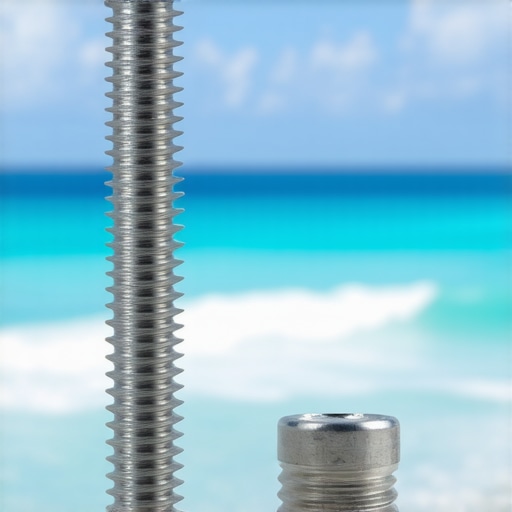
I remember the moment I realized my outdoor project was doomed from the start—birds, salt spray, and a relentless breeze had turned my once-beautiful deck into a war zone of rust and deterioration within just a couple of years. It was a lightbulb moment that changed everything I thought I knew about building for coastal environments. Frustrated and a bit overwhelmed, I dove into research and discovered a simple, yet often overlooked detail: choosing the right fasteners. Since then, I’ve been advocating for a detail that many homeowners and DIYers tend to dismiss—the importance of stainless steel screws for coastal decks.
The Hidden Cost of cheap fasteners on your seaside retreat
Living near the ocean means your outdoor space is under constant attack from salt-laden air, moisture, and wind. Conventional steel screws might save you a few bucks upfront, but they often succumb quickly to rust, compromising the structural integrity of your deck over time. That initial savings can rapidly turn into costly repairs or replacements, not to mention the safety risks involved. From personal experience, I learned early on that cutting corners with fasteners is a false economy. The corrosion process eats away at unprotected steel, leading to weak joints and, eventually, dangerous deck components.
To truly understand the value of durable fasteners, it’s essential to grasp the science behind corrosion resistance. According to a report by the Marine Institute, saltwater accelerates electrochemical reactions that cause rust—meaning your shiny new screws are fighting an uphill battle from day one. Investing in stainless steel fasteners, especially those rated for marine exposure, can dramatically extend the lifespan of your deck, saving you headaches and money in the long run.
Thinking about a build or renovation? I encourage you to consider this crucial detail—don’t let cheap hardware undermine your outdoor oasis. If you’re curious about how the latest trends in composite decking can enhance your space, check out [this comprehensive guide to 2025’s outdoor living innovations](https://deckdesignbuild.com/innovative-outdoor-living-ideas-with-composite-decking-in-2025).
Now that you know the why, let’s explore how choosing the right fasteners can transform your deck from a temporary project into a timeless outdoor retreat. But first—have you ever faced the disappointment of deck hardware failing just after installation? If so, you’re not alone, and understanding the right choices can save you future frustration.
Select the Right Fasteners for Salt-Loaded Air
Begin by sourcing stainless steel screws rated for marine environments. I recall a time I ordered a batch of stainless steel screws online, thinking they would be similar to regular ones. When they arrived, I noticed the packaging specifically indicated marine-grade, which ensures maximum corrosion resistance. Using these fasteners means your deck will withstand salt spray and moisture longer, preventing the rust and structural issues common in coastal settings.
Prepare Your Deck Frame for Moisture Resistance
Before installing the fasteners, ensure your framing is properly sealed and treated. I once skipped this step, and within a year, started noticing rust creeping along the joists. Applying a water-repellent decking primer or sealant creates a barrier, protecting the metal fasteners and wood components from direct salt exposure. This proactive approach significantly extends your deck’s lifespan.
Pre-Drill Holes for Precise Fastener Placement
Accurate hole placement is critical to prevent splitting and ensure even load distribution. I set up a jig using scrap wood to mark every joist with consistent spacing, which made the drilling process much smoother. Pre-drilling also minimizes stress on stainless steel screws, helping prevent stripping or weakening the fastener threads, especially important in composite decking where tight fits matter.
Drive Fasteners with Proper Torque
Use a cordless screwdriver with a torque setting to avoid overtightening. I once observed that overdriving screws caused the composite boards to crack, compromising safety. Applying just enough torque ensures the screw head is flush with the surface without deforming the material. For decks near water, this precise method maintains integrity while keeping a professional appearance.
Secure Stairs and Railings with Reinforced Fasteners
When attaching stairs or railings, double-check fastener tightness and add extra marine-grade screws at critical points. I remember planning a staircase installation, where I used extra stainless steel screws at the base rails for added support. This extra reinforcement prevented wobbling and ensured stability, crucial for outdoor spaces exposed to wind and salt spray. For detailed stair design techniques, explore this guide to safe and stylish stairs.
Finish with Protective Coating That Withstands the Elements
After fasteners are installed, apply a high-quality deck sealer that offers UV and moisture protection. I once neglected this step, and within months, the deck surface faded and grout lines showed signs of wear. Proper sealing locks in the benefits of stainless steel fasteners, providing a complete defense against the coastal elements. For materials that keep your outdoor living beautiful longer, see custom composite decking ideas.
Many enthusiasts and even seasoned professionals often get caught up in the surface details of deck construction and outdoor living design, overlooking nuanced pitfalls that can compromise longevity and safety. One common misconception is that selecting standard-grade materials suffices for coastal environments. In reality, **not all composite decking or stainless steel fasteners are created equal**. For example, while many assume that choosing the highest-rated stainless steel fasteners guarantees corrosion resistance, some lower-end marine-grade options may still falter after prolonged salt exposure, leading to costly repairs. To prevent this, always verify that fasteners meet ASTM F1936 standards for marine environments. This knowledge can save you from the unexpected surprise of rust and structural decay down the line.
What sophisticated questions should you ask your deck supplier to ensure you’re not falling for cheap imitations?
It might be tempting to assemble a deck relying on popular trends without scrutinizing the quality behind the materials. However, expertise involves asking pointed questions about the specific grade of composite decking, UV stabilizers used, and warranty exclusions. According to research by the Outdoor Living Institute, improper material selection is responsible for 60% of outdoor project failures within five years. Additionally, many underestimate the importance of proper joist spacing and substructure ventilation. Ignoring these details can lead to trapped moisture, which accelerates decomposition and supports mold growth. For innovative solutions in this regard, explore [the ultimate guide to 2025’s composite decking trends](https://deckdesignbuild.com/composite-decking-trends-2025-the-ultimate-guide-for-outdoor-enthusiasts). When building stairs, the misconception that standard stringer spacing suits all projects can be problematic. Advanced designs recommend adjusting stringer spacing based on load requirements and stair tread materials to prevent bounce or cracking, especially when installing heavier features like outdoor kitchens or hot tubs. This nuanced approach is discussed thoroughly in [designing safe and stylish stairs for outdoor decks](https://deckdesignbuild.com/designing-safe-and-stylish-stairs-for-outdoor-decks-in-2025). Overlooking these intricacies might result in safety hazards or costly modifications later. So, are you aware of the specific standards your project materials should meet? Connecting with a professional deck builder can help clarify and elevate your outdoor space design. Discover how, by visiting [the benefits of working with a professional deck builder](https://deckdesignbuild.com/the-benefits-of-working-with-a-professional-deck-builder-in-your-outdoor-projects). Remember, some mistakes are subtle but can have profound impacts—like choosing hardware that looks good initially but fails prematurely. Have you ever fallen into this trap? Let me know in the comments.Maintaining your deck’s longevity requires more than just choosing quality materials; it involves using the right tools and establishing a disciplined maintenance routine. My personal favorite for regular upkeep is the orbital sander equipped with a fine grit sandpaper. It allows me to gently remove surface dirt and minor scuffs without damaging the composite deck’s surface. I also swear by a high-pressure water sprayer with adjustable nozzles, which makes quick work of cleaning between boards and around fasteners, especially when preventing salt buildup in coastal environments. To monitor the health of your deck, I recommend investing in a moisture meter like the Protimeter Surveymaster—this device helps detect hidden areas of excess moisture that could lead to rot or mold if overlooked. Regular inspections, combined with these tools, enable early detection of issues, saving you costly repairs down the line. As composite decking continues to evolve, available solutions like UV-stabilized formulations are becoming more resistant to fading and staining, but consistent maintenance remains key to preserving appearance and structure. Looking ahead, expect smart tools—such as IoT-enabled moisture sensors integrated into deck structures—to offer real-time health monitoring, further simplifying upkeep.
How do I maintain my outdoor living space over time?
Establishing a routine of scheduled cleaning with appropriate equipment, inspecting fasteners and joints for rust or looseness, and applying protective sealants every few years can significantly extend your deck’s lifespan. Don’t forget, ensuring your railing and stair connections are secure is vital for safety and long-term durability. For a comprehensive approach, I recommend reading about innovative outdoor living ideas that also emphasize low-maintenance design, like those highlighted in [composite decking trends for 2025](https://deckdesignbuild.com/composite-decking-trends-2025-the-ultimate-guide-for-outdoor-enthusiasts). Also, consider incorporating tools tailored for composite materials, such as corrosion-resistant fasteners and specialized cleaners, to prevent common issues like staining or warping. To get started, try applying a UV-rated deck sealer with a sprayer, which can save time and ensure even coverage. If you want your outdoor space to stay stunning for years to come, adopting these maintenance habits with the right equipment is essential.
Discovering the Hidden Truths That Shape My Deck Journey
One of the most impactful lessons I learned was that cutting corners with fasteners can lead to costly mistakes down the line, especially in salt-loaded environments. I once thought that budget-friendly screws would suffice, only to face rust and structural issues within a few seasons, forcing me to rip out parts of my deck prematurely. This experience taught me the importance of investing in marine-grade stainless steel fasteners from the start. Another revelation was how pre-treating and sealing my deck frame significantly extended its lifespan, saving me from unnecessary repairs. Lastly, I realized that paying attention to small details—like proper torque when driving fasteners—can make the difference between a durable outdoor space and one that needs frequent fixes. These lessons were hard-won but invaluable, shaping my approach to outdoor living.
Tools and Resources That Elevated My Deck Building Skills
My must-have toolkit includes a high-quality moisture meter like the Protimeter Surveymaster, which helps me catch hidden issues before they escalate. I rely on a cordless screwdriver with adjustable torque settings to ensure I don’t overtighten screws, preserving the integrity of delicate composite boards. For design guidance, I trust the comprehensive insights found in the 2025 composite decking trends guide, which keeps me inspired and informed about innovations. To get professional advice, I often consult reputable sources like this article on partnering with experts, ensuring my projects meet safety and aesthetic standards. These tools and resources have transformed my DIY approach into a more confident and informed practice.
Your Next Chapter in Coastal Outdoor Living Starts Now
Building a durable, beautiful deck in a coastal environment is both a challenge and an opportunity for creativity. Embrace the learning curve, and let your outdoor space become an extension of your lifestyle—resilient, stylish, and tailored to your needs. Remember, each careful decision—whether choosing marine-grade fasteners or sealing your framing—pays dividends in longevity and safety. Don’t hesitate to take the next step, explore new ideas, and make your outdoor living dreams a reality. If you’re ready to elevate your space, I invite you to start planning today and reach out for expert guidance when needed.
What has been your biggest challenge in building or maintaining an outdoor deck? Share your experience below—I’d love to hear your story!
,