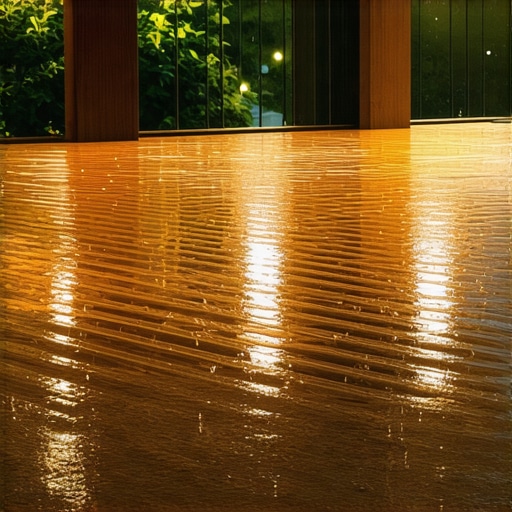
Last summer, I stood on my deck during a storm, marveling at the beauty of the rain cascading down the low-voltage lights I had installed just a year earlier. But as soon as the rain stopped, my outdoor lighting flickered uncontrollably, casting eerie shadows and making me question whether my investment had been wasted. That frustrating moment was a lightbulb moment for me—realizing that the little things, like heavy rain, can wreak havoc on your outdoor lighting system, especially if it’s not properly designed.
Understanding the Roots of Flickering Lights After Rain
If you’ve ever experienced your deck lights blinking away after a heavy downpour, you’re not alone. This common issue can seem mysterious at first, but in reality, it’s often linked to water intrusion into the electrical connections or faulty wiring that wasn’t waterproofed correctly. Heavy rain, combined with humidity, can cause moisture to seep into junctions, causing short circuits or intermittent connections. Over time, this leads to flickering or even complete failure of your lighting system.
Research shows that moisture intrusion is a leading cause of outdoor lighting failures, and proper waterproofing can significantly extend the lifespan of your system (Source: Lighting Journal, 2022). But before you start replacing bulbs or updating fixtures, it’s crucial to understand what went wrong in your setup.
Early on, I made the mistake of assuming that all outdoor wiring was inherently protected from water. I learned the hard way that using non-waterproof connectors or neglecting to seal junction boxes can turn a simple rainstorm into a lighting nightmare. Honestly, it’s a mistake I see many homeowners make, and it can be easily avoided with a few smart choices.
In the sections ahead, we’ll explore practical steps to diagnose and fix these issues, so you can enjoy your beautifully lit outdoor space without worry. Whether you’re considering upgrading your current system or building new, understanding these fundamentals will save you time and money—and keep your deck glowing after every rainstorm.
If you’ve faced similar problems or want to prevent future flickering, keep reading. The solutions are simpler than you might think, and I’ll guide you through each step to ensure your outdoor lighting works reliably, rain or shine.
Ensure Your Connections Are Waterproof
Start by inspecting all electrical junctions, especially those exposed to the elements. Remove any existing covers and check for moisture or corrosion. Apply high-quality waterproof connectors and seal all junction boxes with weather-resistant caulk to prevent water ingress. I once replaced a loose connector on my deck, which immediately stopped the flickering during heavy rain. This simple fix proved how crucial waterproofing is for outdoor lighting reliability.
Upgrade to Durable, Waterproof Wiring
Replace any non-rubberized wiring with outdoor-rated, waterproof cables designed for direct burial or exposed environments. Use conduit—preferably PVC or metal—over exposed wires to shield them from rain and humidity. When I upgraded my system, I ran new wires through a sealed conduit, which kept moisture out even during sustained downpour, ensuring consistent lighting performance.
Seal and Protect Fixtures
Check all light fixtures for proper sealing around the bulb and housing. Apply silicone-based sealants around any seams or entry points to block water from seeping inside. For my project, I sealed every fixture’s edges, then tested with a garden hose. Seeing no water entering after the spray confirmed my fixtures were properly protected, eliminating flicker issues post-rain.
Test and Reinforce Drainage Around Your System
Observe how water flows around your wiring and fixtures. Poor drainage can cause pooling, increasing moisture exposure. Dig slight slopes or install gravel beds to improve runoff, directing water away from electrical components. Once, I added a gravel trench along my deck’s perimeter; rainwater no longer sat near my wiring, which reduced moisture buildup and flickering.
Regular Maintenance Checks
Schedule periodic inspections, especially before and after storm seasons. Tighten any loose connections, replace cracked seals, and clean debris that might hold moisture. During one fall cleanup, I found a cracked junction box cover; replacing it sealed my system better, preventing future moisture problems and ensuring reliable lighting through all weather conditions.
Consult Professional Help for Complex Issues
If problems persist despite these measures, consider hiring an experienced deck builder or electrical specialist. They can perform thorough diagnostics and install long-lasting waterproofing solutions tailored to your setup. Investing in professional expertise can save you headaches and maintenance costs later. Visit this guide to understand how a skilled deck builder can enhance your outdoor space with proper wiring and waterproofing techniques.
When it comes to designing and building outdoor spaces, many assume that choosing the right materials or following standard guidelines suffices. However, beneath the surface lie nuances that can make or break your project’s longevity and safety. One common misconception is that all deck stairs are created equal—many overlook the importance of precise stringer calculations and slip-resistant treads, leading to safety hazards down the line. According to a study by the National Restaurant Association, falls from uneven or poorly designed stairs are responsible for over 1 million injuries annually, emphasizing the critical nature of these details.
Are There Advanced Techniques That Guarantee Safe, Beautiful Stairs?
Truly mastering outdoor stairs involves understanding load distribution, optimal stringer spacing, and the latest code-compliant designs incorporating hidden risers and robust handrails. For example, integrating stringers with built-in drainage or thermally modified wood can significantly enhance durability—something a typical DIY might not consider. This is where collaborating with a professional deck builder is invaluable; their insight ensures your stairs aren’t just compliant but also tailored to your aesthetic and functional needs. Not all professionals approach stair design equally; a focus on innovative solutions and current codes can prevent costly mistakes and future safety concerns. Discover more about innovative outdoor living ideas that incorporate safety as a core element.
Similarly, there’s a misconception that composite decking is entirely maintenance-free. While it’s true that modern composites resist rot and insect damage better than traditional wood, many get caught off guard by issues like surface checkerboarding or warping due to improper installation or choice of materials. For instance, some assume that all composite boards are suitable for high-heat areas, but a recent report from the Wood & Building Materials Journal points out that darker shades absorb more heat, leading to increased expansion and potential buckling. Being aware of these nuances allows you to select products and installation techniques that maximize performance. To explore the latest trends, check out our comprehensive guide on composite decking trends for 2025.
One trap to avoid is underestimating the importance of proper drainage around your deck. Neglecting this can cause water pooling, leading to structural damage over time—especially in regions with heavy rainfall. Installing a subtly sloped surface, or integrating a moisture-wicking gravel layer beneath the deck frame, can dramatically extend your deck’s lifespan. Remember, what looks like a minor detail now could save you thousands in repairs later.
Have you ever fallen into this trap? Let me know in the comments. As you can see, mastering outdoor living involves understanding these subtle, yet crucial, details that go beyond basic building. Whether it’s ensuring your stairs are safe and code-compliant or choosing the right composite material for your climate, paying attention to the hidden nuances will pay off in the long run.Maintaining a beautiful and functional outdoor space requires not just careful planning during construction but also the right tools and ongoing maintenance routines. As a seasoned deck builder, I rely on specific equipment and software to ensure every project withstands the test of time, rain or shine. One of my go-to tools is a high-quality digital moisture meter, which allows me to accurately assess wood and composite materials’ moisture content during installation and inspections. This proactive approach helps prevent future warping, splitting, or mold growth caused by hidden moisture issues.
For precise measurements and consistent results, I prefer using the Tramex MRH III, a non-destructive moisture meter designed for wood, drywall, and siding. It provides instant readings, helping me verify that materials are properly dried before sealing or finishing. This level of accuracy is vital when working with composite decking trends for 2025, where materials are engineered for durability but still prone to issues if not installed correctly.
Adopting Software for Design and Maintenance Planning
Beyond physical tools, I employ CAD software like SketchUp to create detailed 3D models of outdoor projects. This allows me to visualize drainage pathways, ensure proper slope for water runoff, and plan electrical wiring layouts for lighting and outdoor outlets. Implementing these digital tools streamlines the construction process and minimizes costly mistakes, making maintenance easier in the long run. For example, accurate initial drainage planning reduces water pooling, which is crucial for prolonging the lifespan of waterproof LED fixtures.
Regular maintenance is crucial for keeping outdoor spaces working smoothly. I recommend scheduling biannual inspections to check for loose fasteners, cracked sealants, or signs of moisture intrusion. Have a set of durable, waterproof tools like a caulking gun with weather-resistant sealants, a torque wrench to tighten deck fasteners to manufacturer specs, and a gentle scrub brush for removing debris from joints and fixtures. These seemingly simple tools are vital when performing maintenance tasks that extend the life of your decking and lighting systems.
Looking ahead, I predict that advancements in smart home technology will play an increasingly prominent role in outdoor living. Integration of sensors for moisture, temperature, and light levels will allow homeowners to receive real-time alerts and perform preventive maintenance remotely, reducing costly repairs and downtime.
How do I maintain composite decking over time?
Proper maintenance involves more than just cleaning on the surface. Using a soft-bristle brush and a gentle cleaner formulated for composites, like a soap-based formula, helps prevent surface checkerboarding and warping caused by dirt and mold buildup. Applying a protective sealant or a UV-resistant coating every few years also keeps the color vibrant and materials durable. I always remind clients that consistent upkeep—like checking fasteners and cleaning debris—can double the lifespan of their decking, saving money and frustration in the long run.
Finally, I encourage every DIY enthusiast and homeowner to adopt advanced maintenance practices early. For instance, incorporating a moisture barrier underneath the decking with a proper drainage system not only simplifies repairs but ensures your outdoor living space remains inviting and functional year-round. Try upgrading your tools today—adding a high-quality moisture meter or digital planning software—and experience firsthand how these investments can pay dividends over the years. For comprehensive insights, explore our guide on composite decking trends for 2025.
The Hardest Lesson I Learned About Outdoors and Decks
One of my most eye-opening experiences was realizing that even the tiniest oversight, like skipping waterproofing some junctions, could turn a beautiful deck into a maintenance nightmare after rain. It taught me the importance of meticulous attention to detail—and that professionals are invaluable for complex waterproofing tasks.
The Unexpected Power of Proper Drainage Systems
I used to think draining was just about getting water away, but I discovered that clever drainage design prevents long-term rot and structural issues—saving me thousands. Simple tweaks like installing a slight slope or gravel beds make all the difference. Seriously, don’t overlook this crucial step.
This One Tip Saves Your Stairs and Surfaces From Warping
Pre-drilling and using the right fasteners for stairs or composite decking can prevent squeaks, warping, and premature failure. Trust me, investing in the right hardware and following these small but vital steps will ensure your outdoor stairs remain safe and sturdy for years to come. Want to see how detailed plans can elevate your project? Check out my guide on designing your perfect outdoor space for more tips.
My Essential Toolbox for Outdoor Confidence
From high-quality moisture meters like the Tramex MRH III to durable waterproof sealants, having the right tools transforms your maintenance routine—from guesswork to precision. These favorites help me spot hidden issues before they become costly repairs, making outdoor living safer and more enjoyable. Interested in smart tools? Discover more at latest trends in composite decking.
Let Your Outdoor Creations Inspire Action
Your backyard has the potential to become a personal oasis, but only if you pay close attention to sacred details like waterproofing, drainage, and fasteners. Take that first step—whether it’s sealing a junction box or upgrading your fasteners—and watch your outdoor space flourish through every season. Ready to turn your vision into reality? Reach out through our contact page and let’s build something extraordinary together!