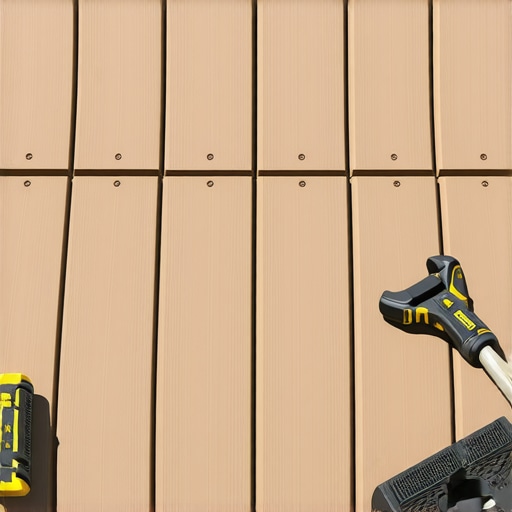
The first time I stepped onto my newly built composite deck, I thought I was dreaming—or perhaps hallucinating. One of the boards had lifted slightly, catching the light at an odd angle. It was such a frustrating moment, I almost wanted to tear the whole thing apart and start over. But I took a deep breath, realized I wasn’t alone, and decided to figure out how to fix this pesky issue once and for all.
Why Your Composite Deck Boards Keep Popping Up and What It Means for Your Outdoor Oasis
“I used to think that composite decking was completely maintenance-free,” I admit. That misconception led me down a path of overlooked details and avoidable mistakes. The harsh truth is, flashing, poor installation, or climate shifts can cause deck boards to lift, warp, or pop out, turning your peaceful backyard retreat into a tripping hazard or eyesore. If you’ve ever battled a raised board, you know how it disrupts the aesthetic and safety of your outdoor space. The good news? With a bit of knowledge and the right tools, you can stop these issues from happening—and prevent them from ruining your summer barbecues and family gatherings.
Does the Fix Really Matter? Here’s Why You Should Pay Attention
Early on, I made a critical mistake: I assumed that just choosing good-quality composite boards was enough. Turns out, installation techniques and climate considerations matter just as much—if not more. Ignoring these factors can lead to ongoing problems, even with premium decking materials. If you’re tired of battling loose boards every season, you’re in the right place. We’ll cover practical steps, backed by expert insights, that will help your deck stay smooth, safe, and beautiful for years to come. Want to learn how to troubleshoot and fix popping boards? Let’s dive in and make your outdoor living truly stress-free. For more tips on designing safe and stylish stairs that complement your deck, check out the [expert insights on outdoor stair solutions](https://deckdesignbuild.com/innovative-stairs-solutions-for-safe-outdoor-deck-access). Now, onto the reasons why your deck might be acting up and how you can address it before it gets worse.
Assess the Cause Before Picking Tools
Start by inspecting the lifted board to identify if it’s caused by improper spacing, loose fasteners, or climate-induced expansion. I once faced a warped board after a sudden cold snap—my first step was removing the fasteners and measuring the gap to check for thermal expansion. Recognizing the root cause ensures you choose the right fix, saving time and money. For a detailed understanding of deck materials and installation nuances, visit choosing the right composite decking.
Secure Loose Boards Effectively
If the problem stems from loose fasteners, use weather-resistant screws designed for composite materials. I used stainless steel screws during my project—these resist corrosion and keep the board securely in place regardless of weather shifts. When installing, drill to the correct depth, avoiding over-penetration that could damage the board. To achieve a cleaner look, consider hidden fasteners—these produce a seamless surface and are especially effective when you want a modern aesthetic. Learn more about fastener options at best fasteners for coastal decks.
Adjust for Climate Changes
Composite decking expands and contracts with temperature variations—imagine a rubber band stretching in the summer and shrinking in the winter. To accommodate this, leave the proper gap between boards, generally about 1/8 inch, to allow for movement. During install, I used a spacer tool to maintain uniform gaps, which prevented boards from catching on each other as they expanded. Proper spacing not only prevents popping but also aids drainage, preventing water from pooling and causing rot. For tips on designing decks resilient to climate, see maximizing outdoor space.
Choose the Right Fasteners and Techniques
Not all fasteners are created equal. I recommend stainless steel or corrosion-resistant hidden fasteners to keep the surface smooth and protected from rust over time. When installing, sink the fasteners just below the surface—use a countersink bit or special tool—so the boards stay flush and prevent tripping hazards. This technique is akin to how a stable foundation supports a building; it ensures the entire deck remains level and secure. To master fastener installation, review under-deck flashing techniques.
Regular Maintenance for Longevity
Even with perfect installation, weather takes its toll. Periodically, check for loose fasteners and tighten as necessary. Cleaning the deck surface from debris and moisture buildup minimizes rot and decay, keeping boards fitting snugly. I carved out an annual maintenance routine, which included inspecting every board and re-tightening fasteners, resulting in a long-lasting, popping-free deck. For more on maintaining your deck’s beauty and safety, explore deck builder insights.
While many homeowners focus on choosing nice-looking decking materials, few realize that misconceptions about stairs and outdoor decks can lead to costly mistakes. For example, a widespread myth is that all composite decking is maintenance-free; in reality, improper installation and climate considerations significantly influence longevity. Many assume that if a deck is built with premium materials, it will remain flawless for decades—yet overlooking proper framing, flashing, and spacing can cause serious problems down the line. Advanced builders know that even small details, like how fasteners are installed or how gaps are left during temperature swings, greatly impact the deck’s performance over time.
Are Modern Composite Materials Truly Low-Maintenance and Durable? An Expert’s Take
Research by industry professionals shows that high-quality composite decking can outperform traditional wood, especially when proper installation techniques are employed. However, the belief that composite decks never need attention is mistaken. Regular inspections for loose fasteners, protecting joists from moisture, and ensuring proper drainage are essentials often ignored by DIYers. Skipping these steps can lead to warping, squeaks, or popping boards, which undermines the convenience these materials promise. Embracing a proactive maintenance routine—such as resealing joints or adjusting for climate shifts—can extend your deck’s lifespan and keep it looking pristine. Learn more about the innovative trends shaping decks in 2025 and how they can benefit your outdoor space.
Advanced deck builders optimize not just the selection of composite materials but also focus on how the entire structure interacts with environmental factors. For instance, proper flashing around ledger boards and attention to joist spacing prevent water infiltration and structural decay. One overlooked nuance is the impact of temperature fluctuations, which cause composite materials to expand and contract. Leaving the right gaps during installation—about 1/8 inch—allows for this movement, reducing the risk of buckling or popping boards. Many amateurs unintentionally seal their decks too tightly, jeopardizing durability. To avoid these pitfalls, consulting expert resources or working with a professional deck builder can make all the difference; for example, check out the benefits of professional guidance.
Another critical aspect is the fastener choice. Rust-resistant screws or hidden fastener systems not only improve aesthetics but also prevent corrosion, especially in coastal or humid climates. A common mistake is to reuse nails or low-quality screws, which can loosen or rust prematurely. Skilled builders plan for these factors from the design phase, ensuring that your deck remains safe and attractive for years to come. Remember, a well-designed deck is more than just attractive—it’s a smart investment. If you’re inspired to improve your outdoor space, browse innovative stair solutions and learn how the right design elevates your backyard.Maintaining your composite decking and outdoor stairs requires more than just regular cleaning; it involves using the right tools, consistent inspection routines, and understanding how environmental factors influence long-term performance. I personally rely on a few critical tools to ensure my deck stays flawless year after year. A high-quality cordless impact driver lets me quickly tighten loose fasteners or replace damaged ones without hassle. My top pick is the Milwaukee M18 Fuel Impact Driver, valued for its power and portability, making fastener tasks seamless even on sprawling decks. For measuring gaps, especially to accommodate thermal expansion, I swear by a digital caliper like the Mitutoyo Absolute, which provides precise readings to ensure uniform spacing across your boards, preventing buckling or popping. When vacuuming or removing debris, I use a lightweight blower like the Toro PowerJet S200, which is gentle but effective at clearing dust and leaves without damaging sensitive surfaces.
How do I maintain composite decking over time?
Regular inspections are crucial—once a month, I walk the deck, checking fasteners, looking for warping, and ensuring drainage paths remain clear. To prevent issues like water infiltration that cause joist decay, I apply a moisture barrier or sealant around ledger boards and at vulnerable joints. Additionally, aligning with upcoming trends, I stay updated through resources like composite decking trends for 2025, which highlights innovative protective coatings and smart maintenance solutions. Adopting these proactive measures today can save headaches later, so I recommend trying out a digital caliper for precise spacing during your next deck touch-up. Proper tool selection empowers you to handle maintenance efficiently and keep your outdoor space inviting and safe for years to come. For larger projects or if you encounter persistent issues, consulting with a professional deck builder can be a game-changer—more on that at the benefits of professional guidance. Remember, the small investment in the right tools and routine checks pays off in a durable, stunning deck that becomes the highlight of your outdoor living experience.
The Hardest Lesson I Learned About Stairs and Deck Design
One of my biggest mistakes was rushing the installation without paying attention to climate considerations. I once built a deck and overlooked thermal expansion gaps, leading to warped boards after a cold snap. Now, I always leave proper spacing—about 1/8 inch—to accommodate temperature swings. This experience taught me that even small details can make or break your outdoor oasis.
Tool Tricks That Changed the Way I Maintain My Deck
Investing in the right tools has been a game-changer. A digital caliper helps me measure gaps precisely, ensuring consistent spacing during installation, while a cordless impact driver makes tightening fasteners quick and easy. These tools give me confidence that my outdoor living area stays safe, durable, and looking great year after year.
Choosing Quality Over Myths—What Really Matters
I used to believe all composite decking was maintenance-free, but I learned that quality materials combined with proper installation are key. Reusing low-grade fasteners or ignoring flashing details can lead to popping boards and water damage over time. Now, I prioritize high-quality, corrosion-resistant fasteners and expert guidance—saving myself from costly repairs and frustrations.
Where to Go from Here
If you’re eager to upgrade your outdoor space, start by assessing your current deck’s condition and learning about climate-friendly installation techniques. For in-depth tips, check out choosing the right composite decking. Remember, a well-built deck isn’t just about aesthetics—it’s an investment in your family’s memories, safety, and enjoyment for years to come.
Your Turn to Elevate Your Outdoor Living
Building the perfect composite deck requires insight, patience, and the right tools. Don’t let misconceptions hold you back—embrace expert advice and proactive maintenance today. Are you ready to turn your backyard into a stunning, durable retreat? Share your biggest decking challenge below, and let’s tackle it together!