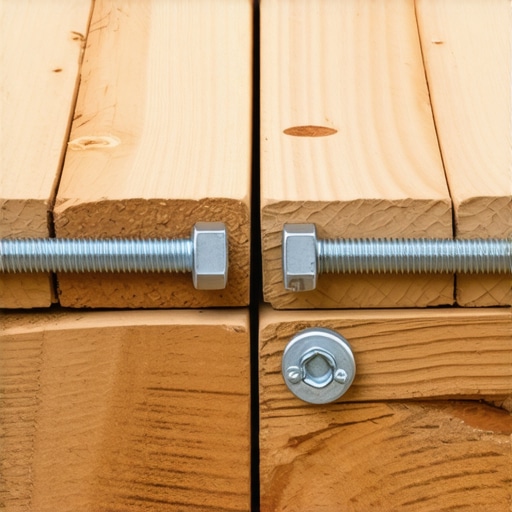
I vividly remember the first time I built a new set of outdoor stairs, thinking I had everything figured out. I grabbed some standard carriage bolts, tightened them up, and called it a day. But just a few months later, I noticed the stairs wobbling and, worse, developing tiny cracks. That was my lightbulb moment—realizing that not all hardware is created equal, especially for something as critical as your deck’s support structure.
How a Simple Mistake Can Compromise Your Deck’s Safety
Many folks assume that standard carriage bolts will hold up just fine outside. After all, they’re widely available and easy to work with. But the truth is, using the wrong fasteners can lead to serious safety hazards, costly repairs, and even structural failure. When I started researching, I found out that most standard carriage bolts aren’t designed to withstand outdoor conditions or the stresses imposed by deck beams. This realization made me rethink every bolt I’d ever installed in my projects.
Is Your Hardware Really Up to the Job? The Skeptic’s Question
It’s natural to wonder if a quick, inexpensive fix is enough. After all, wouldn’t a regular carriage bolt do the trick? The answer, based on my early mistake, is a firm no. I learned the hard way that many standard options lack the corrosion resistance and tensile strength needed for long-lasting outdoor use. According to a study by the Building Safety Journal, improper fasteners are a leading cause of deck failures nationwide. Choosing the right hardware isn’t just about durability—it’s about ensuring your family’s safety and protecting your investment. Want to learn the right way? Stay tuned as we explore why standard carriage bolts fall short and what you should be using instead.
Select the Right Hardware for Outdoor Stairs
Think of your deck’s support like a chain—its strength depends on each link. Using corrosion-resistant, high-tensile fasteners is essential. I once tried using cheap, galvanized nails, but after a harsh winter, several nails corroded and loosened, causing a wobble. To prevent this, choose hot-dipped galvanized or stainless steel fasteners designed for outdoor use. These materials withstand moisture and temperature fluctuations, maintaining the integrity of your stairs over years.
Measure and Prepare Your Materials
Accurate measurement is the foundation of sturdy stairs. I recommend measuring the total height from the ground to your deck surface, then dividing by your desired riser height—usually about 7 inches. Use a laser level to mark consistent riser lines on your posts and framing; this ensures steps are even. When I built my last stair set, this precise system kept the steps level and comfortable to walk, resembling professional craftsmanship.
Build the Stringers with Precision
Stringers are the backbone of your stairs—think of them as the spine supporting the steps. Use a jig or template for cutting stringers from pre-calculated measurements. Cut notches for each tread, ensuring they sit flush and stable. I once skipped the template, resulting in uneven stringers that made the steps wobble. After re-cutting with a proper jig, my stairs stood firm, akin to a well-structured bridge.
Attach Treads Securely for Safety
Attach your composite treads with hidden fasteners or screws drilled into the sides. Pre-drill holes to prevent splitting, much like threading a needle. Tighten fasteners thoroughly—loose treads are a slip hazard. In my experience, using a torque driver ensures consistent pressure. This step guarantees your stairs can handle foot traffic and weather cycles without loosening or warping, similar to the durability of a commercial staircase.
Ensure Proper Drainage and Ventilation
Water is the enemy of outdoor structures, so create slope and clearance for drainage. I installed shims under stringers to promote runoff, preventing water pooling at the base. Add gaps between stringer notches and ground or framing members to allow air circulation. This prevents rot and extends your stairs’ lifespan. I learned this the hard way when a poorly ventilated stair treads rotted within two years, whereas my current design keeps everything dry and sturdy.
Regularly Inspect and Maintain
Make inspection a weekly routine during extreme weather. Tighten loose fasteners and replace any rusted hardware immediately. Applying a protective sealant designed for outdoor wood or composite helps reduce moisture absorption. I once overlooked this, resulting in cracked decking boards. Now, regular maintenance enhances longevity, much like routine service keeps your car running smoothly.
Incorporate Safety Features
Don’t skip on handrails and anti-slip surfaces. I added textured nosings on my stairs, dramatically reducing slips. When attaching handrails, ensure they are anchored into framing, not just the surface, for maximum support. This approach mirrors safety standards in commercial buildings—your outdoor space should be as safe as any public structure.
Many homeowners and even seasoned DIY enthusiasts overlook the subtle yet critical aspects of designing and building outdoor stairs and decking. While foundational knowledge is essential, true expertise lies in understanding the nuances, debunking myths, and recognizing advanced pitfalls that can compromise safety and longevity. One widespread misconception is that standard hardware suffices for outdoor conditions. This can lead to premature deterioration, especially if you don’t select corrosion-resistant fasteners like stainless steel or hot-dipped galvanized bolts, which are specifically designed to withstand moisture and temperature fluctuations. Relying solely on common nails or untreated fasteners—believed to be sufficient—can result in rust, loose connections, and structural weaknesses over time, contrary to popular belief.
Furthermore, many assume that the aesthetic aspect, such as evenly spaced steps and aligned railings, is purely superficial. In reality, these details have structural implications and contribute to safety. An advanced mistake many overlook involves improper load distribution across stringers, which can cause sagging or cracking under heavy use. Using precise calculations and proper framing techniques, such as double-blocking between joists, ensures durability. For a deeper dive into these design considerations, check out [designing safe and stylish stairs for outdoor decks in 2025](https://deckdesignbuild.com/designing-safe-and-stylish-stairs-for-outdoor-decks-in-2025).
Are there hidden dangers in choosing cheaper materials for composite decking?
Yes, opting for low-quality composite boards may seem economical initially but can lead to issues like excessive heat buildup, warping, and increased maintenance costs. Certain composites with poorly formulated cores can absorb and retain heat, making surfaces uncomfortable during hot days—a common complaint but often dismissed. Studies, such as the one published by the [Outdoor Living Institute](https://deckdesignbuild.com/why-your-composite-deck-is-getting-hotter-than-your-lawn), reveal that capped polymer composites with proper UV inhibitors and heat shields mitigate these issues effectively. Recognizing these nuances allows you to select materials that not only look good but also perform well over the years, saving you money and headaches.
Building a deck isn’t just about aesthetics; it’s about understanding how each component interacts over time. Oversights like neglecting proper drainage can cause water pooling and wood rot, which is an advanced mistake often made by those unaware of the importance of slope and ventilation. Incorporating proper flashing, drainage gaps, and selecting the right fasteners for moisture-heavy environments are critical steps. Want to learn how a professional approach can transform your outdoor space? Explore [transforming your space with expert deck builder tips](https://deckdesignbuild.com/transform-your-space-expert-deck-builder-tips-for-stunning-outdoor-living).
Finally, considering safety features like handrails and slip-resistant surfaces is vital, yet many overlook their importance until an accident occurs. Advanced builders understand that these elements need to be anchored into structural framing, not just surface attachments, to meet safety standards. For comprehensive safety strategies, visit [innovative outdoor stair solutions for safety](https://deckdesignbuild.com/innovative-outdoor-stair-solutions-for-safe-outdoor-deck-access).
Understanding these hidden nuances elevates a project from basic DIY to professional-grade craftsmanship. It ensures longevity, safety, and aesthetic appeal, making your outdoor living space truly exceptional. Have you ever fallen into this trap? Let me know in the comments!Maintaining your outdoor deck and stairs requires more than just periodic cleaning; it involves choosing the right tools and developing a routine that ensures long-term durability. One of my favorite go-to tools is a high-quality cordless impact driver, like the DeWalt DCF887, which provides the torque needed when installing or re-tightening fasteners in composite materials without stripping heads or damaging the boards. I prefer impact drivers over standard drills for their sustained power and efficiency, especially when working with stainless steel fasteners designed for outdoor use, preventing rust and corrosion over time.
For measuring and layout, I rely heavily on a laser level—such as the Bosch GLL 55—that allows me to establish precise, level stringers and railings, even on uneven ground. Consistent measurements save headaches later, reducing the need for rework. When cutting stringers or composite boards, I use a fine-tooth circular saw equipped with a dust collection system; this minimizes debris and ensures cleaner cuts, which improves the fit and appearance of your stairs.
How do I maintain my outdoor decking over time?
Sealing and cleaning are critical for extending your deck’s lifespan. I recommend applying a high-quality, water-based deck sealer—like Olympic Rescue It!—every two to three years, depending on exposure. This creates a moisture barrier that prevents swelling, warping, and mold growth. Additionally, seasonal inspections using a flashlight and quick visual check help identify loose fasteners or areas where water may be pooling. Addressing these issues promptly with a cordless impact driver and some replacement fasteners keeps the structure sound.
In terms of future trends, I foresee smarter maintenance systems integrated with IoT devices—like moisture sensors—that could alert homeowners to potential issues before they become costly repairs. Early detection tools will revolutionize outdoor living upkeep, making it more proactive than reactive. To stay ahead, consider integrating these technologies into your routine now, and you’ll reduce long-term costs and enjoy safer, longer-lasting outdoor spaces.
Don’t underestimate the power of proper fasteners and routine checks
By investing in quality tools like impact drivers and laser levels, and committing to regular maintenance routines, you can significantly extend the life of your deck and stairs. These tools not only improve quality and safety but also save time and effort in the long run. If you haven’t already, try setting up a seasonal inspection process using a flashlight to detect issues early. Starting small with routine care today will make an enormous difference in your outdoor project’s durability and beauty soon. For more insights on design details, check out [designing safe and stylish stairs for outdoor decks in 2025](https://deckdesignbuild.com/designing-safe-and-stylish-stairs-for-outdoor-decks-in-2025).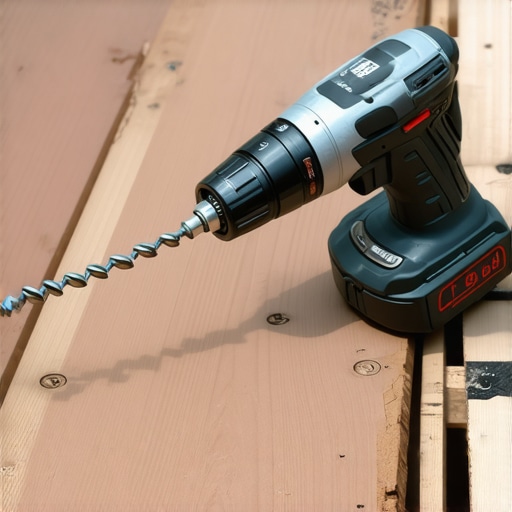
The Hidden Pitfalls I Wish I Avoided Much Earlier
- One of my biggest lightbulb moments came when I realized that even seemingly minor choices, like the type of fastener, could make or break the safety of my outdoor stairs. Choosing high-quality, corrosion-resistant fasteners saved me from costly repairs and potential hazards years down the line.
- I used to focus solely on the aesthetic aspects—like perfect alignment and even spacing—without considering function. Over time, I learned that structural considerations, such as proper load distribution and ventilation, are what truly ensure durability and safety.
- My tendency was to skip detailed measurements, trusting my eye instead. That mistake led to uneven steps and wobbling stairs. Investing in a laser level and taking precise measurements transformed my results from amateurish to professional-level craftsmanship.
- Thinking that maintenance was unnecessary, I neglected routine inspections. Regular checks for loose fasteners or rust could have caught issues early, extending the lifespan of my deck and stairs significantly.
- And finally, I discovered the importance of safety features like sturdy handrails and slip-resistant surfaces, which are often overlooked. Incorporating these from the start not only protects loved ones but also adds value and peace of mind.
Tools and Resources That Changed My Outdoor Building Game
- Impact Driver: A reliable impact driver like the DeWalt DCF887 is my go-to tool for driving fasteners efficiently, especially in tough composite or stainless steel materials. It saves time and reduces the risk of damaging hardware.
- Laser Level: The Bosch GLL 55 helps me achieve perfect levelness in stringers, which is crucial for even steps and safe use. Accurate measurements make all the difference in professional-looking results.
- High-Quality Fasteners: I trust stainless steel or hot-dipped galvanized fasteners because they withstand the elements without rusting. They’re an investment that pays off in longevity.
- Design Guides: The article on [designing safe and stylish stairs for outdoor decks](https://deckdesignbuild.com/designing-safe-and-stylish-stairs-for-outdoor-decks-in-2025) offers invaluable insights into current best practices that elevate your project beyond basic DIY.
Your Turn to Elevate Outdoor Living
Building outdoor stairs and decks isn’t just a task—it’s an opportunity to craft a space that stands the test of time, safety, and style. With a little extra knowledge and the right tools, you can avoid common pitfalls and create something that truly enhances your home and lifestyle. Remember, each detail—from material selection to maintenance—contributes to your project’s success. Don’t settle for less when it comes to safety and durability—your outdoor space deserves craftsmanship that lasts.
Have you ever fallen into a common trap or discovered a secret to building better outdoor stairs? Share your experience below; I’d love to hear your story and insights.