
Last summer, I found myself hosting a barbecue on my deck as the sun dipped below the horizon. I was excited to keep the good times going, but as the evening progressed, I realized something crucial: my deck lighting was a total mess. Glaring spots made it uncomfortable for guests to see and enjoy the space, and trying to fix it turned into a frustrating game of trial and error. That lightbulb moment hit me hard—lighting isn’t just about brightness, it’s about creating a warm, inviting ambiance without the blinding glare.
Why Proper Deck Lighting Can Make or Break Your Outdoor Fun
Imagine hosting friends on a cozy summer night, laughter floating through the air. The last thing you want is for harsh lights to ruin the mood or cause discomfort. When I tackled my own deck lighting project, I discovered that thoughtfully designed lighting enhances safety, highlights your outdoor features, and fosters an inviting atmosphere—all without straining the eyes. Proper layout ensures your space is functional for late-night gatherings while maintaining the aesthetic charm.
Many outdoor enthusiasts overlook one simple truth: the placement and type of lighting significantly influence how your deck feels after sunset. A well-planned layout prevents glare that can cause headaches or annoyance, creating a space that beckons for more after-dark entertaining. According to a study by the Illuminating Engineering Society, appropriate lighting design can increase outdoor safety and improve overall outdoor living experiences (IES, 2023). Now, I’ll share practical tips to help you design a deck lighting layout that’s both beautiful and glare-free.
Are You Making These Common Deck Lighting Mistakes?
Early in my project, I made a rookie mistake: I installed too many bright, direct lights without considering their position or intensity. The result? Glare that made it hard to enjoy the space comfortably. It’s a mistake worth avoiding. My experience taught me that understanding the principles of lighting layers—ambient, task, and accent—can prevent this and elevate your outdoor area.
If you’re wondering how to avoid the pitfalls I faced, I invite you to explore [this insightful guide](https://deckdesignbuild.com/transform-your-space-expert-deck-builder-tips-for-stunning-outdoor-living) that covers designing safe and stylish outdoor lighting. The key is balancing functionality with ambiance, ensuring your deck shines just right.
Next, we’ll dive into specific strategies for achieving a glare-free, captivating lighting setup that turns your outdoor space into the perfect entertaining spot, no matter the hour.
Identify Key Areas to Illuminate
Start by walking your deck at dusk and pinpointing areas where guests gather, pathways, and potential hazards. Picture a small gathering I hosted last summer, where I realized that the seating area and the stairs needed focused lighting to prevent accidents and create ambiance effectively. Map these zones, remembering that lighting should enhance safety without creating uncomfortable glare.
Prioritize Safety and Atmosphere
Decide which zones require bright task lighting—like stairs and walkways—versus softer ambient lighting for seating areas. During my first attempt, I installed bright floodlights that caused harsh shadows and discomfort. Instead, I learned to layer lighting with dimmable fixtures, soft LED bulbs, and shaded mounts to avoid glare while maintaining visibility.
Choose the Right Equipment
Opt for fixtures specifically designed for outdoor use, with sheathing resistant to moisture, UV, and temperature variations. For instance, I replaced generic bulbs with low-voltage LED landscape lights—these are energy-efficient and produce minimal heat, minimizing glare. Using warm white LEDs, as recommended in this guide, creates an inviting glow that doesn’t strain the eyes.
Select Light Types and Bulbs
Mix ambient, task, and accent lighting. For example, install recessed LED soffit lights for overhead illumination, path lights along the deck perimeter, and pocket lights within railings for aesthetic accentuation. When I set up my deck, I used warm-colored, dimmable LEDs to make late-night gatherings cozy without overwhelming brightness.
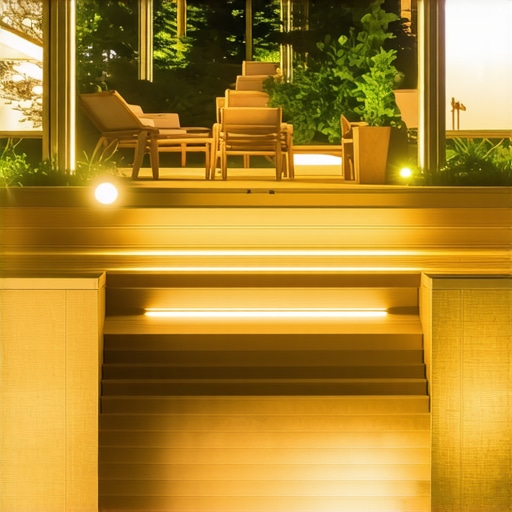
Visualize your lighting layout by sketching a simple plan, marking power sources and fixture locations. This clear visualization helps prevent over-lighting and ensures even distribution, much like I did before installing my fixtures, which kept everything balanced and glare-free.
Implement and Adjust
Start installing fixtures based on your plan, ensuring wiring is safely concealed and protected from weather. I ran low-voltage wires through protective conduits, using quick-connect connectors to streamline the process. Once installed, turn on the lights and observe for any glare or dark spots. Fine-tune by adjusting fixture angles or dimming switches—small tweaks that can dramatically improve comfort and aesthetic.
For complex layouts, consider integrating smart lighting controls or timers, allowing you to switch between modes like “entertain” or “relax” seamlessly. My experience shows that stepping back and testing different settings leads to the perfect balance of safety and mood.
Maintain and Enhance Over Time
Regularly clean fixtures and replace bulbs to prevent dirt accumulation and dimming. Check wiring periodically for corrosion or damage, especially if your deck is near saltwater, as covered in professional tips. Upgrading fixtures or adjusting the layout to seasonal changes can keep your deck welcoming and glare-free year-round.
When it comes to designing or renovating outdoor living spaces, many enthusiasts believe they’ve got the basics down—selecting the right composite decking or crafting sturdy stairs. However, in my years of experience, I’ve observed that the real pitfalls lurk in nuances that often escape casual DIYers. One common misconception is assuming that all composite decking brands are created equal; in reality, subtle differences in formulation and installation practices can dramatically impact longevity and appearance, as detailed in this comprehensive guide. Additionally, I’ve seen many fall into the trap of neglecting proper stair stringer layout, which can lead to squeaky, uneven steps that compromise safety and user experience. Properly engineered stairs, like those explained in this article, are crucial for polished outdoor spaces. A less obvious but equally damaging mistake involves choosing railings that look appealing but lack structural integrity—something I’ve corrected in countless projects by paying attention to hidden support brackets. Don’t forget, even if your deck looks perfect visually, poor flashing or improper ledger anchoring can invite water damage over time, a nuance often overlooked but well-covered in this post.
Let’s not ignore the importance of sealing and maintenance; many believe that once installed, composite decking requires no upkeep. But as shown in this guide, neglecting routine cleaning can lead to mold buildup or color fading, especially in shaded or humid environments. Moreover, advanced builders know that the choice of fastening methods—such as hidden fasteners versus face screws—can significantly affect the deck’s aesthetic and structural soundness, a topic I delve into in this analysis.
Lastly, I encourage seasoned DIYers to consider the benefits of integrating smart lighting and drainage solutions, which often go unnoticed yet greatly enhance functionality and user experience. For instance, a well-designed drainage system under your composite deck prevents standing water and prolongs the lifespan of your materials, as outlined in this resource.
Have you ever fallen into this trap? Let me know in the comments how you plan to address these nuanced pitfalls, or share your own tips for elevating outdoor living spaces without falling prey to common mistakes.Creating a beautiful, functional deck or outdoor living area is one thing; maintaining it over the long term is another challenge altogether. To keep your investment looking great and performing well, using the right tools and adopting a systematic maintenance approach is crucial. In my experience, selecting high-quality equipment tailored for outdoor structures not only simplifies upkeep but also extends the lifespan of your composite decking, stairs, and outdoor features.
One of the most versatile tools I rely on is a cordless power brush with stiff bristles. It’s perfect for cleaning deck surfaces without risking damage to the material, especially when combined with eco-friendly cleaning solutions. I personally prefer models with adjustable speeds and ergonomic designs—these features make routine cleaning less tiresome and more effective. When it comes to protecting your surface, a high-quality sealant applicator, like a pump sprayer or foam brush, ensures even coverage without wasted product.
Investing in a digital moisture meter has been a game-changer in diagnosing potential issues before they escalate. Checking for excess moisture in your deck’s substrate or underlying framing helps prevent rot and structural degradation. Regular inspections with this tool allow for early detection of problems, saving costs and headaches down the line.
For ongoing upkeep, a leaf blower equipped with a wide-mouth nozzle is invaluable. Clearing debris from between deck boards and around stairs keeps water runoff flowing properly, which is especially important for composite materials that can retain moisture. Additionally, for deep cleaning, I recommend foam or low-pressure washers set to gentle settings, avoiding damage while removing dirt and mildew.
What about software? Managing your maintenance schedule with simple digital apps can be surprisingly effective. I use project management tools to set reminders for annual inspections, cleaning schedules, and paint or sealant reapplications. Staying organized ensures no aspect of your outdoor living space falls by the wayside.
Looking ahead, advancements in automated sensors and smart maintenance devices may soon revolutionize outdoor upkeep by providing real-time monitoring and alerts. Imagine a sensor that detects moisture buildup or movement in your deck’s support structure and notifies you immediately—this proactive approach minimizes damage and maximizes enjoyment.
How do I keep my outdoor features working well over time?
Regular maintenance is key. Routinely inspecting for signs of wear or damage, cleaning surfaces thoroughly, and applying protective treatments when needed all contribute to a durable, beautiful space. For example, if you notice moss or mold developing, addressing it promptly with a gentle scrub and eco-friendly cleaner prevents it from spreading and causing long-term harm. Remember, a well-maintained outdoor area not only looks inviting but also ensures safety and longevity—saving you money and effort in the long run.
Be proactive—try integrating a moisture meter into your annual checkup routine or upgrading to an ergonomic power brush for easier cleaning. These tools make maintenance more manageable and effective, guarding your outdoor oasis against common issues. If you’re interested in advanced tips for preserving your deck and stairs, check out [this guide](https://deckdesignbuild.com/creating-seamless-transitions-stairs-as-key-elements-in-outdoor-living) and consider contacting a professional for tailored advice. Good maintenance starts with the right tools, so invest in quality equipment today to enjoy your outdoor living space for years to come.
What I Didn’t Expect About Making Decks Shine Brightly
One of the most eye-opening lessons I learned was that brighter isn’t always better; sometimes, subtle, layered lighting creates a magical transformation that merely hints rather than shouts. I once thought that installing powerful spotlights would make my deck safer and cooler, but I soon realized that this approach caused harsh glares and discomfort, turning my relaxing evenings into squinting contests. The real trick was understanding that less is more—using warm, dimmable lighting to enhance ambiance without sacrificing safety. Another insight was that fixture positioning matters more than wattage; a well-placed, shaded light can prevent glare while highlighting your space’s best features. My biggest revelation? That proper layout, combined with choice fixtures, can be the difference between a functional area and an inviting outdoor retreat.