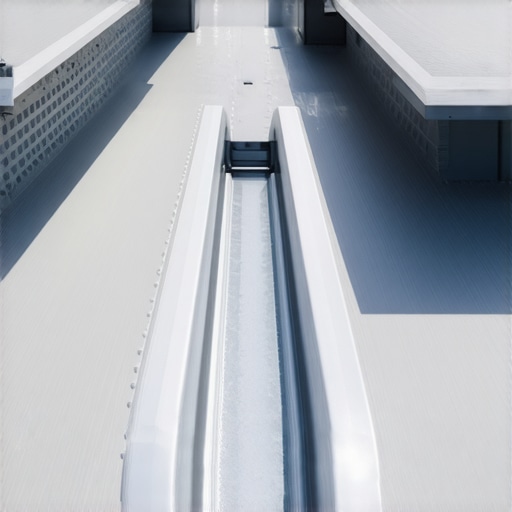
It was a muggy Saturday afternoon when I finally faced the annoyance that had been lurking under my deck for years—standing water, mud, and a relentless damp smell that made my backyard unusable after a rain. I remember thinking, “There has to be a better way,” as I watched water pool beneath my new composite decking, turning my outdoor space into an uninviting swamp. Realizing I wasn’t alone in this struggle, I decided to dive deep into the world of under-deck drainage solutions, eager to find a system that would keep my area dry and functional.
Why a Dry Basement Isn’t Just About Avoiding Water
Imagine trying to enjoy a summer barbecue or set up a cozy outdoor lounge, only to be thwarted by puddles and muddy footprints. That’s exactly what I faced—my beautiful deck transforming into a soggy mess every time it rained. According to waterproofing experts, proper drainage under your deck isn’t just about preventing inconvenience; it’s about protecting the very foundation of your home. Moisture buildup can lead to wood rot, mold growth, and even structural damage—costly repairs no homeowner wants.
For me, one big mistake early on was neglecting adequate drainage planning during the deck installation. I assumed that simply sloping the deck slightly away from the house would suffice—that was a rookie error I paid dearly for later. Incorporating a well-designed under-deck drainage system not only keeps the space below dry but also extends the lifespan of your deck components, preserves your yard, and creates a versatile space you can enjoy year-round.
Are you tired of dealing with puddles and wet storage areas beneath your deck? If so, you’re not alone, and there’s a solution—one I’ll guide you through in the following sections.
Prepare Your Deck Frame for Drainage Solutions
Start by inspecting your existing deck structure, ensuring that all joists are level and securely attached. Use a level to check the deck surface, and tighten or replace any loose or damaged components. Think of your deck like a boat hull; it needs to be sound before you can add the drainage system. During my own renovation, I discovered some soft spots in the joists, which I promptly replaced to prevent future sagging or water pooling.
Design the Slope for Perfect Water Runoff
Water naturally flows downhill, so your deck must be sloped away from the house. Aim for a slope of about 1/4 inch per foot. Use string lines and a level to establish a consistent gradient across the deck surface. I once used a piece of scrap lumber as a quick level to visualize the slope — a simple trick that prevented me from ending up with puddles and ensured water would drain correctly.
Install Under-Deck Drainage Components
Lay the Drainage Track or Panels
Attach specialized corrugated drainage panels or track systems beneath the joists. These components channel the water to designated outlets. Secure them snugly to prevent movement, and avoid over-tightening to maintain flexibility. When I installed my system, I used clips to hold the panels in place, which kept everything aligned during heavy rains.
Connect the Drainage Outlet
Position a downspout or a flexible pipe at the lowest point of your drainage system. Secure it firmly, ensuring that water flows away from the foundation. Consider extending piping to direct water to a garden bed or drain area, avoiding pooling near your house’s foundation. I routed my pipe toward a rain garden, which doubled as a decorative feature and ecosystem benefit.
Seal and Finish the System for Longevity
Apply waterproof membrane or sealant along the edges where the drainage panels meet the decking surface. This prevents debris ingress and prolongs system life. Use weather-resistant fasteners to secure all components, resisting rust and corrosion over time. After completing my setup, I found that sealing the seams kept leaves and dirt out, reducing maintenance and ensuring efficient drainage over the years.
Integrate the System with Your Stairs and Railings
If your deck features stairs, ensure the drainage extends smoothly across the transition points. Check out these tips on seamless stair integration for a professional finish. Similarly, work with a skilled deck builder to ensure your stair railings and steps are properly anchored and aligned with the drainage flow, preventing water pooling on stair treads.
Test Your Installation During a Rains storm
Once everything is in place, simulate rain conditions by pouring water across your deck surface. Observe how water flows into the drainage system. Make adjustments if you notice pooling or slow runoff. This step was critical in my project; after a few adjustments, I saw puddles vanish, transforming my deck into a truly dry outdoor oasis.
Considering future upgrades? Explore advanced stairs and railing designs to enhance your deck’s functionality and aesthetic appeal.
Many homeowners assume that simply installing a composite deck automatically solves all outdoor living challenges, but the reality is far more nuanced. One widespread myth is that composite decking requires no maintenance—while it’s lower maintenance than traditional wood, neglecting proper cleaning or sealing can lead to discoloration and warping over time. Additionally, many believe that choosing the cheapest materials guarantees savings; in truth, opting for premium composites or professional installation often results in long-term durability and less hassle. An advanced mistake I’ve seen is overlooking the importance of precise framing—poorly aligned joists and inadequate support can cause bounce and structural issues, especially in larger decks. To ensure your outdoor space remains safe and enjoyable, consider consulting a skilled deck builder who knows how to navigate these complexities. For example, proper stair design not only enhances safety but also integrates seamlessly into the overall aesthetic; learn how to craft stairs that are both stylish and functional by exploring these tips on stair design. As studies show, a well-engineered deck can last decades, provided you pay attention to detail—something amateur installations often neglect. Don’t fall into the trap of thinking that all decks and stairs are the same; the difference lies in the craftsmanship and understanding of hidden nuances. Ready to elevate your outdoor living? Connect with experts or explore how a professional can transform your space. Have you ever fallen into this trap? Let me know in the comments.Maintaining your outdoor deck, especially one built with composite materials, requires not just the right tools but also a proactive approach. Over the years, I’ve found that investing in high-quality equipment significantly reduces wear and tear, ensuring your deck remains both beautiful and functional.
Choosing the Right Power Tools for Deck Care
cordless drills with adjustable torque settings are invaluable when replacing or tightening fasteners on composite decking. A high-quality oscillating tool is perfect for cleaning out debris from tight corners or disinfecting the surface. personally, I swear by my cordless impact driver—its power makes quick work of replacing stubborn screws or securing railings, saving me hours during routine maintenance.
Specialized Cleaning Equipment Makes a Difference
To keep composite decking looking brand new, I recommend a soft-bristle brush attachment for your power washer. Avoid high-pressure settings to prevent damaging the surface. I also use a deck-specific cleaner that neutralizes stains and prevents mold growth. Regular cleaning with these tools, combined with a gentle scrub, extends the lifespan of your deck and keeps it safe for family gatherings.
Long-Term Results Come from Routine Checks
Inspecting your deck at least twice annually for loose fasteners, splintered boards, or signs of rot is crucial. Using a digital moisture meter helps detect hidden moisture, preventing mold or decay. For stairs, ensure the handrails are secure—this simple step can prevent accidents and costly repairs down the line. Remember, catching problems early simplifies repairs and preserves your deck’s structural integrity.
Scaling Your Maintenance Strategy for Bigger Projects
As your outdoor space grows, consider investing in a deck scanner or moisture analysis tool—these devices help identify weak spots beneath the surface before they become visible issues. For one large project, I utilized a thermal imaging camera to detect moisture ingress through the composite boards, which proved invaluable.
Looking ahead, the trend points toward smart maintenance solutions—automated monitoring systems that track moisture levels and send alerts to your smartphone. Embracing these innovations will make upkeep more manageable and less time-consuming.
How do I keep my deck working over time?
One of the most effective ways I’ve found is scheduling regular deep cleaning sessions combined with tightening hardware and replacing worn-out components immediately. Additionally, applying a high-performance sealant designed for composite decking annually can help resist dirt, water damage, and UV fading. For stairs, ensuring the treads are slip-resistant and in good condition is key to safety and longevity. To enhance aesthetics and durability, consider exploring seamless stair transitions that are both stylish and weather-resistant.
Don’t forget to periodically review your maintenance plan and upgrade your tools. I recommend trying out a cordless impact driver with a brushless motor for a seamless overhaul of your fasteners—this investment pays off over time by making repairs faster and easier. For comprehensive care tips and professional insights, connect with experts or learn more about working with professional deck builders. Keeping your deck working smoothly is an ongoing process, but with the right tools and routines, it will stand the test of time.
What I Wish I Knew About Creating a Lasting Outdoor Retreat
Over time, I realized that every mistake on my deck taught me a valuable lesson—don’t let poor planning or shortcuts undermine your outdoor paradise. Proper drainage isn’t just about fixing puddles; it’s about safeguarding your investment and ensuring your deck remains a beautiful, functional space for years to come. Take the time to double-check your framing and slope, because rushing these steps can lead to persistent water issues that ruin your enjoyment. Investing in quality components and sealing seams properly might seem trivial, but these details make all the difference in resisting the elements and minimizing maintenance headaches.
So, where do I go from here?
If you’re serious about elevating your outdoor living game, consider exploring seamless stair integration tips or connecting with a professional deck builder for tailored advice. Staying proactive with routine inspections and adopting smart maintenance tools ensures your deck’s longevity and safety. Remember, building a resilient, dry deck space is an ongoing process—embrace each step as an opportunity to make your outdoor area truly exceptional.
Your Turn to Take Action
Have you encountered unexpected water pooling under your deck or struggled with drainage issues? Share your experiences below—your story might inspire someone else’s outdoor transformation journey!