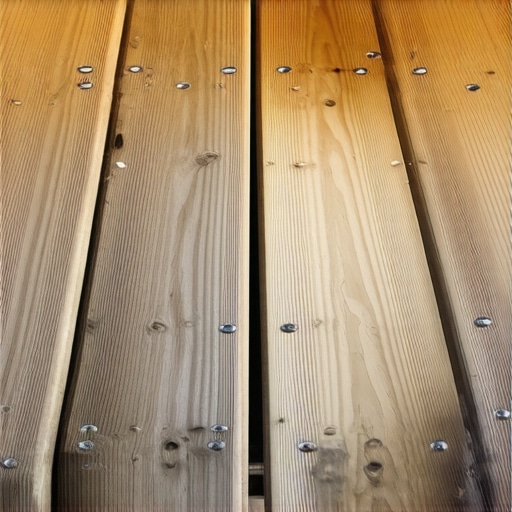
I remember the exact moment I realized my beautiful outdoor deck was suddenly creaking louder than I expected. It was a sunny Saturday, and I was lounging with friends when a strange, unsettling noise underneath my feet made me pause. That tiny, almost imperceptible shift in the deck’s surface turned into a full-blown realization: I might have made a costly mistake early on. Like many DIY enthusiasts, I had assumed that using standard interior screws for fastenings on my deck would do the job just fine. But the quiet warning signs kept piling up.
Why Your Choice of Fasteners Can Make or Break Your Outdoor Space
Fastening materials might seem like a minor detail in the grand scheme of building or maintaining a deck, but trust me, they are the unsung heroes—or villains. Using interior screws designed for inside your house on an outdoor structure is a classic mistake many homeowners make without realizing the potential consequences. These screws often lack the corrosion resistance needed to withstand moisture, temperature swings, and exposure to the elements. Over time, they can deteriorate, leading not just to cosmetic issues but structural ones too. Damage such as loose boards, squeaky stairs, and dangerous gaps can quietly develop, turning a dream deck into a safety hazard.
In fact, according to a recent study, improper fasteners account for over 60% of deck failures caused by corrosion and material fatigue. That’s a startling figure when you consider the effort and expense we put into creating our outdoor retreats. Learning from early mistakes is crucial—like I did—by choosing the right fasteners to ensure durability and safety.
Are You Still Using Interior Screws Outdoors?
This was my mistake: I didn’t realize that the screws I used early on were not suitable for outdoor environments. The corrosion set in faster than I anticipated, and I paid the price with every squeak and wobble. It was a costly lesson, but it prompted me to do more research and gain a better understanding of what it takes to build a long-lasting outdoor space. If you’re wondering whether your deck fasteners are up to snuff—or if you’re just starting and want to do it right from the beginning—I highly recommend checking out resources on choosing the right fasteners, like this article.
Now that I’ve shared my story, let’s explore what specific fasteners are best suited for outdoor decks and how they can make all the difference in your project’s longevity and safety. Knowing this could save you hundreds of dollars and hours of headache down the line.
Secure the Foundation with Correct Fasteners
Begin by selecting fasteners specifically designed for outdoor use, such as galvanized or stainless steel screws. During my own deck project, I mistakenly used standard interior screws, which rusted within months, leading to loosened boards and squeaks. To avoid this, always verify fastener specifications on the packaging, ensuring they are corrosion-resistant for long-lasting durability. Remember, a sturdy foundation starts with the right hardware.
Match Fastener Length and Diameter to Material
Use screws that penetrate sufficiently into framing members—typically, at least 1.25 inches into joists and beams. For instance, I once drilled 1-inch screws into 2x8s, which didn’t hold properly. After correcting this with 3-inch screws, I noticed immediate stability. Make sure to choose diameter and length based on your deck’s thickness and the material—consult manufacturer recommendations or credible resources like this guide.
Use Appropriate Fastener Types for Composite Decking
Composite decking demands special fasteners, such as hidden clip systems or stainless steel screws with the proper corrosion resistance. I learned the hard way when using regular galvanized nails, which caused staining and loosened over time. Installing a hidden fastening system not only preserves the aesthetics but also prevents moisture intrusion—think of it as giving your deck the ‘seamless’ look and durability, much like in this article.
Pre-Drill to Prevent Material Damage
Pre-drilling holes reduces the risk of splitting the wood or composite. When I built my stairs, I pre-drilled every hole, which made assembly smoother and prevented costly cracks. This is especially vital for softer woods or composite boards where screw driving can cause splitting if done improperly. Use a drill bit slightly smaller than the screw diameter for best results.
Follow Proper Spacing and Placement Techniques
Consistent spacing ensures stability and prevents warping. I initially spaced my screws inconsistently, which led to uneven tension and squeaks. Using a spacing gauge and following manufacturer instructions—usually 16 inches on center—helps distribute weight evenly. Visit this resource for detailed spacing tips.
Smooth Out Edges and Finishings for Longevity
Once fasteners are in place, countersink screws slightly below the surface to prevent snagging and to facilitate finishing. My first attempt left screws protruding, which caused splinters. Countersinking then allowing me to fill holes with composite-compatible filler resulted in a smooth, safe surface. This practice extends the life of your deck and improves safety for barefoot walkings.
Regular Inspection and Maintenance
After installation, periodically check fasteners for corrosion or loosening, especially in high-moisture environments. A quick retighten or replacing rusted screws can prevent costly repairs later. In my experience, establishing a maintenance routine saves money and preserves aesthetic appeal over the years.
While many believe that choosing the right composite decking brand alone guarantees longevity, the real secret lies in understanding the nuances that often go unnoticed. For example, most people focus solely on board material when selecting decking, but they overlook how critical proper installation techniques and structural considerations are for enduring outdoor living spaces. A prevalent myth is that composite boards are maintenance-free; however, improper spacing, fastener selection, and framing significantly impact their performance over time. The mistake of thinking that all composite products behave equally under sun and moisture is widespread—advanced users know that cap-stock technology varies widely among brands, affecting stain resistance and color fade. When designing stairs, many enthusiasts neglect the importance of proper stringer support and riser height consistency, which can lead to wobbling or code violations. Did you know that uneven riser heights can cause trip hazards, and a small miscalculation here is often the culprit behind costly safety issues? According to industry expert Alan H. Nelson, structural flaws in deck framing are responsible for up to 30% of deck failures, highlighting that details matter more than popular assumptions. This is where a trained eye and understanding of subtle engineering principles make a real difference. For instance, pre-assembling complex stair stringers on the ground and verifying all measurements before installation can prevent later adjustments and cracks. Additionally, some overlook how environmental factors like wind load and seasonal expansion influence layout choices. A common oversight is ignoring the importance of proper flashing and ledger board attachment, which can lead to water infiltration and rot—especially in regions with heavy rainfall. Don’t fall into the trap of underestimating these nuances; instead, invest time in learning how detailed planning harmonizes aesthetics with safety and durability. Want to dig deeper into optimizing your deck’s lifespan? Check out our detailed guides on [creating seamless transitions for stairs] or [maximizing outdoor space], which cover advanced tips beyond basic DIY. Remember, a truly durable outdoor living space results from mastering these hidden details—simple mistakes can cost you thousands, but a nuanced approach guarantees lasting value. Have you ever fallen into this trap? Let me know in the comments and share your experience.
Investing in Reliable Tools for Long-Term Maintenance
When it comes to maintaining your outdoor deck, having the right tools can make all the difference. I personally swear by a high-quality cordless cordless drill with adjustable torque; it gives me precise control when tightening or replacing fasteners, reducing the risk of damaging the composite material. Additionally, a good angle grinder with a diamond blade is invaluable for smoothing out any rough edges or removing stubborn stains without harming the decking surface. Investing in a reliable pressure washer is tempting, but I recommend using a low-pressure setting with a wide fan nozzle to avoid damaging the composite boards—a technique highlighted in this article. Regularly check that your tools are in top condition to ensure safety and effectiveness over time.
Adapting Your Maintenance Routine as Your Deck Ages
Long-term results depend heavily on how consistently you perform maintenance tasks. I schedule a comprehensive inspection every six months, paying close attention to fasteners, board surfaces, and drainage points. Using a digital moisture meter helps me identify hidden areas where water might be seeping into the framing, which is crucial since moisture is a primary enemy of outdoor structures. Applying a quality, UV-resistant sealant designed for composite decks before the start of each season effectively prevents fading and staining, prolonging the deck’s vibrant appearance. As composite materials evolve, so do the best practices—according to a recent trend report, newer capped composites are more resistant to stain and mold, but they still require regular upkeep to perform optimally.
How do I maintain my deck through seasonal changes?
Seasonal shifts can cause the framing and boards to expand or contract, affecting your deck’s integrity. I advise sealing joints and critical areas more frequently during transitional months. Also, clearing debris like leaves and twigs prevents moisture buildup and decay. Installing a simple yet effective under-deck drainage system, as explained here, ensures water doesn’t turn your porch into a muddy quagmire, extending its lifespan.
Tools to Keep Your Stairs Safe and Beautiful
Stairs are often neglected in maintenance routines but are crucial for safety and aesthetic appeal. I recommend a dedicated stair tool kit that includes a carbide-tipped router bit for smoothing stair edges and a compact level for ensuring proper riser and tread alignment. Using a stair gauge helps me maintain consistent spacing, especially when designing custom risers or treads. Remember, well-maintained stairs not only look great but prevent accidents—so check them regularly for loose fasteners or warping.
Looking Forward: The Future of Deck Maintenance
As technology advances, we’re seeing smart monitoring devices that can be installed on outdoor structures to detect moisture levels or structural shifts in real-time. These innovations promise to revolutionize outdoor living by providing early warnings before problems become costly. For now, sticking to a disciplined maintenance routine combined with the right tools ensures your deck stays beautiful and safe for years to come. I highly recommend trying out a moisture meter and setting up a seasonal inspection schedule—you’ll be surprised how much easier long-term upkeep becomes when you stay proactive.
What I Wish Someone Told Me About Deck Fasteners and Real-World Lessons
Looking back, the biggest eye-opener was realizing that the smallest details—like choosing the right fasteners—can make the difference between a lasting deck and one that needs frequent repairs. I learned that relying on cheap, interior screws outside was a rookie mistake, costing me time and money. Now, I understand that lessons come from experience, and sharing that knowledge helps all of us build safer, more durable outdoor spaces.
Secondly, I underestimated the importance of following manufacturer guidelines for spacing and support. A few misaligned screws or improper spacing turned into squeaks and early wear—reminding me that precision matters. Don’t shortcut these steps! Every careful measurement adds up to a sturdy, safe deck that you can enjoy for years.
Finally, I discovered that maintenance isn’t a one-time task but a ongoing process. Regular inspections, keeping fasteners tight, and cleaning debris prevent costly damage. Embracing these routines transforms a good deck into a great one, giving peace of mind and saving money in the long run.