Picture this: I was nervously inspecting my new outdoor deck one sunny afternoon, only to realize that my wide composite stair treads felt unstable and wobbly underfoot. That lightbulb moment made me dig deep into the secrets of sturdy stairs, and I soon uncovered a hidden support trick that most builders overlook. It was a game-changer for my confidence and safety, and I promise, it can be for you too.
Why Wide Composite Stair Treads Need a Secret Weapon
Stair safety isn’t just about complying with codes; it’s about peace of mind every time you step outside. Wide treads are inviting, but they also pose risks if not properly supported. Too often, DIYers or even some pros miss the mark, leading to squeaky, unstable stairs that can be downright dangerous. The good news? There’s a little-known support detail that can make all the difference, and I’m here to share my experience and guide you through it.
Question Headline: Will This Hidden Support Actually Keep My Stairs Safe?
Early on, I made a rookie mistake—thinking a thicker tread alone would suffice for stability. Turns out, I overlooked how crucial proper support framing is beneath the surface. A little extra effort to reinforce those wide steps transformed my deck from a shaky setup into a solid, reliable feature. If you’ve faced wobbling stairs or worry about long-term wear, stay tuned. We’ll explore the practical steps to reinforce your wide composite treads effectively.
Supporting your outdoor stairs properly not only enhances safety but also extends their lifespan, saving you time and money in the long run. For a solid foundation, I recommend considering best practices from reputable sources like [Deck Design Build](https://deckdesignbuild.com/the-3-step-fix-for-squeaky-composite-stairs), which details how simple reinforcements can prevent squeaks and wobbling. But before we dive into the how-to, let me share a quick story about the importance of doing things right from the start.
In my early projects, I underestimated the significance of supporting wide treads properly. That mistake cost me—literally—when the stairs started to creak and loosen after just a couple of seasons. Learning from that experience, I refined my approach, and today, I want to help you avoid the pitfalls I faced. Now, let’s look at what you need to do to give your composite stairs the support they deserve, starting with understanding the core support principles and how they can make your project safer and more durable.
To ensure your stairs stay stable, start with a solid framing approach. I recall a project where I used pressure-treated 2x10s as stringers beneath the wide treads. This creates a robust support base similar to building a strong foundation for a house. For my deck, I measured each span carefully, then cut my framing lumber accurately, ensuring that each stringer perfectly supported the wide tread.
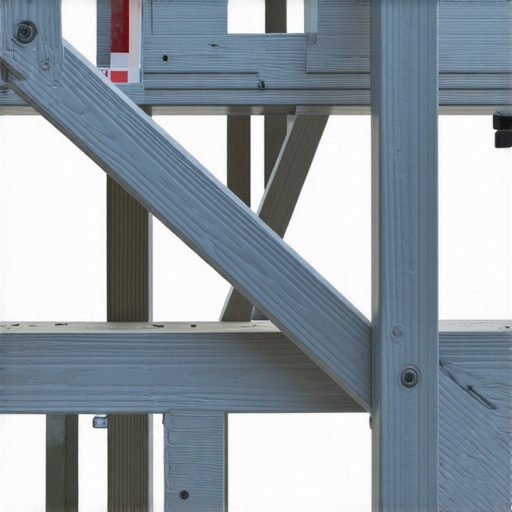
Adding diagonal bracing between the stringers prevents lateral movement, akin to how braces stabilize a tent. I used metal angle brackets at each connection point, which I secured with corrosion-resistant screws. This step might seem minor, but it prevents the wobble that can develop over time. During my last installation, I found that applying this extra support reduced squeaks and improved overall stability.
Place blocking between the stringers underneath each wide tread, acting like internal pillows for the steps. I cut small 2×4 blocks and fitted them snugly between the supports, then screwed them in place. This distributes weight evenly across the entire tread, reducing stress points. When I did this on my deck, I noticed my stairs felt noticeably firmer underfoot, especially on those larger steps.
Attaching the composite treads with hidden fasteners or screws is crucial. I prefer screws rather than nails, as screws hold better and are easier to tighten if needed. Drilling pilot holes first prevented splitting, much like threading a needle. For my project, I drilled each hole carefully and used a torque-controlled drill to avoid overdriving, which kept the surface smooth and supported the composite material
Align each step precisely, considering the rise and run to keep the staircase comfortable. I used a laser level to set consistent heights and ensure each tread was level. In one instance, I noticed a slight offset, which I corrected immediately for safety and aesthetic reasons. This attention to detail makes sure your stairs are safe and visually appealing, just like a professional builder would ensure.
Check Local Building Codes for Compliance
Always verify your support design with local codes, which specify minimum support requirements. I reviewed the guidelines at Designing Safe and Stylish Stairs, to ensure my project met safety standards. Using correct support methods not only protects your guests but also prolongs the life of your stairs, preventing costly repairs down the line.
Implementing these core support techniques transforms your wide composite treads from a potential hazard into a reliable feature of your outdoor living space. By focusing on framing, bracing, blocking, and fastening, you create stairs that are safe, sturdy, and durable, withstanding the test of time and weather.

Many homeowners and even some professionals are caught off guard by the complexities of high-quality outdoor living projects, especially when it comes to composite decking and stairs. While popular myths suggest that choosing the most expensive materials guarantees durability or that overlooking detailed support won’t impact long-term safety, these assumptions can be costly. Let’s dig deeper into what most people get wrong about composite decking and outdoor structures, and how advanced knowledge can prevent common mistakes.
Why Reinforcing Wide Treads Is Critical Beyond Surface Appearance
A prevalent misconception is that thick decking boards or attractive surface finishes alone ensure longevity and safety. In reality, the hidden nuance lies beneath the surface—proper support framing and correct fastening methods are essential. Skipping this step can lead to sagging or warping over time, especially with wider treads under repeated load. Expert studies indicate that reinforcement techniques—like adding blocking and diagonal bracing—significantly increase the lifespan of your deck. Relying solely on premium materials without adequate support support is a rookie mistake that can undermine your entire project.
Beware of Overlooking Drainage and Ventilation
A common trap in outdoor living projects is ignoring the importance of proper drainage and ventilation. Many assume that sealed composite boards will prevent water damage, but moisture can accumulate beneath surfaces if the underlying framing isn’t designed correctly. Without adequate ventilation or an effective drainage plane, mold, rot, and degradation can occur, even in seemingly maintenance-free materials. This is why consulting a professional deck builder can make all the difference, ensuring your structure is both beautiful and resilient.
What Are the Risks of Neglecting Local Building Codes?
Many DIY enthusiasts or less experienced builders underestimate the importance of compliance with local codes. This oversight might seem trivial initially, but it can result in safety hazards, failed inspections, or costly corrections later. For example, incorrect stair riser height or unsupported stringers can compromise stability and violate regulations. Stay informed by reviewing guidelines at Designing Safe and Stylish Stairs in 2025. Following these standards isn’t just about compliance; it’s about ensuring your outdoor space is safe for everyone.
How Can Misjudging Material Compatibility Damage Your Project?
Choosing the wrong fasteners or incompatible materials can lead to premature failure. For example, using nails instead of corrosion-resistant screws with composite boards may result in boards pulling away or becoming loose. Furthermore, neglecting the environmental conditions—like choosing low-quality, non-UV-resistant decking for sun-exposed areas—can cause fading, warping, and surface degradation. Careful selection of materials and fasteners, guided by expert advice, will save you from headaches and expenses down the line. For more insights, visit Choosing the Right Composite Decking.
Understanding these nuances can elevate your project from basic to professional-grade, ensuring durability, safety, and aesthetic appeal. Remember, the devil is in the details, and mastering these advanced aspects can prevent costly repairs or safety issues later on. Have you ever fallen into this trap? Let me know in the comments.
For comprehensive guidance on creating seamless transitions and supporting structures, explore posts like Creating Seamless Transitions, which delves into the subtle support techniques that make a significant difference.
Keeping It Working: Tools and Techniques for Durability
When it comes to maintaining your composite deck and stairs, having the right tools at hand is essential for ensuring longevity and performance. Personally, I swear by a high-quality cordless impact driver, like the Makita XDT16, which delivers the torque needed to tighten fasteners securely without overdriving or damaging the composite material. A precision torque setting helps prevent the over-tightening that can crack or warp boards, prolonging their lifespan.
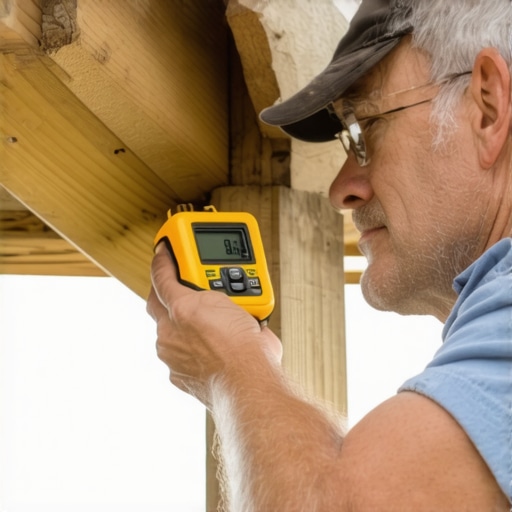
Another indispensable tool is a digital moisture meter, such as the Protimeter Surveymaster. Regularly checking the moisture content of your framing elements can help catch early signs of water intrusion or decay, especially in hidden support areas. Staying proactive with moisture management can prevent costly repairs down the line.
For cleaning and routine inspections, a soft-bristled push broom and a garden hose with a spray nozzle are my go-to. They keep the surface free of debris and prevent buildup that can cause mold or slip hazards. Using non-abrasive cleaners specifically formulated for composite decking, like the Mystic Sand Deck Wash, ensures you avoid damaging the surface while keeping it looking fresh.
From a design perspective, I recommend drafting your support plans using CAD software like SketchUp. It allows precise visualization of support placements, which is crucial when reinforcing wide treads or adapting to uneven terrain. Detailed planning reduces the chance of oversights that compromise safety or stability.
What’s Next for Outdoor Living Maintenance?
I believe the trend is shifting toward smart, sensor-equipped support systems that monitor the structural health of decks in real-time. Technologies integrating moisture sensors, strain gauges, and even Wi-Fi alerts are emerging, promising to alert homeowners before issues escalate. Installing such systems now could save you significant time and money in the future.
If you want to start adopting advanced maintenance techniques today, try integrating a moisture meter into your routine inspections and see how early issues can be detected and addressed. Regularly checking hidden areas—like support beams and framing—ensures your outdoor space remains safe and inviting for years to come.
For detailed support reinforcement methods, I recommend visiting this guide on fixing squeaky stairs which covers practical tools and methods to bolster your structure effectively.
Staying ahead with the right tools and maintenance techniques is vital for preserving the beauty and safety of your outdoor living areas. Embrace these methods, and you’ll enjoy a durable, worry-free deck for years to come. Remember, a little investment in proper tools and proactive measures now can prevent major headaches later. Are you ready to upgrade your maintenance routine? Start with a moisture check and see the difference it makes!
The Hard-Learned Lessons Ignored by Many Outdoor Enthusiasts
- Overestimating Surface Thickness: I once believed that a thicker composite board would automatically guarantee stability, only to realize that proper framing support is what truly prevents wobbling over time.
- Underestimating Support Details: Skipping additional bracing and blocking cost me on a project—lessons that hammered home the importance of thorough reinforcement for wide treads.
- Neglecting Building Codes and Precision: Ignoring local standards and meticulous alignment led to safety issues—when I finally aligned my work with regulations, the peace of mind was priceless.
Tools and Resources That Elevate Your Outdoor Living Game
- Impact Driver (like Makita XDT16): My go-to for secure fastener installation, preventing damage while tightening composite fasteners to perfection.
- Moisture Meter (such as Protimeter Surveymaster): Essential for early detection of hidden water intrusion, ensuring long-term support integrity.
- CAD Software (like SketchUp): Visualizing support layouts before construction saves time and prevents costly mistakes.
- Reputable Guides: Resources like designing safe and stylish stairs offer invaluable support techniques that elevate your outdoor projects.
Your Next Step Toward Turning Support into Confidence
With the right reinforcement strategies and tools, you can transform your wide composite stair treads from potential hazards into proud features of your outdoor retreat. Remember, details like proper framing, diagonal bracing, and secure fastening don’t just meet safety standards—they ensure your stairs last through seasons of use and weather. Ready to get started? Take the effort now and enjoy a safer, more durable outdoor space tomorrow. What’s the one reinforcement step you’re excited to try first? Share below and let’s learn together!