Picture this: You’ve finally installed that stunning new deck you’ve been dreaming about, only to realize there’s an unsightly gap where it meets the house siding. Every time I stepped onto my deck and looked at that awkward space, I felt a twinge of frustration. It’s surprising how such a small detail can detract from the whole outdoor oasis you’ve been working so hard to create.
Why That Gap Can Sabotage Your Outdoor Space
That seemingly minor gap isn’t just an eyesore — it can invite moisture, debris, and pests to settle in, potentially causing long-term damage. As someone who’s learned this the hard way, I initially thought a quick patch would suffice. But over time, I noticed mold and rot creeping into the house’s siding and framing. A simple mistake early on? I didn’t properly plan for a weatherproof, durable transition. Now, I make sure to bridge that gap effectively to protect my investment and keep my outdoor space looking sharp.
Question: Have you ever dealt with a gap that just won’t seem to close or look right?
Many homeowners overlook this detail during installation, leading to costly repairs and constant upkeep. According to a recent study, improper siding and deck transitions are among the top causes of moisture infiltration in homes, which can lead to structural issues if not addressed promptly. Trust me, the hassle isn’t worth it.
Today, we’re going to explore how to create a clean, weather-resistant bridge between your siding and your deck. Whether you’re tackling a new build or retrofit, these tips will help you avoid common pitfalls and achieve a seamless look that lasts for years.
Let’s dive into the practical steps — and good fun — of transforming that troublesome gap into a masterstroke of craftsmanship.
Measure and Prepare for Precision
Start by accurately measuring the gap using a tape measure and laser level to ensure a tight fit. I once used a carpenter’s square to double-check measurements before cutting my siding pieces, which prevented costly mistakes and saved me hours of rework. Precise measurements are the foundation of a professional-looking transition.
Choose Durable, Weather-Resistant Materials
Select Compatible Materials
Opt for high-quality, weatherproof trim or flashing that matches your siding type. When I built my deck, I chose composite-compatible flashing with a sealant to prevent moisture intrusion, mimicking the seamless look of a professional installation. This step ensures longevity and reduces maintenance.
Cut with Care and Accuracy
Use a fine-tooth saw or oscillating tool to trim your materials to exact measurements. I recommend marking cut lines with a pencil and testing on scrap before cutting the final piece. A clean cut improves sealing and appearance, making your transition both functional and attractive.
Install Carefully for a Tight Seal
Apply a high-quality, flexible sealant along the edges where the siding meets the deck framing. Secure the trim or flashing with corrosion-resistant screws, ensuring they are flush to avoid gaps. I once hurried the process and missed some gaps, which led to leaks during heavy rain. Taking your time pays off in a durable finish.
Add Finishing Touches for Style and Protection
Snap on a matching siding bead or caulk the edges for a seamless look. Painting or staining exposed trim will protect it from UV damage and blend it with your existing siding. During my project, I used a color-matched exterior-grade paint, which made the transition virtually invisible, elevating the entire deck area.
Embrace Professional Help for Perfect Results
If you’re unsure about executing these steps yourself, consider hiring a skilled deck builder. Professionals can assess your space and recommend the best materials and techniques. Their expertise can turn a tricky transition into a smooth, weather-resistant masterpiece, just like I experienced in my backyard makeover. To find a reliable expert, visit Contact Us for guidance.
Mastering this transition not only boosts your home’s curb appeal but also protects your investment from moisture damage and pests. By following these actionable steps, you ensure a sleek, durable finish that withstands the test of time and weather.
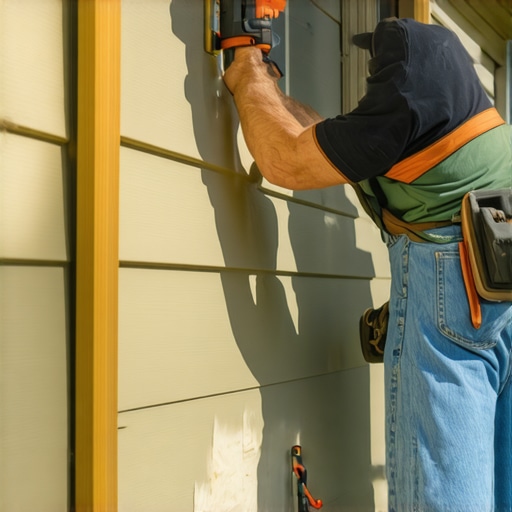 When it comes to outdoor living, there’s a lot of misinformation that can lead even seasoned homeowners astray. Many believe that choosing the cheapest composite decking options suffices or that any deck builder can deliver the same results. Let’s dig deeper into some nuanced truths that often escape casual builders, revealing why paying attention to details makes all the difference.
Is durability purely about the material? Think Again
Many folks think that selecting a high-quality composite alone guarantees longevity. However, expert insights suggest that installation quality, especially regarding proper drainage and flashing, plays a pivotal role. Improperly installed decks suffer from premature rot, squeaks, and fading, regardless of the material’s promise. As detailed in a comprehensive guide, a skilled deck builder not only chooses durable materials but also ensures the structural integrity and weather resistance of your outdoor oasis, which you can learn more about here. Common myths also include the belief that stairs are simple to build, but advanced safety standards demand precise riser heights and load calculations — something best handled by professionals. Don’t overlook this crucial element especially if you plan to host gatherings or have children around.
Expecting a quick fix can be a costly mistake
Many homeowners try DIY solutions for gaps or uneven stairs, assuming these are minor issues. But this approach often leads to poor sealing, water infiltration, and eventually, structural damage. An overlooked detail, such as improper flashing or fastener choice, accelerates deterioration. For example, choosing the wrong fasteners or neglecting to seal end grains may lead to costly repairs down the line. Learning to recognize these pitfalls can save you time and money, as outlined in some expert analyses of deck failures. Engaging a seasoned deck builder ensures these nuances are addressed, giving you peace of mind and a beautiful, resilient space. And if you want to explore how a professional approach transforms your backyard, visit this article.
Have you ever fallen into this trap? Let me know in the comments.
Knowing what most overlook or misunderstand about outdoor projects enables smarter decisions and better results. Remember, the devil’s in the details — from framing and stairs to material choices and transitions. Don’t let myths hold you back from creating a safe, stylish, and durable outdoor retreat. Instead, leverage expert knowledge and proper planning, which can make all the difference for years of enjoyment.
Keep Your Decking and Stairs in Prime Condition with the Right Tools
Proper maintenance of your outdoor living space hinges on equipping yourself with the right tools and practices. My personal approach involves utilizing specific equipment that I’ve tested and trusted over years of building and caring for decks and stairs. One essential tool is a high-quality cordless angle grinder fitted with a flap disc. I use this for removing weathered sealant or prepping surfaces for sealant application, ensuring a clean, new finish that prolongs the lifespan of your composite decking. For detailed inspections, a moisture meter such as the Protimeter Surveimeter II helps me identify hidden water intrusion areas beneath decks or in stair stringers, preventing costly repairs down the line. These devices, combined with routine cleaning with a soft-bristle brush and mild detergent, keep the composite surfaces looking their best and performing optimally over years of exposure to the elements.
On the software side, I rely on project management tools like Trello or Asana to schedule regular inspections and maintenance tasks. These platforms help me stay organized, ensuring that no part of my outdoor space is neglected—particularly important as composite decking trends head towards more technologically integrated solutions, as discussed in this upcoming trend guide. Regular inspections combined with the right physical tools allow for early detection of issues such as loose fasteners or minor cracks before they escalate.
Looking ahead, the future in outdoor maintenance seems headed toward smart technology integration—think sensors embedded within decking to monitor structural health or UV exposure. These innovations promise to reduce the manual effort and extend the durability of your outdoor investments. Meanwhile, I recommend you try using a telescoping inspection mirror to reach tight spots under stairs or inside joist cavities—it’s a game-changer for catching issues early without invasive procedures.
How do I maintain my deck and stairs over time?
Routine cleaning combined with annual inspections and timely repairs is crucial. Embracing technology, whether through moisture meters or future smart sensors, can turn maintenance from a chore into a manageable, even enjoyable, part of your outdoor living journey. Remember, investing in the right tools now ensures long-term results, saving you money and stress down the road. For a comprehensive look at ensuring your deck and stairs stay durable and safe, check out this expert guide. Give one of the advanced maintenance tips a try today—your outdoor oasis will thank you for it.
What I Wish I Knew Before Tackling Deck Transitions
- One of the hardest lessons was realizing that detailed measurements and proper material selection are the backbone of a lasting transition. Rushing through these steps often led me back to the drawing board, costing both time and money.
- Patience in sealing and finishing makes a significant difference. Skimping on the sealant or rushing the painting process reduced the lifespan of my transition, reminding me that craftsmanship requires time and care.
- Professional guidance can save you from common pitfalls. Collaborating with an experienced deck builder provided insights I wouldn’t have discovered on my own, ensuring a durable, weather-resistant finish.
- Embracing high-quality, compatible materials initially might seem expensive but pays off in the long run. This approach minimizes maintenance and preserves the aesthetic appeal of your outdoor space.
- Understanding the nuances of moisture management and ventilation is crucial. Small details like proper flashing installation protect your investment from hidden damage, which often lurks beneath the surface.
Tools and Resources That Changed My Approach
- Moisture Meter (Protimeter Surveimeter II): Trustworthy for early detection of hidden water intrusion, preventing costly repairs down the line.
- High-Quality Sealants and Flashing Materials: Investing in weatherproof, flexible sealants and flashing has saved me headaches, ensuring a tight, long-lasting seal.
- Project Management Platforms (Trello, Asana): Staying organized with these tools helped me schedule inspections and maintain consistency in upkeep routines.
- Expert Articles and Guides: Resources like this detailed guide provided invaluable tips that elevated my project from amateur to professional quality.
Now It’s Your Turn to Shape Your Outdoor Oasis
Remember, creating a seamless transition between your siding and deck is a detail that elevates your entire outdoor space. Embrace the learning process, invest in quality tools, and don’t hesitate to seek professional advice when needed. Your efforts will pay off in durability, curb appeal, and peace of mind for years to come. If you’re ready to take your outdoor living area to the next level, explore innovative ideas and expert insights at this resource. Happy building!
Have you ever struggled with a tricky deck transition? Share your experiences below—I’d love to hear how you overcame those challenges!
.