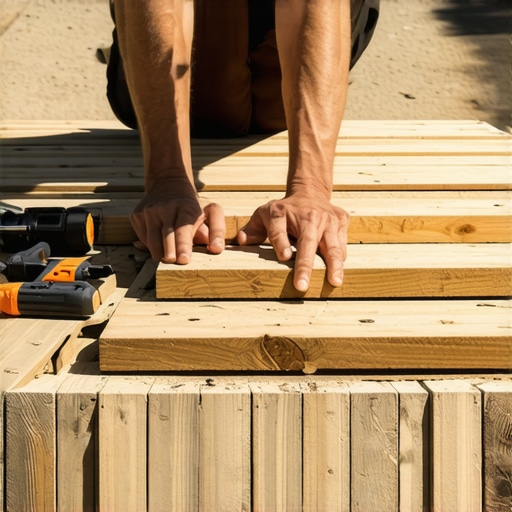
Every time I start building a new deck, there’s this unexplainable knot in my stomach when I reach the first step. It’s the moment I realize: this tiny stair step, seemingly simple, is always the biggest obstacle. No matter how much planning or experience I have, that initial step feels like trying to solve a puzzle with missing pieces. I bet you’ve faced this challenge too—struggling to get that first riser just right, only to find that the rest of the stairs fall into place with less trouble.
Cracking the Code of the Toughest Step
This frustration isn’t just in your head. It’s rooted in a common construction challenge—getting that first step level, secure, and aligned. If it’s off even slightly, your entire staircase can feel unstable, look uneven, or worse, pose safety hazards. But here’s the good news: after years of tinkering, I’ve discovered some practical ways to tackle this obstacle head-on, transforming that dreaded first step from a nightmare into a straightforward task.
Is It Really Worth the Hassle? My Early Mistake
When I first began building stairs, I skipped a few critical prep steps, rushing to lay the first riser without proper measurements. This oversight led to uneven stairs and lots of rework. It’s easy to think that the first step doesn’t need as much attention—as if it’s just a starting point. But, trust me, that’s a mistake. Properly planning and installing that first riser sets the tone for the entire staircase. For tips on designing safe and stylish stairs, check out this comprehensive guide.
Research supports this too—studies show that initial errors in step installation can compound, leading to more time-consuming fixes down the line. So, if you’re tired of redoing that first step, let’s explore some strategies that make this part easier and more reliable.
Setting the Stage for Success
In the sections that follow, I’ll walk you through the essential steps—measuring accurately, preparing your framework, and making precise adjustments—to ensure your first step isn’t a source of stress, but a solid foundation for a beautiful outdoor staircase. Ready to ditch the frustration and build with confidence? Let’s get started and turn that daunting first step into a straightforward success.
,
Measure Twice, Cut Once
Begin by laying out your first step with meticulous accuracy. Use a reliable tape measure and a straightedge to mark the riser and tread dimensions on your framing material. Think of this as charting a route on a map—you want the path to be exact before setting foot on it. I recall a project where I double-checked my measurements three times, which prevented several re-cuts later. Once marked, cut your framing to size with a saw that provides clean, precise edges, such as a circular saw fitted with a fine-tooth blade. Precision here ensures your first riser aligns perfectly, serving as a reliable baseline for the rest of the stairs.
Leveling the Foundation
Next, focus on establishing a perfectly level foundation. Place your stringers or support beams on adjustable pedestals or shims—these serve as tiny scaffolds for fine-tuning height. Imagine balancing a sword on your finger; you adjust each side until it’s perfectly horizontal. Use a high-quality level or a laser level for accuracy. In a recent job, I used a laser level that projected a bright line across the support surface, allowing me to make quick, precise adjustments. Proper leveling prevents the entire staircase from feeling unstable or looking irregular, much like aligning stones in a dry-stack wall.
Secure and Brace Properly
Once your measurements are verified and the base is level, secure the first riser with corrosion-resistant fasteners—screws that will withstand weather and time. Drive the fasteners into framing members or anchors directly into concrete if your stairs are freestanding. To prevent movement during installation, brace the riser temporarily with clamps or bracing supports, similar to how scaffolding holds up a building in progress. I remember a time I forgot to brace the initial riser; a gust of wind shifted it slightly, causing misalignment. Making sure it’s firmly anchored at this stage sets a stable reference point for subsequent steps.
Align and Check Repeatedly
Use a carpenter’s square and a string line to ensure the first riser and tread are perfectly aligned. Cross-check measurements frequently—this is your safety net against errors. Visualize this step like tuning a musical instrument; even slight deviations can throw off the harmony of your staircase. During one project, I caught a slight misalignment with a quick check, saving me hours of correction later. Consistency in measurements and alignment not only makes your stairs look professional but also guarantees safety for users.
Verify and Adjust Before Finalizing
Before you tighten all fasteners completely, step back and inspect your work. Walk the area mentally; imagine foot traffic, weight distribution, and weather effects. If something isn’t quite right, loosen the fasteners slightly and make precise adjustments. Think of it as fine-tuning a bicycle’s gears—small corrections lead to smooth, efficient operation. Applying this method repeatedly in my projects ensured my first step was the rock-solid foundation that made or broke the entire staircase’s reliability.
Incorporate Visual Guides
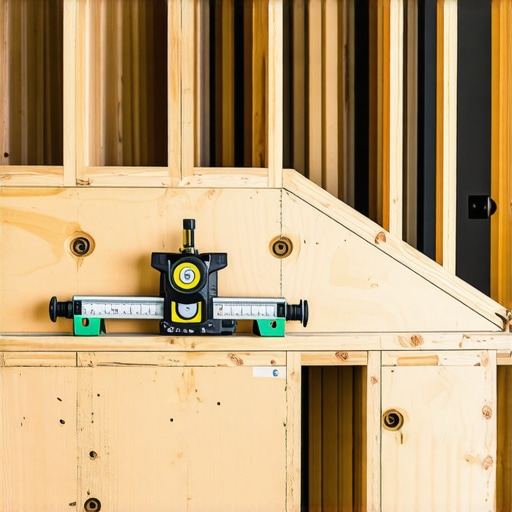
Remember, a visual reference can be invaluable. A diagram or photograph of a well-measured and leveled first step can serve as your blueprint during construction, helping catch potential issues early. Keep honing this initial phase; it’s where all your planning, patience, and precision pay off—turning a potentially tricky start into a straightforward process that leads to beautiful, durable stairs.
When it comes to creating the perfect outdoor retreat, many believe that simple solutions like choosing the cheapest composite decking or following generic design trends will guarantee success. However, there’s a wealth of nuances and common misconceptions that can derail even seasoned DIYers and professionals alike. Let’s explore some of the most overlooked aspects that can make or break your outdoor living project.
One widespread myth is that all composite decking is created equal. This misconception often leads homeowners to select cheaper options, only to face issues like warping, discoloration, or mold buildup within a few seasons. In reality, not all composite materials are engineered to withstand specific climate conditions. For example, mineral-core boards are less prone to thermal expansion, ensuring the deck remains stable in fluctuating temperatures. For insights on selecting durable materials, check out this guide.
A common mistake in outdoor stairs construction involves neglecting the critical importance of accurate measurements and proper framing. Builders often assume that standard riser heights or tread depths are acceptable universally, but these dimensions can vary based on regional building codes and personal comfort. Advanced builders pay close attention to these details, understanding that inconsistencies can lead to safety hazards or trip hazards. For a comprehensive approach, see this resource.
Make sure not to overlook the subtle yet impactful role of lighting and visual cues in outdoor living spaces. Many focus solely on aesthetics, but well-placed lighting can enhance safety, define pathways, and emphasize architectural features. However, a mistake often made is using cheap solar post caps or low-quality fixtures that fail quickly or create uneven illumination. Investing in quality fixtures and understanding their placement can elevate your space from functional to spectacular. For more tips, explore this article.
Have you ever fallen into this trap? Let me know in the comments. Now, how about that hidden nuance—what’s a detail you might overlook but could have a big impact? Keep reading, because the devil truly is in the details when it comes to expert-level outdoor design.Maintaining a beautiful and durable outdoor space requires the right equipment and a commitment to routine checkups. Over the years, I’ve refined my toolkit to include specific tools that make inspections, minor repairs, and long-term upkeep more efficient. When it comes to deck building and outdoor living, precision tools are essential for identifying issues early and ensuring that every component functions as intended. For example, I rely heavily on a digital moisture meter, such as the Protimeter Surveymaster, to detect hidden water intrusion in framing members or beneath composite decking. Moisture problems can lead to rot or mold, especially in environments with high humidity, so catching these early prevents costly damage down the line. Regularly using this device helps me spot potential issues before they become visible, saving both time and money. Additionally, a high-quality laser level, like the Bosch GLL 55, has become my go-to for ensuring stairs, platforms, and railings stay perfectly aligned over time. Laser levels provide consistent readings across long distances and irregular surfaces, which traditional spirit levels struggle with—this becomes especially useful when working on uneven terrain or multiple-story decks. The future of deck maintenance tools might involve more integration with smart technology, such as Bluetooth-enabled sensors that monitor humidity or structural integrity in real-time, alerting homeowners or builders to potential problems before they escalate. Investing in advanced tools not only improves the quality of your work but also extends the lifespan of your outdoor structures.
### How do I keep my outdoor decks and stairs working smoothly over time?
– Conduct regular visual inspections for loose fasteners, cracked boards, or signs of water pooling.
– Use a moisture meter periodically to check for hidden water damage, especially after storms or harsh winters.
– Schedule annual professional evaluations, particularly if your deck bears heavy loads or is in a high-wind zone.
– Keep hardware tight and replace worn-out fasteners with corrosion-resistant stainless steel or coated screws.
– Implement preventive measures such as sealing or treating wood components—apply a high-quality sealant, like Owatrol Deco Film, to protect against moisture infiltration.
– Incorporate smart sensors into critical areas for long-term monitoring, a trend projected to grow as IoT technology advances.
By combining these tools and strategies, your outdoor living space remains safe, functional, and beautiful through the seasons. For insights on maintaining composite decking, be sure to check out this detailed article. Don’t wait for visible damage—start integrating routine inspections and advanced tools today to keep your decks and stairs performing flawlessly for years to come.
The Hardest Lesson I Learned About Outdoor Stairs
One invaluable insight I wish I’d known from the start is that the first riser isn’t just a starting point—it’s the backbone of your entire staircase. Neglecting meticulous measurement or rushing through that initial step can cascade into uneven, shaky stairs that mar your outdoor space. Now, I always double-check my measurements and take extra time framing that first riser, knowing it saves hours of frustration later.
Beyond Tools and Techniques—The Power of Patience
While precision tools like laser levels and moisture meters are game changers, I’ve learned that patience is the ultimate secret weapon. Building outdoor stairs demands a deliberate pace—aligning, adjusting, and verifying multiple times. Rushing often leads to misalignment or safety hazards. Embracing a calm, thorough approach turns a daunting task into a rewarding project that stands the test of time.
Why Expert Advice Beats DIY Myths
There’s a lot of conflicting info out there—like the myth that all composite decking is maintenance-free or that standard measurements fit every project. My experience has shown that trusting seasoned insights, such as understanding regional building codes or selecting the right materials, prevents costly mistakes. Connecting with reliable resources, for instance, this comprehensive guide on designing stylish, safe stairs, has helped me elevate my projects consistently.
Little Adjustments, Big Impact
Small tweaks—like using shims for perfect leveling or applying sealant to vulnerable joints—might seem minor but dramatically improve durability and appearance. Over the years, I’ve incorporated these details into my workflow, transforming routine builds into expertly crafted outdoor elements that owners cherish for decades.
Visuals That Guide Your Success
Having a clear diagram or reference photo isn’t just helpful—it’s essential. During complex steps, I refer back to my visual guides to confirm dimensions and alignment, catching potential issues early. This habit has saved me countless reworks and has given me confidence in every stage. Remember, the right visuals accelerate mastery and ensure your first step sets a durable foundation for stunning stairs and decks.
Curated Gear for Building Dreams
Over the years, I’ve curated a toolkit that makes outdoor stairbuilding smoother. A high-quality laser level like the Bosch GLL 55 helps keep things perfectly aligned, while a moisture meter such as the Protimeter Surveymaster detects hidden water issues before they become costly repairs. I trust these because they give me detailed, reliable data—saving both time and headaches. Looking ahead, integrating smart sensors for real-time monitoring could revolutionize how we maintain outdoor structures, ensuring safety and longevity well into the future.
Nurture Your Outdoor Space—Start Today
Building outdoor stairs and decks is more than just a project—it’s a chance to create a lasting retreat. Embrace precision, patience, and ongoing learning, and you’ll turn initial frustrations into satisfying successes. Your outdoor living space can become a cherished area for family gatherings, relaxation, and entertainment—so why wait? Take the first step with confidence, and watch your vision come to life. What part of deck building have you found most challenging—and how did you overcome it? Share your stories below!