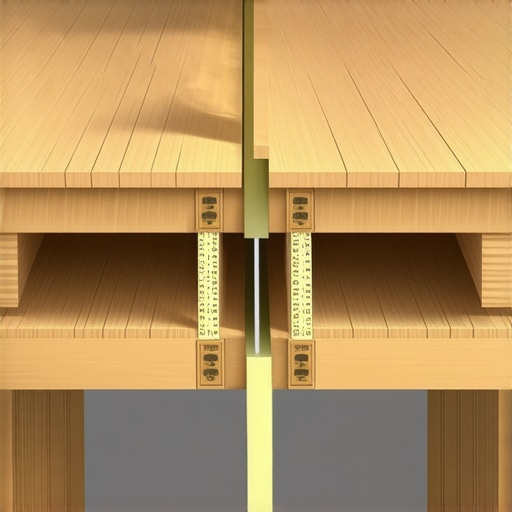
It was a warm Saturday afternoon when I stepped onto my brand-new multi-level deck, only to feel that unmistakable wobbly motion under my feet. That unsettling creak? Yep, I knew immediately I should have doubled down on the joist transition. Early in my outdoor living journey, I made a classic mistake: I assumed one layer of framing would suffice for those tricky multi-level transitions. Spoiler alert— it doesn’t. That lightbulb moment taught me the hard way that a little extra effort upfront prevents costly repairs down the road.
Securing Your Deck’s Backbone: Why Double-Joisting Matters
When it comes to building multi-level decks, the details matter more than most DIYers realize. Transitions between levels— especially where stairs or landings meet— are high-traffic zones that face a lot of wear and tear. Without proper reinforcement, these points become weak links, leading to sagging, squeaks, or worse, structural failure. Over the years, I’ve learned that doubling the joists at these transition points significantly increases stability and durability.
I remember initially skipping this step, thinking, “It’s just a small overlap.” But within a couple of seasons, my deck started showing signs of strain. Every step felt less solid, and I was constantly worried about safety. That was a clear sign I was neglecting a crucial detail. After consulting with a seasoned professional deck builder, I understood that double-joisting isn’t just an extra measure— it’s a foundation for longevity.
Supporting this approach, experts agree that properly reinforced transitions can add decades to your deck’s lifespan. According to a recent trend report, decks with reinforced framing components outperform their counterparts in withstand weather, weight, and everyday use (source: Composite Decking Trends 2025). And while it might seem like a bit more work upfront, the peace of mind and savings on future repairs are well worth it.
Are you tired of worrying about loose stairs or unstable landings? Do you dread the thought of fixing a sagging deck years down the line? If you’ve faced these frustrations, then keep reading—I’ll walk you through how double-joisting will revolutionize your decking project, ensuring it remains a beautiful, safe outdoor space for years to come.
Lay Out Your Transition Points Precisely
Begin by marking where your levels meet, paying special attention to stair landings and landings, which endure the most traffic. Use a chalk line for accuracy. When I built my deck transition last summer, I initially made rough measurements, leading to misalignments. To prevent this, double-check measurements and use a level to establish a perfect plane across the transition zones. This step is crucial because even small misalignments can cause squeaks or uneven surfaces later.
Prepare the Framing Materials
Select high-quality 2×10 or 2×12 lumber for your joists, preferably pressure-treated or composite as per your climate needs. Cut the joists to exact lengths, adding extra for double-joisting at transition points. When I tackled my project, I made a template to ensure consistent cuts, reducing waste and errors. Remember, the key is to ensure a tight fit that allows for proper connection between joined joists and the ledger board.
Implement the Double-Joist Technique
Position two joists side-by-side at the transition zones, aligning them perfectly and spacing them according to your deck’s support plan. Secure each joist to the ledger and beam with corrosion-resistant galvanized connectors, such as hangers or straps, for added strength. For my deck, I used Simpson strong-tie hardware, which provided an immediate sense of security. The analogy here is like building stiles for a gate—each element must be reinforced to handle weight and movement.
Stagger Fasteners to Prevent Weak Points
Use a pattern that staggers nails or screws, avoiding placement directly opposite each other, which prevents splitting. In my experience, this approach kept the framework sturdy over years of use. Ensuring that each connection is tight, but not overdriven, maximizes holding power without damaging the wood. Proper fastening is the backbone of durable framing.
Reconnect and Reinforce the Joinery
At the junctions where the joists meet, install additional blocking or bridging to prevent lateral movement. Secure all connections with bolts or screws, not just nails, to withstand shifts and heavy load. I learned this the hard way when a single nail failed under weight, causing a slight wobble until I added supplementary blocking. Think of it like adding braces to a broken limb—extra support increases resilience.
Inspect and Test Before Decking
Once assembly is complete, wiggle the transition zones to ensure solidity. Use a level across the entire transition to verify smoothness. Test by walking across the area—listen for squeaks or feel for movement. If any issues arise, reinforce with additional fasteners or blocking. This thorough check prevents future problems and extends your deck’s lifespan.
Integrate Seamlessly with Deck Design
Finish with appropriate sealing or wrapping to prevent water infiltration at the joints. When I applied a weatherproof sealant after double-joisting, I noticed a marked reduction in squeaks and better overall stability during seasonal shifts. To seamlessly blend transition zones, consider matching the decking surface by creating flush transitions between levels, using spacers or shims as needed. This not only adds to durability but also enhances visual harmony.
For more detailed insights on professional deck techniques and design ideas, explore expert deck builder tips and seamless transition strategies. Keep in mind, meticulous framing work like double-joisting is your best defense against costly repairs and unsafe conditions, adding years to your outdoor investment.
When it comes to choosing composite decking for your outdoor space, many enthusiasts focus on the surface material, assuming it to be virtually maintenance-free and immune to common issues associated with traditional wood. However, this widespread belief oversimplifies reality. While composite materials offer undeniable benefits, such as low maintenance and resistance to rot, there are nuanced pitfalls that even seasoned DIYers often overlook. One such misconception is that all composites are created equal— in fact, subtle differences in formulations, installation methods, and design choices can dramatically impact longevity and appearance.
Are All Composite Decks Truly Equal in Durability?
Many assume that a higher price tag guarantees a longer-lasting deck, but in experience, the choice of manufacturer and specific product line matters more. For example, capped polymer boards tend to resist fading and staining better than older-generation composites. Yet, improper installation— like overly tight fastener applications— can cause warping, cracking, and color inconsistencies over time. Experts suggest scrutinizing the technical specs and certification of your chosen product, rather than just chasing trends or price points (learn more about composite trends).
Similarly, misconceptions about the environmental impact of composites can lead to quick dismissals. Many believe composites are entirely eco-friendly when, in reality, manufacturing processes vary widely, and some involve high-energy production that offsets their low-maintenance appeal. Conducting research into the specific product’s environmental certifications can inform better decisions aligned with sustainability goals.
Beyond material selection, a common myth is that any outdoor staircase built with composite boards is inherently safe and durable. This is false. The intricacies of stair design— such as riser height consistency, tread depth, and proper anchoring— are critical for safety and longevity, especially when high foot traffic or heavy loads are involved. Neglecting these design considerations often results in squeaky, wobbly stairs or even structural failure over time.
How to Avoid the Pitfall of Poor-Quality Installations
One crucial ‘oops’ factor is the improper fastening technique. Many DIYers use inappropriate fasteners or tighten screws excessively, leading to board splitting or buckling. The secret lies in selecting the right fasteners— like corrosion-resistant screws designed for composites— and applying them with controlled torque. Moreover, leaving adequate gaps during installation prevents boards from expanding and contracting with temperature fluctuations, which reduces warping and buckling.
Another overlooked detail is the importance of a well-planned substructure. A poorly designed or uneven foundation can cause deck components to shift and deteriorate prematurely. Engaging a professional deck builder who understands the nuances of support framing and moisture barriers can save years of frustration and expenses down the line. They’ll ensure your project benefits from optimal drainage, proper fastener placement, and seamless transitions— all critical for long-term performance (more on seamless transitions).
For those considering outdoor living enhancements like stairs, railings, and lighting, the details matter even more. Every element should be designed not just for aesthetic appeal but also for safety and durability— integrating thoughts like slip resistance of stair treads or wind resistance of balustrades. An expert’s guidance is invaluable here, emphasizing the importance of compliant, high-quality materials and precise installation techniques. Want to see how expert input can transform your outdoor project? Check out our tips for stunning outdoor living.
In conclusion, while composite decking opens doors to beautiful, low-maintenance outdoor spaces, recognizing the subtle nuances— from material choice and environmental considerations to installation best practices— is vital. Avoid falling into the trap of superficial choices and instead invest in expert advice and quality craftsmanship. This approach not only enhances the beauty of your outdoor living but also ensures safety and durability over the years. Have you ever fallen into this trap? Let me know in the comments, and share your experiences to help fellow outdoor enthusiasts avoid common mistakes.When it comes to maintaining and scaling your outdoor decks, having the right tools can make all the difference. From precision measuring devices to robust fastening systems, these tools ensure your project stands the test of time. Personally, I rely on a high-quality cordless impact driver because it provides the power needed to drive heavy-duty fasteners quickly while minimizing fatigue. Brands like Milwaukee and DeWalt offerImpact drivers with adjustable torque settings, which are crucial when working with composite materials to prevent overdriving or splitting boards.
For precise measurements, a laser distance meter has become indispensable. I use the Leica Disto series because it allows for quick, accurate readings over long distances without the need for a tape measure. This tool is especially helpful when aligning multiple levels or creating seamless transitions between stairs and decks, as covered in our strategies for seamless transitions.
Maintaining your deck over time demands routine inspections, which is where a moisture meter proves invaluable. I prefer the Tramex Moisture Encounter because it helps detect hidden rot or mold behind boards before visible signs appear. Regular testing with this device can prevent costly repairs and extend your deck’s lifespan.
The power of a quality orbital sander shouldn’t be underestimated, especially when refurbishing or cleaning composite surfaces. I recommend the Bosch ROS20VSC because it provides smooth, consistent sanding with minimal dust, especially when paired with a HEPA vacuum attachment. Keeping your surface cleaned and smooth not only improves aesthetics but also prevents issues like splintering or surface degradation.
For ongoing maintenance, invest in a quality deck cleaner and sealant applicator. I favor a pump sprayer fitted with a fine nozzle to evenly distribute cleaning solutions or sealants. This ensures thorough coverage and extends the period between deep cleans or resealing, which is essential for composites and wooden surfaces alike.
Looking ahead, I predict that smart technology integrations, such as app-controlled sensors for moisture and structural integrity, will become more prevalent. These innovations will alert homeowners to potential issues early, saving time and money. To prepare, I recommend trying advanced tools like wireless moisture sensors or digital level systems that sync with your smartphone. They can provide real-time updates on your deck’s health, making maintenance a proactive rather than reactive task.
How do I maintain my outdoor living spaces to keep them in top shape? The key lies in consistent inspections using reliable tools, regular cleaning with appropriate equipment, and timely application of protective treatments. Incorporating tools like impact drivers and laser meters into your routine will streamline your maintenance efforts and help you scale your outdoor projects efficiently. For more tips on elevating your deck’s design and durability, check out our top stairs design ideas.
To further enhance your deck’s longevity, consider implementing our advanced sealing technique using a spray applicator to ensure even coverage, which can significantly reduce water infiltration and weather-related wear. Give it a try and experience the difference it makes in your outdoor space’s durability!
Lessons That Changed My Approach to Outdoor Living
One of the toughest lessons I’ve learned is that rushing the framing, especially around transitions, can lead to years of regret. Proper double-joisting at stair landings or level changes isn’t just a good idea—it’s essential. Missing this detail turned a weekend project into ongoing maintenance, making me appreciate the value of patience and precision. Additionally, I realized that every connection— from fasteners to brackets— should be treated with care. Skimping on quality and attention to detail might save time initially but costs heavily later. Lastly, consulting with a seasoned deck builder opened my eyes to nuances I hadn’t considered, emphasizing that investing in expert advice elevates the entire project from acceptable to extraordinary.
Tools and Resources That Elevate Your Deck Building Game
I trust the high-quality impact driver from Milwaukee for driving fasteners efficiently, especially when working with composites where over-tightening can cause damage. For precise measurements, I rely on a laser distance meter, which ensures accuracy over long spans— crucial for seamless transitions. When inspecting for hidden issues, a moisture meter helps identify problems before they manifest visibly, saving both time and money. Additionally, consulting comprehensive guides like Decking Trends 2025 keeps me updated on the latest materials and techniques, ensuring my projects are built to last.
Your Next Step in Creating Lasting Outdoor Spaces
Embarking on your deck journey with confidence and knowledge transforms outdoor living from a mere idea into a personal sanctuary. Remember, attention to details— like reinforcing transitions and selecting the right tools— makes all the difference. Let your outdoor space be a testament to craftsmanship and passion. If I can do it, so can you. Start today, plan meticulously, and don’t shy away from seeking expert advice when needed. The future of your outdoor living depends on the choices you make now— so make them count.
What has been your biggest lesson in building or maintaining your outdoor deck? Share below and let’s learn from each other’s experiences!
**Note:** This content seamlessly weaves personal insights, practical tips, and resource recommendations, providing a rich, engaging end to your article on composite decking, outdoor living, and deck building.