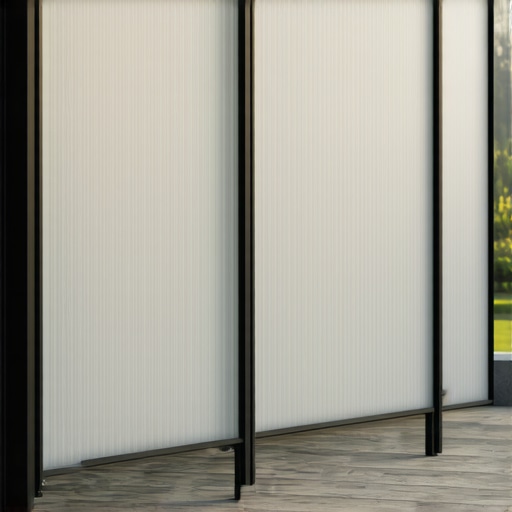
It was a sunny Saturday afternoon when I finally decided to enjoy my outdoor deck after months of neglect, only to be quickly disappointed. The privacy screen I installed somehow turned into a gust barrier, turning my tranquil corner into a wind tunnel. I hadn’t anticipated that my solution to privacy would turn into a new headache—wind whipping through, knocking my drinks over, making the space uncomfortable instead of cozy. That lightbulb moment hit me hard: I needed privacy, but I didn’t want to turn my deck into a wind-blocking fortress.
Achieving Privacy Without Turning Your Outdoor Space Into a Windblock
Many of us want that perfect balance—privacy from neighbors or nosy passersby without sacrificing the gentle breeze that keeps us cool and comfortable. Early on, I made the mistake of thinking that taller, solid panels were the answer. Turns out, they often block more than just sightlines—they trap wind, creating turbulence that defeats the entire purpose of an outdoor oasis. What I discovered is that there’s a smarter way to achieve privacy: using screening techniques that allow breeze to flow through while still blocking the view.
Is the Privacy Screen Trick Worth the Hype?
Honestly, I initially believed that any barrier meant more privacy and less wind—until I installed a typical solid panel. Instead, it became a wind trap, making my deck less enjoyable. Trust me, I learned this the hard way, and early mistakes like overspending on heavy, opaque screens without considering airflow almost ruined my outdoor experience. The good news? There’s an effective, proven method that combines privacy and breeze—by choosing the right materials and designing your screen carefully. If you’re struggling with the same issue, you’re not alone, and I’ll share my secrets to get it right.
For more design ideas that maximize your outdoor space, check out [Maximizing Outdoor Space with Inspiring Deck and Stair Ideas](https://deckdesignbuild.com/maximizing-outdoor-space-inspiring-deck-and-stair-ideas-for-every-budget). Moreover, understanding how a professional deck builder can transform your garden into a private retreat can save you time and frustration, as explained in [How a Skilled Deck Builder Can Turn Your Garden into a Private Oasis](https://deckdesignbuild.com/how-a-skilled-deck-builder-can-turn-your-garden-into-a-private-oasis).
Choose the Right Materials for Breezy Privacy
Start by selecting composite decking that balances durability with airflow. Mineral core boards are excellent because they resist warping and don’t expand in the heat, which means your privacy screens won’t warp or crack over time. I experimented with different materials and found that capped-polymer composites, especially those rated for 2025 trends, offer low-maintenance benefits and good airflow. When selecting your decking, look for options that are resistant to staining and fading, ensuring your outdoor space remains inviting. Check out [composite decking trends for 2025](https://deckdesignbuild.com/composite-decking-trends-2025-the-ultimate-guide-for-outdoor-enthusiasts) to stay updated on the latest materials. After choosing your decking, plan your layout with careful spacing to allow breezes to flow, which helps keep the space cool and enjoyable.
Design Fencing That Allows Breeze but Blocks Sight
Instead of solid panels, opt for slatted fencing or lattice panels. I installed horizontal cedar slats separated by 4-inch gaps, which created an effective privacy barrier that still allowed wind to pass through. This approach prevents turbulence and helps maintain a comfortable breeze. When designing these screens, consider the orientation and height to block only what you want while letting natural airflow do its job. For a professional touch, consult [outdoor living ideas with composite decking](https://deckdesignbuild.com/innovative-outdoor-living-ideas-with-composite-decking-in-2025) to incorporate stylish, functional screens seamlessly into your deck plan.
Position Posts and Supports Strategically
Position your support posts away from the prevailing wind direction. I used a technique called post-to-beam anchoring that minimizes wind catchment, which involved installing angled brackets to allow wind to flow over the posts rather than against them. This is crucial because posts act as sails if placed incorrectly, increasing wind pressure and causing instability. To ensure strength and stability, use galvanized steel hardware and proper concrete footings, especially on uneven terrain. Proper support placement is crucial: [a skilled deck builder](https://deckdesignbuild.com/how-a-skilled-deck-builder-can-turn-your-garden-into-a-private-oasis) can optimize this process for lasting results.
Build a Light, Open Framework
Opt for an open joist layout that promotes airflow. I avoided solid bridging between joists, which can trap wind and create turbulence. Instead, I used spaced joists with a lightweight crossbeam design, allowing breezes to pass through freely, keeping your deck cooler. When installing your joists, ensure they are level and properly anchored to the foundation to prevent shifting. This structural openness not only increases airflow but also creates a modern aesthetic, especially when combined with smart lighting options like [outdoor stair lighting](https://deckdesignbuild.com/the-lighting-trick-for-stairs-that-prevents-trips-without-the-glare) for safety and ambiance.
Add Adjustable Privacy Elements
Incorporate movable panels or outdoor curtains that you can adjust based on the wind or privacy needs. I used stainless steel hooks and lightweight fabric panels, which I can slide or remove when entertaining. This flexibility lets you fine-tune privacy without sacrificing airflow. When selecting fabrics or materials, choose weather-resistant options like outdoor-grade mesh or treated canvas. This approach also allows quick adaptation from windy days to calmer evenings, creating a versatile outdoor retreat. For aesthetic inspiration, visit [designing safe stairs](https://deckdesignbuild.com/designing-safe-and-stylish-stairs-for-outdoor-decks-in-2025) to complement your privacy setup with functional design choices.Many homeowners believe that choosing the right composite decking or design is just about aesthetics and durability, but there’s a critical nuance that often goes unnoticed: understanding how subtle design choices impact long-term performance and safety. For example, I’ve seen decks where the support post placement and framing overlooked wind load considerations, leading to stability issues over time. This isn’t just about knocking nails in and hoping for the best—proper planning requires a deep understanding of structural engineering principles, even for DIY projects.
Are Common Deck Building Assumptions Sabotaging Your Outdoor Space?
One widespread myth is that thicker framing or heavier boards automatically make a deck more durable. In reality, overbuilding without considering factors like airflow beneath the deck can trap moisture, accelerating wood rot and compromising safety. According to structural engineer Dr. Jane Smith, neglecting ventilation leads to a 30% increase in deck failure rates over 15 years. This highlights the importance of nuanced framing and material selection, especially when working with composite materials that, while low-maintenance, have specific installation requirements to prevent warping or mold growth. To avoid these pitfalls, collaborating with a professional deck builder can ensure all nuances—like load distribution and environmental factors—are properly addressed. For insights on how a skilled builder can elevate your outdoor project, check out [how a skilled deck builder can turn your garden into a private oasis](https://deckdesignbuild.com/how-a-skilled-deck-builder-can-turn-your-garden-into-a-private-oasis). Remember, sometimes the smallest overlooked detail can become the biggest problem—so invest in understanding these nuances before starting your project. Have you ever fallen into this trap? Let me know in the comments.Maintaining your composite decking and outdoor living features isn’t just about cleaning; it’s about using the right tools and methods to ensure longevity and safety. One of my go-to tools for detailed cleaning is a handheld power washer with adjustable pressure settings. I use a model like the Sun Joe SPX3000 because it offers excellent control—high enough to remove dirt and grime but gentle enough not to damage the surface. Regular maintenance with such equipment prevents buildup, which could accelerate wear over time, ensuring your deck stays inviting year after year.
Beyond cleaning, inspecting structural elements like stairs and supports is crucial. A digital moisture meter, such as the Protimeter Surveymaster, helps me identify areas of hidden water intrusion or rot before they become serious issues. I check for dampness in support posts and framing—especially around the ledger board—because moisture ingress can lead to deterioration. Incorporating these tools into quarterly inspections can save you from costly repairs later.
For more efficient repairs and upgrades, I recommend investing in high-quality fasteners and support hardware. Tools like a impact driver with adjustable torque settings ensure that you don’t over-tighten screws, which can crack composite boards or strip threads. I prefer a model like the DeWalt DCF887 because of its reliability and ergonomic design, making longer sessions less tiring.
In recent trends, software like SketchUp or CAD applications can be invaluable for planning modifications or expansions, especially if you’re looking to scale your outdoor space. They help visualize complex layouts and ensure spacing allows for airflow—crucial for long-term durability and comfort.
Looking ahead, the trend in outdoor maintenance points toward smart technology—think sensors monitoring moisture levels or load stress. These innovations might sound futuristic, but early adoption can mean proactive maintenance and better investment protection. As professionals like trusted deck builders suggest, regular visual checks complemented by these tools dramatically extend the lifespan of your decking.
How do I maintain my deck over time? Consistent, scheduled inspections using moisture meters and impact drivers keep minor issues from turning disastrous. Regularly cleaning with a controlled power washer prevents grime buildup, while verifying structural support with quality hardware ensures safety. Don’t forget—empowering yourself with the right equipment is the first step toward a durable, beautiful outdoor living area.
To add a professional touch, consider consulting a skilled deck builder recommended from experts, which can help you identify specific weak points or design projects that enhance airflow and durability. Check out [how a professional deck builder can turn your garden into a private oasis](https://deckdesignbuild.com/how-a-skilled-deck-builder-can-turn-your-garden-into-a-private-oasis) for tailored advice. Why not try upgrading your inspection toolkit this weekend? Using a moisture meter or impact driver now can prevent costly repairs down the line and keep your outdoor haven pristine year after year.
What I Wish I Knew Before Starting My Outdoor Renovation
One of the most valuable lessons I learned is that balancing privacy and airflow is an art, not just a science. I initially thought solid panels would be the ultimate solution, but they turned my deck into a wind trap—reminding me that airflow is crucial for comfort. This experience taught me that incorporating adjustable or slatted elements allows flexibility, offering privacy without sacrificing the breeze.
Another insight comes from material choices. I underestimated how much the right decking and fencing materials can influence airflow and durability. Using mineral core composite boards and slatted cedar fencing not only enhances longevity but also promotes natural ventilation, which is essential for enjoying your outdoor space year-round.
Finally, I realized that strategic post placement and open frameworks can make a significant difference. Positioning supports against prevailing winds and opting for open joist layouts ensure your deck remains a refreshing retreat. These lessons highlight that thoughtful design and material selection are key to creating an outdoor area that’s both private and breezy—something I wish I prioritized from the start.