It all started one summer afternoon when I stepped onto my newly built multi-level deck. Instead of the smooth, welcoming surface I envisioned, I felt a wobbly step beneath my feet, and the vibrant colors of my composite boards looked dull and warped under the sun. That moment was a lightbulb flickering in my mind—there’s more to a deck than just its initial design or material choice. The hidden costs and unforeseen challenges can turn a beautiful outdoor project into a money pit if you’re not careful.
How to Avoid Budget Surprises with Deck Design Choices
Building a deck is more than just laying down some boards and installing a few stairs. It’s an investment that involves planning, materials, and a good understanding of the hidden expenses—especially when deciding between multi-level designs and expansive flat decks. In my early days as a DIY enthusiast, I made the mistake of assuming that a multi-level deck was just a matter of adding a few extra steps. Turns out, the structural complexity and additional supporting elements can significantly increase costs and maintenance efforts.
The core issue is that multi-level decks require more intricate framing, proper load distribution, and often, extra permits. These factors add to the overall expense, sometimes unexpectedly. Conversely, a large flat deck might seem straightforward, but overlooking the importance of correct joist spacing and material selection can lead to sagging or warping over time, costing more in repairs.
Understanding these nuances early on can save you from costly revisions later. For example, choosing the right [composite decking](https://deckdesignbuild.com/choosing-the-right-composite-decking-for-durable-low-maintenance-outdoor-areas) can drastically reduce maintenance costs. Additionally, engaging with a [professional deck builder](https://deckdesignbuild.com/the-benefits-of-working-with-a-professional-deck-builder-in-your-outdoor-projects) can help you navigate permits, structural requirements, and material choices that align with your budget.
Have you ever faced unexpected expenses after starting your outdoor project? If so, you’re not alone. Many homeowners don’t realize the full scope of costs until they’ve already committed significant time and resources. That’s why understanding the [long-term implications](https://deckdesignbuild.com/maximizing-outdoor-space-inspiring-deck-and-stair-ideas-for-every-budget) of your design decision can make all the difference.
In the following sections, I’ll walk you through practical strategies to evaluate your options—so you can create a stunning, durable deck without breaking the bank. Ready to transform your outdoor space efficiently and effectively? Let’s dive in.
Assess Your Space and Define Your Goals
Start by measuring your yard accurately using a tape measure and marking the perimeter of your desired deck footprint with stakes and string. Decide on the deck size and shape based on how you plan to use the space—whether for entertaining, lounging, or dining—and consider future needs to avoid unnecessary expansions.
Choose the Right Materials for Longevity and Budget
Opt for high-quality composite decking that offers durability with minimal maintenance. When selecting materials, compare brands by their resistance to warping, slipping, and mold—reading reviews and product specifications helps. Selecting the right [composite decking](https://deckdesignbuild.com/choosing-the-right-composite-decking-for-durable-low-maintenance-outdoor-areas) can prevent costly repairs down the line. For the framing, steel or pressure-treated lumber are common choices—steel frames, though pricier initially, save money over time by resisting rust and pests.
Plan Your Foundation to Prevent Future Problems
Ensure your footings are appropriately sized and spaced according to local building codes—this is crucial for supporting the weight and preventing uneven settling. Use a level to mark even ground and consider elevating the deck on piers if your soil has drainage issues or is uneven. Proper foundation setup resembles laying a solid base for a house—it’s what keeps the entire structure stable.
Frame with Precision to Avoid Costly Mistakes
Build your frame with attention to detail—measure twice, cut once, and use the correct joist spacing recommended by the manufacturer, usually 16 or 24 inches on center. Use a framing square to ensure right angles, preventing the deck from becoming uneven over time. A well-constructed frame is like building a watch—every component must align precisely for smooth operation.
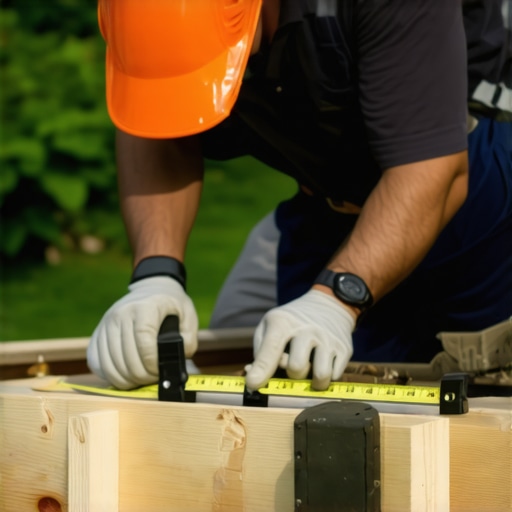
In my last project, I meticulously measured and assembled my framing, which prevented any sagging or squeaks later. Even though the process was messy and time-consuming, the stability and appearance of the finished deck validated the effort.
Install Decking Carefully for a Seamless Look
Lay your composite boards from the house outward, leaving a small gap between planks to allow expansion and facilitate drainage—this prevents cupping and warping. Use hidden fasteners if possible for a cleaner appearance. Follow the manufacturer’s instructions for spacing and screw placement, as improper installation can lead to early deck failure—irregular gaps and loose boards create trip hazards and aesthetic issues.
Incorporate Stylish and Safe Stairs
The stairs are the gateway to your outdoor space—design them to complement the deck and conform to safety standards. Use evenly spaced stringers with reinforced attachments, just like I did in my project, where I reinforced each step with steel brackets. Proper stringer attachment prevents wobbling and ensures longevity. For added safety and style, consider [top stairs designs](https://deckdesignbuild.com/elevate-your-home-top-stairs-designs-for-modern-outdoor-spaces) that fit your aesthetic and functional needs.
While many believe that choosing composite decking guarantees a maintenance-free outdoor space, the reality is far more nuanced.
What Most People Overlook About Composite Materials
Believing all composite decking is equally durable is a common misconception. In my experience, only high-quality mineral core composites sustain their appearance and structural integrity over time, especially in harsh weather conditions. Cheaper options often warp, fade, or develop mold, leading to costly replacements. This is backed by recent industry reports indicating that premium composites with mineral cores outperform PVC or capped-polymer variants in longevity and environmental resistance.
If you’re aiming for a truly lasting deck, don’t fall for the myth that all composites are interchangeable. Check out the latest trends on durable options to ensure your investment endures for years.
Maintaining a stunning and durable composite deck requires the right tools and a consistent approach. From cleaning to inspections, having specialized equipment not only saves time but ensures longevity. I personally rely on a high-powered pressure washer with adjustable pressure settings, like the Simpson MS60763S, which offers the precision needed to clean composite surfaces without damage. Regularly inspecting your deck with a durable flashlight such as the Maglite LED 3-cell ensures you catch issues like loose fasteners or warped boards early. For sealing joints and crevices, I recommend using a high-quality silicone caulk like GE Silicone II because it withstands outdoor elements and prevents water infiltration.
In terms of long-term results, investing in a deck-specific UV protectant—like Ready Seal—is a game-changer. It helps preserve the vibrant color of composite boards and reduces fading from sun exposure, keeping your outdoor living space inviting for years. Additionally, periodic treatment with mold and mildew cleaners such as Concrobium Mold Control can maintain a clean surface, preventing unsightly growths and structural concerns. These maintenance routines, coupled with routine visual inspections, form the backbone of a hassle-free outdoor area.
Looking ahead, I believe the integration of smart monitoring systems—like motion-activated cameras or moisture sensors—will become standard practice in deck maintenance. These technologies can alert homeowners to issues before they escalate, saving costly repairs.
How do I maintain composite decking over time?
Keeping your composite deck in top shape involves using the right cleaning equipment, such as a soft-bristle brush and a gentle, deck-specific cleaner, to prevent scratching and staining. Regularly check for loose screws or warped boards and tighten or replace as needed. I also recommend sealing every few years with a UV-protective finish to sustain its appearance. For a thorough, professional-quality refresh, consider scheduling an annual inspection with a deck expert—many can identify potential problems early, saving you money and stress.
For more detailed techniques on upkeep, you can explore [tips from expert deck builders](https://deckdesignbuild.com/transform-your-space-expert-deck-builder-tips-for-stunning-outdoor-living). Using these tools and methods, you’ll keep your outdoor oasis working seamlessly for seasons to come. Why not try applying a UV protectant this month to extend the lifespan and color vibrancy of your deck? It’s a simple step that makes a noticeable difference.
What I Wish I Could Tell My Younger Self About Deck Building
One of the most eye-opening lessons I learned is that not all materials age equally; I once chose a budget composite that warped within two years, which taught me to prioritize long-term durability over initial savings. Also, I realized that meticulous planning of support beams and proper foundation work paid dividends, preventing costly repairs later. Lastly, I discovered that engaging with experienced professionals early on can dramatically improve outcome quality and save time, something I wish I had done from the start.
Tools and Resources That Elevated My Outdoor Living Projects
For anyone serious about creating a resilient deck, I highly recommend investing in a top-grade pressure washer like the Simpson MS60763S—it’s exceptional for maintaining composite surfaces without damage. The Maglite LED 3-cell flashlight became invaluable for inspections, revealing issues invisible to the naked eye. When selecting materials, I turned to the latest industry reports on [composite decking trends](https://deckdesignbuild.com/composite-decking-trends-2025-the-ultimate-guide-for-outdoor-enthusiasts), which kept me ahead of the curve. For framing and structural integrity insights, consulting with a [professional deck builder](https://deckdesignbuild.com/the-benefits-of-working-with-a-professional-deck-builder-in-your-outdoor-projects) provided peace of mind and expert guidance—these tools and sources became game-changers for my outdoor spaces.
Build Your Outdoor Oasis: Embrace the Journey
Remember, transforming your backyard into a durable, beautiful outdoor living area is an ongoing journey filled with learning and small victories. Each project teaches something new—don’t be discouraged by setbacks. With patience, carefully curated resources, and a willingness to learn, you’re capable of creating a stunning outdoor deck that stands the test of time. Ready to take the first step? Share your biggest challenge or goal below, and let’s grow together in making outdoor dreams a reality.