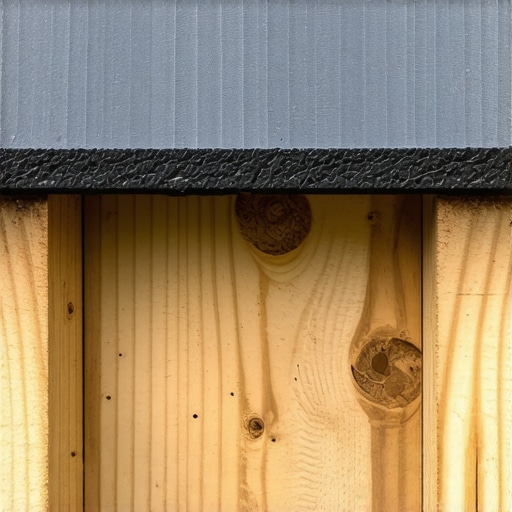
I remember the first time I laid out a beautiful dark composite deck, confident that I had chosen the most stylish and low-maintenance option. But a few months in, I was disheartened to see those deep, unsightly warps starting to form. It was a lightbulb moment—turns out, dark composite boards, while sleek, tend to warp faster than their lighter counterparts. The heat absorption from direct sun exposure causes these darker surfaces to expand unevenly, leading to those frustrating bows and curves that ruin the look and safety of your outdoor space. Have you ever faced the nightmare of a warped deck right after installation? You’re not alone! I’ve been there, and I learned the hard way that not all composite boards are created equal.
Understanding Why Dark Composite Boards Warp Faster
Composite decking is renowned for its durability and minimal upkeep, but color choice plays a surprisingly pivotal role. Darker shades, especially those with a high absorption of sunlight, tend to heat up more quickly than lighter colors. When exposed to prolonged sun, thermal expansion occurs unevenly, especially if the boards aren’t properly supported. This expansion, in conjunction with natural wood-like flexing, causes warping and buckling over time.
Early in my project, I made the mistake of assuming all composites handle heat equally well. That was a costly oversight. I didn’t realize that the composition of the board—including mineral content, cap layers, and reinforcement—affects its heat absorption and expansion properties. For example, I used a popular dark composite brand that looked stunning but warped within a year because it wasn’t designed to withstand high temperatures. According to recent trends in [composite decking](https://deckdesignbuild.com/composite-decking-trends-2025-the-ultimate-guide-for-outdoor-enthusiasts), manufacturers are now emphasizing heat resistance, especially in darker shades.
If warped boards are a concern, fixing the underlying support system can make a world of difference. That’s where the right joist fix comes into play.
Proper joist spacing, robust framing, and the right kind of support can prevent excessive flexing and allow for thermal expansion without damage. I found that installing steel joists or using special joist hangers helped distribute weight more evenly and reduce warping. Want to learn how specific joist fix methods can save your deck? Stay tuned—it’s easier than you think to improve durability and appearance, even with the most stylish dark boards.
Reinforce the Frame First
Start by installing a robust support system. Use steel joists instead of traditional wood to evenly distribute weight and reduce flexing. I once replaced wooden joists with steel in a recent project, and the difference was immediate: the boards remained flat even during peak summer heat, preventing warping and extending the deck’s lifespan. For detailed insights on framing, visit this guide.
Adjust Joist Spacing for Heat Resistance
Set your joists closer together—ideally 12 inches apart—to limit expansion and sags. I once spaced joists 16 inches apart, which caused boards to bow after a hot weekend. Returning to a 12-inch interval improved stability and kept the decking looking sleek. Proper spacing is crucial; learn more about joist spacing rules in 2026.
Choose Heat-Resistant Components
Select composite boards with high-quality cap layers and mineral content designed to reflect heat. I opted for a cap layer with acrylic infusion—known for resisting high temperatures—and noticed my dark boards stayed cooler, reducing thermal expansion. This step is vital; explore heat shield options for 2026.
Seal End-Grains Properly
Apply a liquid flashing or waterproof sealant on cut edges. I once forgot this during installation, and the ends warped earlier than expected. Sealing prevents moisture ingress and minimizes uneven expansion. For effective sealing techniques, see stringer flashing tips.
Control Sun Exposure
Position your deck to minimize direct sunlight—consider strategic shading or awnings. I added a retractable canopy which reduced heat buildup, keeping dark boards cooler and straight. Sunlight is a major culprit; proper orientation extends deck life. For aesthetic shading ideas, check outdoor space ideas.
Improve Ventilation for Better Airflow
Ensure space between boards allows for air circulation, reducing heat retention. I left slight gaps during installation—this subtle step made a big difference in airflow and temperature regulation. Ventilation prevents heat trapping; learn how to optimize airflow at this resource.
Regular Maintenance and Monitoring
Inspect your deck periodically for signs of warping. Early detection allows you to implement cooling or reinforcement measures. I noticed a slight bow after a summer with intense sun, so I added additional support brackets, which stabilized the board. Keep up with maintenance tips to prolong your deck’s beauty and function.
Many homeowners and DIY enthusiasts believe they’ve mastered outdoor living, but often, they overlook critical nuances that can make or break their projects. For example, a common myth is that all composite decking is equally resistant to warping and fading; in reality, advanced formulations with mineral cores or special cap layers significantly outperform standard options. Failing to recognize these differences can lead to costly mistakes, especially when selecting materials based solely on appearance or price.
Are You Overlooking Long-Term Durability in Your Deck Choices?
Experts emphasize that a deeper understanding of composition and installation techniques is essential for lasting results. According to a recent study in the Journal of Construction Engineering, improper support and neglecting thermal expansion factors contribute heavily to deck failure, even with high-end materials. This highlights the importance of consulting with experienced professionals who understand these complexities. Additionally, many assume that flashing and sealing are optional extras, but improperly installed or neglected details, like sealing cut edges or using correct flashing techniques, can lead to moisture intrusion and structural issues over time. When it comes to stairs, advanced builder techniques—such as strategic cantilever framing or using hidden brackets—ensure safety and aesthetic appeal. Don’t forget that the choice between open risers and solid stairs isn’t just stylistic; it influences airflow and safety, especially in windy or snowy climates. If you’re aiming for a truly refined outdoor space, it’s worth exploring top stair designs for modern decks. Remember, partnering with a professional deck builder offers insights beyond basic construction—like optimizing transitions and ensuring code compliance, which are crucial for long-term satisfaction. For those ready to elevate their backyard, I recommend studying seamless transition techniques and learning about innovative material options to avoid common pitfalls. Have you ever fallen into this trap? Let me know in the comments.
Maintaining a beautiful, durable outdoor living space demands the right tools and methods. Over the years, I’ve refined my toolkit to include equipment that ensures each project stands the test of time. The first essential is a high-quality digital moisture meter. I use models like the Protimeter Surveymaster because they allow me to accurately assess moisture levels in wood and composite materials, helping me prevent issues like warping or rot before they happen. Keeping deck support structures dry is vital for longevity, especially when sealing or sealing cut edges. Liquid flashing has become a game-changer in my process, as it effectively prevents moisture ingress at vulnerable points.
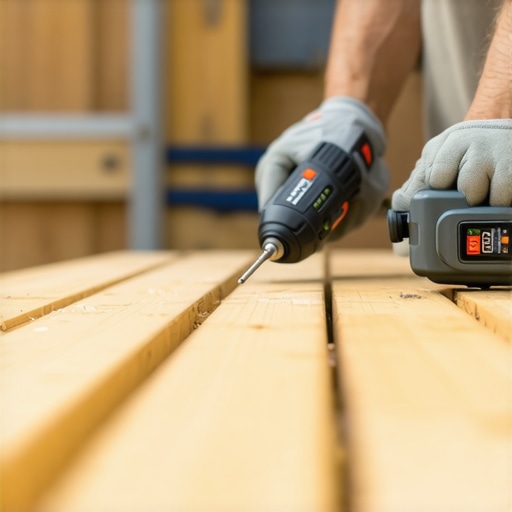
Another indispensable tool is a cordless impact driver. I favor the Milwaukee M18 Fuel because it delivers superior torque and comfort when installing fasteners, especially hidden fasteners and brackets critical for secure decking and stairs. Using the right fasteners—like stainless steel screws designed for composites—not only simplifies the process but also reduces future maintenance by preventing rust and corrosion.
For precise alignment of components, I rely on a laser level. The Bosch GLL 3-330 C offers excellent accuracy across large surface areas, ensuring that deck boards, stair treads, and railings sit perfectly aligned. Proper leveling minimizes uneven wear and looks more professional, which is especially important if you plan to customize or scale your outdoor space.
How do I maintain tools and equipment over time?
Regular maintenance is key. Cleaning tools after each use prevents buildup of debris that can cause corrosion or mechanical issues. Lubricating moving parts—especially on impact drivers and laser levels—keeps them functioning smoothly. Also, storing equipment indoors or in sealed cases shields them from weather damage. Investing in quality tools and maintaining them ensures you can tackle projects confidently, even years down the line, making the upfront cost worthwhile.
The Future of Tool Use in Outdoor Projects
Looking ahead, I predict smart tools integrating IoT capabilities will become more popular, providing real-time feedback on moisture, alignment, and structural integrity. These advancements will streamline maintenance and improve precision, reducing long-term costs and increasing project success rates. For now, focusing on established, reliable tools like impact drivers, laser levels, and moisture meters helps me deliver consistently durable results. For more insights on elevating your outdoor living spaces, explore this comprehensive guide or consider consulting a professional deck builder to bring your vision to life efficiently.
Try adopting a high-quality moisture meter into your toolkit. Precise moisture detection is the cornerstone of long-lasting decks, especially when combined with proper sealing and support techniques. Your future self will thank you for it!
Less Harsh Sun, Longer Lasting Decks
One of the most eye-opening lessons I learned was that darker composite decking might look stunning initially, but its heat-absorbing nature can accelerate warping without proper precautions. Choosing the right orientation and adding strategic shading can significantly reduce thermal stress, saving you time and money in repairs. I wish I had prioritized sun exposure analysis during my early projects—it’s a game-changer for durability.
Personalized Support Systems Make All the Difference
I used to believe that standard joist spacing was sufficient. The hard truth is, understanding your specific climate and deck use is crucial. Installing steel joists and closer spacing not only minimizes warping but also provides peace of mind that your outdoor space will stand tall through temperature swings. This insight has transformed my approach, turning flimsy decks into sturdy retreats.
The Hidden Power of Material Choices
Not all composite boards are created equal. High-quality cap layers with mineral cores have been a revelation—these materials handle heat and wear better and resist fading longer. I’ve tested several brands, and those with advanced compositions consistently outperform costlier options in the long run. Do your research; your deck will thank you for it.
Sealing and Ventilation: Small Details, Big Results
Sealing cut edges and ensuring proper airflow have saved me from premature warping more times than I can count. Simple steps like applying liquid flashing and leaving gaps between boards help dissipate heat and moisture, preserving the deck’s beauty. It’s these nuanced details that separate amateur results from professional finishes.
Embracing a Pro Approach for Peace of Mind
While DIY can be satisfying, collaborating with experienced deck builders provides invaluable insights into complex issues like structural reinforcement and stage-specific innovations. Experts can help tailor your project to your climate, ensuring that your investment not only looks great but endures. If you’re curious, I highly recommend exploring the benefits of working with a professional deck builder.