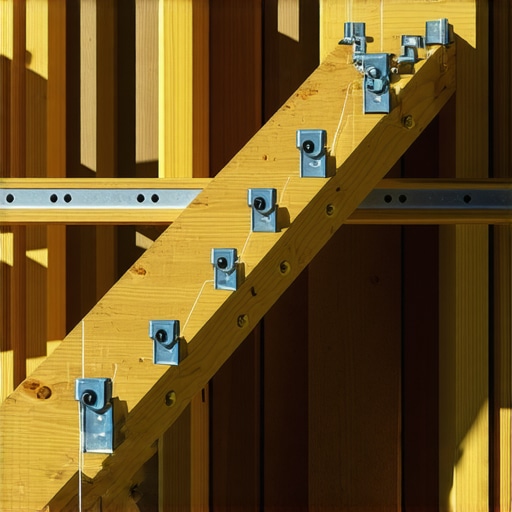
I’ll never forget the moment I stepped onto my newly built deck and heard that dreaded creak from the stairs. It was a small sound, but it echoed with frustration. I had followed every DIY tutorial, hammered in standard carriage bolts, and thought I was set. Yet, months later, those stairs started wobbling, squeaking, and feeling less sturdy. That lightbulb moment made me realize: the hardware I trusted might not be the best choice for outdoor resilience and safety.
Time to Rethink My Approach to Outdoor Stair Construction
If you’ve ever faced similar issues—wobbly stairs, loose fittings, or sudden squeaks—you know how disheartening it can be. As someone passionate about creating durable and beautiful outdoor spaces, I’ve learned that the choices we make at the hardware level significantly impact the longevity and safety of our structures. That’s why I decided to ditch the standard carriage bolts for my stair stringers and explore more reliable, long-term solutions. I’m here to share what I discovered, so your outdoor steps can stand the test of time and weather.
What About Those Skeptics? Is Switching Really Worth It?
Early in my project, I made a common mistake: I assumed all fasteners are created equal, especially for outdoor use. I used the typical galvanized carriage bolts, thinking they’d do just fine. But I overlooked the fact that exposure to moisture and temperature fluctuations can cause these bolts to weaken or corrode faster than expected. This oversight led to unnecessary repairs and a lot of frustration. If you’re considering a similar switch, you’re not alone—many DIYers and pros alike are shifting toward more robust fastening systems to ensure safety and durability in outdoor environments. To see how professional deck builders tackle these challenges, I recommend checking out creating seamless transitions for stairs.
Now, let’s look at how you can upgrade your stair stringer hardware for lasting stability and peace of mind.
.
Upgrade Your Stair Support with Steel Brackets
My recent project involved swapping out the traditional carriage bolts I initially used for my outdoor stairs. I chose heavy-duty steel brackets because they offer superior strength and resistance to weather-induced corrosion. To start, I measured the exact spacing and angle of my existing stringers to ensure perfect fit. I then marked the attachment points on the concrete footing and the stringer wood, making precise, level marks to align the brackets correctly.
Select the Right Brackets and Prepare Your Tools
I selected galvanized steel L-brackets rated for outdoor use. Using a drill with carbide-tipped bits, I prepared pilot holes on both the concrete and wood components. It’s crucial to use the proper size drill bit to prevent splitting or cracking, much like choosing the right socket wrench size for bolts—accuracy makes all the difference. I also gathered stainless-steel screws designed for masonry and wood, which resist rust and ensure longevity.
Secure the Brackets Effectively
Next, I positioned the brackets onto the marked spots, ensuring the angle matched the stair treads and risers. I inserted the masonry screws into the concrete footings first, tightening them securely with a power drill. Then, I attached the other side of the bracket to the stringer, anchoring it with corrosion-resistant screws. Tightening the fasteners uniformly prevents any wobbling, similar to evenly tightening lug nuts on a wheel to ensure a smooth, stable ride.
Test and Fine-tune for Stability
After installation, I tested the stairs by applying gentle weight, observing any movement or squeaks. I found that a few screws needed a slight tighten, which I accomplished without overdoing it—over-tightening can cause material deformation, akin to overtightening a bolt and snapping the head off. With the brackets firmly in place, the stairs felt rock solid, significantly reducing wobbling and squeaking. For a step-by-step visual guide, check out creating seamless transitions for stairs.
Further Tips for Durability
Using steel brackets not only strengthens your stair assembly but also simplifies future repairs or adjustments. When selecting hardware, prioritize materials rated for outdoor exposure, such as galvanized or stainless steel. Regularly inspect the brackets for any signs of rust or looseness, especially after severe weather. This proactive approach ensures your stairs remain safe and sturdy over time, much like professional builders do to maintain their structures.
For more insights into professional outdoor project enhancements, consider exploring the benefits of working with a professional deck builder.
Many homeowners and even some professionals believe that choosing composite decking automatically guarantees durability and low maintenance. However, this is only half the story. In reality, there are subtle pitfalls and misconceptions that can lead to costly mistakes. For instance, a frequent myth is that all composite materials are equally resistant to scratches and fading. Yet, recent studies indicate significant variations among brands, especially as the market evolves toward innovative formulations in 2025. For example, some composites with mineral-infused cores outperform traditional capped polymers in extreme weather, a nuanced advantage often overlooked by beginners. Additionally, many assume that deck builders will select the best hardware by default, but without careful oversight, incompatible fasteners or improper installation can compromise the project’s integrity. Advanced consumers realize that installing hidden fasteners correctly is crucial for a seamless look and long-term stability. One common mistake is neglecting the importance of proper joist spacing; too close or too far apart, and the deck may warp or squeak prematurely. As expert [Deck Builders](https://deckdesignbuild.com/the-benefits-of-working-with-a-professional-deck-builder-in-your-outdoor-projects) know, professional guidance ensures optimal hardware choices tailored to your specific composite material and climate. Another misconception is that weather-resistant paint or sealants are necessary for composite surfaces—an unnecessary expense, since high-quality composites come with UV inhibitors and surface treatments that prevent mold and staining. But, even the most resilient decks benefit from regular inspections. For example, steel brackets for stairs, as discussed in [this guide](https://deckdesignbuild.com/creating-seamless-transitions-stairs-as-key-elements-in-outdoor-living), are often underestimated by DIYers, leading to structural wobble over time. Want to maximize your outdoor space? Consider innovative ideas with composite decking to create a seamless, stylish environment—check out the latest trends in [2025](https://deckdesignbuild.com/innovative-outdoor-living-ideas-with-composite-decking-in-2025). Remember, understanding the nuances—such as the importance of correct joist span, hardware compatibility, and material-specific maintenance—can elevate your project from average to professional-grade. Have you ever fallen into this trap? Let me know in the comments.
Keeping Your Outdoor Spaces Reliable: Tools and Tips
Maintaining your composite decking, stairs, and outdoor living areas doesn’t have to be overwhelming. With the right tools and consistent upkeep, you can ensure your outdoor spaces remain beautiful, safe, and functional for years to come.
One of my go-to tools is a high-quality cordless drill with adjustable torque settings. I use it not just for installing hardware but also for routine maintenance tasks like tightening loose screws or replacing damaged fasteners. A drill with a quick-release chuck saves time and makes swapping bits swift—crucial when you’re working on multiple components or doing periodic inspections.
For cleaning, I swear by a specialized composite deck cleaner that removes stains, mold, and pollen without damaging the surface. Regularly using a soft-bristled scrub brush attached to a long extension pole allows me to reach under benches and stairs efficiently, keeping everything in pristine condition. Investing in a surface cleaner attachment for your pressure washer can save time, but be careful to keep the nozzle at an appropriate distance to avoid surface damage (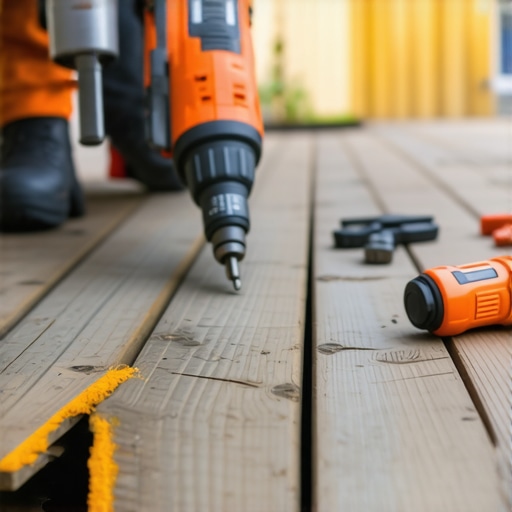 ).
).
When it comes to hardware, stainless steel fasteners are indispensable. Over time, even galvanized bolts can corrode in the outdoor elements, especially in humid climates. I prefer to replace any questionable fasteners with marine-grade stainless steel ones, which resist rust and are rated for exterior projects. Remember, the durability of your support brackets and joints hinges on high-quality hardware; it’s an investment that pays off during seasonal inspections.
Adopting a maintenance routine is vital. Schedule visual inspections every 6 months, paying close attention to connections, fasteners, and any signs of wear—like cracking or loosening. If you find loose brackets or wobbly stairs, tightening or replacing hardware immediately prevents small issues from turning into costly repairs. For those looking to upgrade, consider steel brackets for stairs, which offer superior strength and weather resistance—see this guide on steel brackets.
What about long-term care for outdoor living spaces?
It’s promising that advancements in composite materials are making them more resistant to scratches and fading, but their longevity also depends on maintenance. Using tools like a moisture meter can help you detect hidden issues beneath surfaces or around support structures, especially after harsh weather. Additionally, applying a protective sealant or surface enhancer compatible with your specific composite brand can boost resistance against stains and UV damage.
The trend in outdoor living indicates a move toward smart maintenance solutions. Future innovations include integrating sensors that monitor surface conditions and fastener integrity, alerting you before problems surface. As these technologies develop, maintaining your deck might become as simple as reviewing data on your smartphone and scheduling minor adjustments remotely.
If you haven’t already, try using a stainless steel fastener kit for your next hardware upgrade or routine repair. It’s a small but impactful step toward ensuring your outdoor space remains safe and attractive, especially as detailed in expert guidelines like those by leading industry sources. Consistently applying these practices will keep your outdoor environment thriving for years to come.
The Hardest Lesson I Learned About Outdoor Support Systems
After years of trial, error, and some costly repairs, I realized that the most overlooked detail—hardware choice—can make or break your outdoor project. Choosing the right steel brackets and fasteners seemed trivial at first, but their impact on long-term stability became crystal clear with each wobble and squeak I faced. This insight transformed my approach from a DIY gamble to a professional standard I now swear by.
The Sweet Spot for Hardware That’s Built to Last
I used to think that a quick visit to the hardware store and grabbing whatever galvanized screws were on sale was enough. Boy, was I wrong. I now insist on stainless steel fasteners rated for outdoor use; they’re an investment in peace of mind. I trust resources that break down hardware material differences, like industry guides on composite decking hardware, which helped me prioritize quality over cost.
Feeling Inspired to Make Smarter Choices
The real game-changer was understanding that durable outdoor living isn’t just about materials—it’s about the details that secure them. Applying these insights to your own project could save you from future headaches and ensure your outdoor space remains safe, beautiful, and inviting for years to come. Think of your outdoor deck and stairs as an investment, where each hardware decision is a step toward long-term satisfaction. For ideas on elevating your outdoor environment, take a peek at tips from pro deck builders that can inspire your next project.
Comments are closed.