
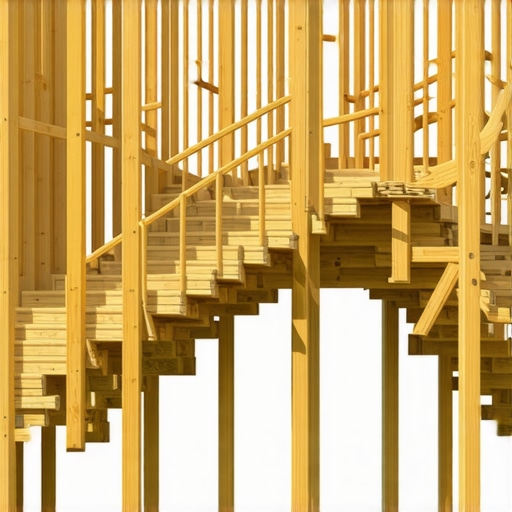
I remember the first time I stepped onto a new backyard deck, only to feel that tiny wobble under my feet. It was subtle, almost unnoticeable at first, but as I looked closer, I realized it was part of a pattern—stair framing flaws that many deck builders overlooked. That moment was a lightbulb for me. Even in 2026, some of the most common stair framing mistakes seem to persist, quietly sabotaging the safety and longevity of outdoor decks.
Why Ignoring Hidden Flaws Can Cost You Big Time
Choosing the right builder and paying attention to every detail can make or break your outdoor experience. These flaws often go unnoticed until they cause bigger issues—wobbly stairs, uneven steps, or even safety hazards. Early in my own projects, I made the mistake of thinking that standard framing was enough. I wish I had recognized how critical proper stair framing is to prevent future repairs and costly fixes. Did you know that according to a recent industry report, poorly constructed stairs are among the top causes of outdoor deck failures? Maintenance and repair costs can skyrocket if these mistakes aren’t addressed from the start, and they can even compromise the structure’s safety.
Are You Really Sure Your Deck Stairs Are Safe?
Many homeowners don’t realize that even small framing flaws can lead to significant safety concerns over time. I’ve seen decks where stairs looked fine visually but creaked or shifted when used—clear signs that hidden flaws were at play. This is exactly why understanding these common pitfalls is essential, especially with the trends heading into 2026. If you’ve ever wondered whether your outdoor stairs are built onto a solid foundation or if they’re likely to sway or wobble, keep reading. We’ll uncover these common mistakes and, more importantly, how to avoid them.
Curious if your deck’s stairs are up to the upcoming safety standards? Check out our guide on [designing safe and stylish stairs for outdoor decks in 2025](https://deckdesignbuild.com/designing-safe-and-stylish-stairs-for-outdoor-decks-in-2025), and learn what you need to know before your next project. Now, let’s dive into the three hidden flaws that could be silently undermining your outdoor space—and what you can do about them.
Start with a Precise Foundation
Before building your stairs, ensure the ground and support structure are level and solid. I once skipped this step on a small backyard project, assuming the uneven terrain was tolerable, but within months, the stairs wobbled severely. To avoid this, use a self-leveling laser and a compact tamping bar to prepare a flat, stable base, especially when working with soft soil or uneven concrete. Proper foundation prevents wobbles and reduces future repair costs. For more about the importance of stable bases, check out our article on seamless transitions in outdoor living.
Measure and Mark with Exactitude
Accurate measurements are your best tool for stairs that look professional and are safe. I once measured a staircase with a tape that stretched slightly, leading to uneven risers. Instead, I now use a combination of a framing square and a carpenter’s level, verifying each marking multiple times. For varying ground elevations, incorporate adjustable stringers—these act like the backbone of your stairs—allowing precise control over the rise and run of each step, ensuring uniformity. Want to see how to plan elegant stairs? Visit staircase design ideas for outdoor living.
Use Quality Materials and Proper Joinery
Choosing durable, slip-resistant composite decking for your steps is crucial. I experimented with budget lumber once, and within a year, the risers split and warped under weather stress. Now, I select composite materials with high grip textures and UV resistance, which stand up to the elements. When attaching stringers to the deck structure, use galvanized or stainless steel fasteners—these resist rust and maintain stability over time. Think of it as the gear that keeps your outdoor structure safe and sturdy; neglecting it is like sending your deck on a ticking time bomb. For safety standards, explore designing safe and stylish stairs.
Install with Precision and Safety in Mind
When it comes time to set your stair components, take your time. I once rushed the installation, resulting in uneven riser heights and a shaky feel underfoot. Instead, I now use a combination of a crowbar for fine adjustments and a laser level to align each step horizontally. Secure each stringer firmly to the deck with heavy-duty hardware, ensuring there’s no wobble once assembled. Don’t forget to incorporate appropriate riser heights—ideally 7 to 8 inches—to meet safety standards and provide comfortable footing. For aesthetic inspiration, check out innovative outdoor living ideas in 2025.
Finish with Attention to Detail
Adding non-slip treads and proper lighting enhances safety and usability. I once installed sleek, smooth steps that looked great but became dangerously slippery when wet. Now, I opt for textured surface coatings and install low-voltage LED lighting to illuminate each step edge, helping prevent trips after sunset. Think of these finishing touches as the jewelry on an outfit—small details that make a significant difference in both safety and style. For more tips on outdoor lighting, visit smart lighting for outdoor stairs.
Many homeowners and even some professionals believe that choosing premium materials alone guarantees a durable and safe outdoor space, but the truth is far more nuanced. For example, a common misconception is that composite decking is inherently maintenance-free; however, without proper installation and regular inspections, even the highest-quality materials can deteriorate prematurely. Experts like those cited in the industry highlight that installation precision and ongoing maintenance are critical to longevity, emphasizing that materials are just one piece of the puzzle.
Why Do Some Decks Fail Despite Using Top-Notch Materials? The Hidden Factors
One often overlooked aspect is the quality of framing and construction techniques. For instance, improper spacing or inadequate support can lead to sagging or wobbling, issues that are often blamed on material quality but are actually due to structural flaws. Moreover, a trap many fall into is ignoring environmental influences—insufficient drainage or poor site assessment can cause moisture buildup, accelerating wood rot or composite degradation. This pitfall underscores the importance of consulting with a professional deck builder who understands local climate nuances and adheres to best practices, as detailed in our article on working with a professional deck builder.
Have you ever fallen into this trap? Let me know in the comments.
Another common myth is that larger or more intricate stairs automatically improve safety or aesthetics. While design complexity can offer visual appeal, it can also introduce hidden pitfalls, like uneven rise and run, which compromise safety and comfort. Advanced builders pay close attention to detailed measurements and support positioning, often using tools like laser levels and adjustable stringers to ensure consistency—details that may seem minor but are crucial for durable, stylish stairs. For more insights on designing safe and elegant stairs, check out creating seamless transitions in outdoor living.
Being aware of these nuanced factors can save time, money, and frustration. If you’re planning a new deck or stairs, remember that thoughtful planning, proper installation, and ongoing maintenance are your best allies—regardless of how premium your materials are. Want to master these details? Explore our comprehensive guide on designing safe and stylish stairs for 2025 and turn your outdoor vision into reality.
Keeping your deck and outdoor stairs in top shape involves not just initial construction precision but ongoing maintenance with the right tools. I personally rely on a combination of high-quality power equipment and specialized cleaning products to ensure longevity and safety. For example, I use a cordless oscillating multi-tool for precise sanding and minor repairs, which is lightweight yet powerful enough to handle composite materials without damaging them. This tool allows me to reach tricky corners and edges that traditional sanders might miss, saving time and effort while maintaining a smooth surface.
Another essential piece in my toolkit is a digital moisture meter. Given that moisture is one of the leading culprits in composite degradation and wood rot, monitoring environmental conditions proves invaluable. It helps me decide when to apply sealants or perform inspections, especially in climates prone to heavy rain or humidity. Investing in a reliable moisture meter, like the Tramex device, has helped prevent issues before they start, extending the lifespan of outdoor structures.
For cleaning, I recommend a pressure washer with adjustable settings. I prefer models that allow me to dial down the pressure when cleaning delicate composite surfaces, preventing surface damage. Using a biodegradable, low-bleach cleaning solution formulated specifically for composite decking ensures that I remove grime without compromising material integrity. Regular gentle cleaning, instead of aggressive scrubbing, maintains the aesthetic appeal and structural safety of your deck and stairs, especially as trends like textured and slip-resistant surfaces grow in popularity. To stay ahead, I follow guides on cleaning composite decking.
How do I maintain outdoor stairs over time?
Routine inspections are key. I personally schedule a biannual check to assess for signs of wobbling, cracking, or deterioration. Tightening loose fasteners, replacing worn composite treads, and sealing joints with high-grade outdoor caulks form part of my maintenance protocol. Upgrading to larger, heat-resistant fasteners has also been a game-changer as it reduces maintenance frequency and enhances safety, aligning with predicted trends in 2026 for longer-lasting outdoor living spaces. Also, using a laser level during inspections ensures each step remains perfectly aligned, preventing dangerous wobbles and trips. For comprehensive tips, check out making outdoor stairs safer.
Looking ahead, I believe the integration of smart monitoring sensors into decks will revolutionize maintenance. Sensors embedded in support posts could alert homeowners to moisture or movement issues in real time, enabling proactive repairs. Combining these with professional-grade tools like drone inspections in large or complex setups will define the future of outdoor maintenance. However, even with advanced tech, a good understanding of fundamental tools and regular upkeep remains irreplaceable — so start by trying out a moisture meter or pressure washing with adjustable settings today. For further insights on long-term strategies, revisit long-lasting outdoor deck maintenance.
Lessons Only Insiders Usually Discover
- One of my biggest realizations was that every wobble or wobble-free deck is rooted in foundation decisions I overlooked early on. It’s tempting to focus on the surface, but the secret to lasting stairs lies beneath—literally. Making sure support posts are precisely level and supported by well-compacted soil can save you years of headaches.
- The mistake I see most often is underestimating the importance of uniform measurements. Small discrepancies can lead to uneven risers and unsafe steps. Tools like adjustable stringers and laser levels aren’t just luxury—they’re necessities to avoid those sneaky, dangerous wobblings that can creep up over time.
- I used to believe that investing in premium composite materials meant I could skip detailed joinery or quality fastening. Turns out, even the best materials will falter if you neglect proper attachment techniques. Galvanized fasteners and meticulous support placement are the unsung heroes in preventing costly repairs later.
My Toolbox for Building Safe, Stunning Outdoor Stairs
- High-Quality Power Tools: A cordless oscillating multi-tool has transformed how I perform minor repairs and refinishing, ensuring precision without damage. It’s reliable, versatile, and essential for maintaining composite decking and stair surfaces.
- Moisture Meter: Knowing when and where moisture accumulates helps me prevent rot and degradation. I trust the Tramex moisture meter because it gives me real-time insights into environmental risks, letting me act before problems become visible or costly.
- Pressure Washer with Variable Settings: Gentle but effective cleaning preserves the textured surface of composite materials. Using biodegradable cleaning solutions keeps the deck looking fresh without harming the environment—an important factor as trends lean toward eco-conscious outdoor spaces.
- Laser Level and Support Clips: These tiny tools ensure every step is perfectly aligned, making the difference between a professional-looking staircase and one that wobbles or wavers over time. Attention to detail like this pays dividends in safety and aesthetics.
Keep Your Outdoor Space Looking Sharp and Safe
You don’t have to accept the status quo of uneven, unsafe deck stairs. By embracing continuous learning and investing in the right tools and techniques, you can transform your outdoor living area into a safe, stylish retreat. As trends like longer-lasting materials and smart monitoring emerge, staying informed will give you a competitive edge. For insights on how to incorporate these innovations, explore our extensive ultimate outdoor living guide.
Remember, the secret to durable, beautiful stairs isn’t just in the materials you choose but in the craftsmanship and maintenance habits you develop. Regular inspections, timely repairs, and thoughtful upgrades ensure your outdoor stairs remain safe and inviting for years to come. If you’re ready to take your deck and stairs to the next level, consider consulting with professionals who understand the nuanced needs of modern outdoor spaces. You can find more about the benefits of working with a qualified deck builder in our detailed guide to professional deck construction.