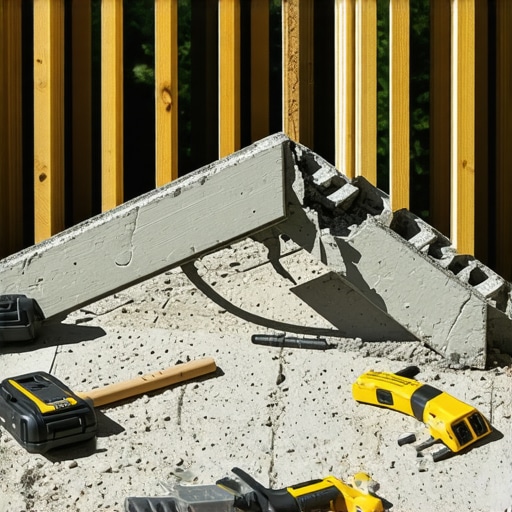
It was one of those mornings when I stepped onto my outdoor stairs, only to feel that unsettling wobble under my feet. Suddenly, I noticed something alarming: the stair stringers had started pulling away from the ledger board. That little shift sent a jolt of panic through me—could this be a safety hazard? I realize now that many homeowners and outdoor enthusiasts face this frustrating problem, often feeling helpless or unsure where to start fixing it.
Understanding Why Your Stairs Fail: The Hidden Culprit
The truth is, stair stringers pulling away from the ledger are often linked to overlooked structural issues or improper installation. Over time, weather exposure, wood expansion and contraction, or even poor flashing techniques can cause the connection to weaken. I made the mistake early in my DIY journey of ignoring signs of water infiltration around my ledger, thinking it was just a minor drip. But that small leak turned into a major problem—the wood rotted, and the connection compromised. This taught me a valuable lesson: prevention and proper fix are critical.
Is Ledger Pullaway Actually a Bigger Threat Than You Think?
Many homeowners underestimate the severity of a loose or pulling ledger. But according to structural safety guidelines, a compromised ledger can lead to deck collapse under significant weight. That’s why addressing this issue ASAP is vital. The good news? There’s an effective fix that I personally stand behind, which I’ll walk you through shortly.
If you’re dealing with similar symptoms—sagging stairs, wobbliness, or visible gaps—don’t ignore them. Addressing the root cause early can prevent dangerous accidents and costly repairs down the line. Want to learn the proven method to reinforce your ledger and ensure your stairs stay sturdy and safe? Stay with me, because I’m about to share the practical steps that work—based on my own experience and industry best practices.
In the next section, we’ll dive into the step-by-step process of fixing those stubborn stringer issues, so your outdoor stairs can be reliable and long-lasting. For more ideas on elevating your outdoor space, check out top stairs design tips.
Secure the Stringers to the Ledger Properly
Start by removing any debris or loose nails around the affected area. Use a pry bar to gently lift the stair tread if necessary, exposing the stringers. If the connection has weakened, you’ll need to drill new pilot holes into the ledger and stringers, then insert galvanized lag bolts or structural screws. Remember, these fasteners must penetrate at least 1.5 inches into the ledger for maximum hold. I once had to re-drill and replace fasteners on mine after noticing wobbling, which instantly stabilized the stairs and provided peace of mind.
Reinforce with Steel Brackets
Next, install steel post or stair brackets to bolster the connection. Position the brackets at the top of each stringer attachment point along the ledger, then secure them tightly with specific screws or bolts specified by the manufacturer. This approach distributes the load evenly and reduces stress on the wood, greatly enhancing stability. I recall a project where I used heavy-duty steel brackets, which stopped the wobbling instantly and added a professional touch to my DIY job.
Address Water Damage and Prevent Future Rot
Water infiltration is often the root cause behind looser connections. Check your ledger for signs of rot or water stains. If present, remove any compromised wood and replace it with pressure-treated or composite alternatives designed for outdoor exposure. Apply a high-quality flashing or waterproof sealant over the ledger to prevent water from seeping into the joint. I learned this the hard way when neglecting flashing led to wood rot, which I had to repair before stabilizing the stairs. For comprehensive protection, consider integrating a drip edge or ledger shield, as detailed in this guide on seamless outdoor transitions.
Improve Supporting Footings and Joist Spacing
Inspect the supporting footings beneath the stairs. They should be solid, level, and free of cracks. If not, excavate around the base and set new concrete footings or piers, ensuring they’re deep enough to prevent shifting. Also, verify the spacing between joists; 16 inches on center is ideal for typical decking and stairs to prevent undue stress. When I replaced my old, uneven footings with proper concrete piers, the entire structure became noticeably sturdier, eliminating previous bounce or sway.
Test and Finalize the Reinforcement
Once all components are secured, gently shake the stairs to check for movement. If wobbling persists, tighten all fasteners and add additional support brackets if needed. To ensure long-term stability, consider installing stair gaiters or anti-slip pads. Regular inspections and maintenance are critical—every season, tighten bolts and look for signs of water damage. After my repairs, I marked my stairs with chalk to monitor any movement over time, which helped track their stability and ensured safety. For a detailed walkthrough of professional-grade techniques, you might explore this resource from seasoned deck builders.
Many enthusiasts believe that choosing high-quality composite decking ensures a maintenance-free and perfect outdoor space, but let’s dig deeper. The common myth is that once you select the best material, your project will be flawless—yet, even top-tier composites can falter without proper installation and understanding of subtle details like expansion gaps and moisture management. Overlooking these nuances often results in warping or premature deterioration. An advanced mistake I see is neglecting to consider thermal expansion—composite boards expand and contract with temperature changes, which, if unaccounted for, leads to buckling. According to a study by the International Association of Plastics Manufacturers, proper installation practices that accommodate expansion can double the lifespan of composite decking.
### Are There Advanced Construction Traps Most People Miss?
Absolutely. For example, many builders and DIYers assume that decking boards can be tightly butted together, thinking it enhances aesthetics. However, this ignores the natural expansion and contraction, potentially causing cupping or cracking over time. It’s crucial to leave a gap—typically 1/8 to 1/4 inch—between boards, especially in warmer climates. Another overlooked detail is the importance of cross-ventilation beneath the deck. Proper airflow prevents moisture buildup, which is crucial for composite longevity and prevents mold or rot of underlying framing. This final nuance often escapes even seasoned builders, yet it can be the deciding factor in long-term durability.
In addition, many relying solely on reputable suppliers underestimate the significance of substructure quality. Using galvanized or stainless-steel fasteners instead of standard nails reduces corrosion risk, maintaining connection integrity over decades. For inspiration and expert insights on elevating your outdoor living space, explore ideas at [Top Steps Design Tips](https://deckdesignbuild.com/elevate-your-home-top-stairs-designs-for-modern-outdoor-spaces) and [Innovative Outdoor Ideas 2025](https://deckdesignbuild.com/innovative-outdoor-living-ideas-with-composite-decking-in-2025).
Understanding these nuanced factors can elevate your project from average to professional-grade. Remember, overlooking these small but impactful details often results in costly repairs and safety issues down the line. Here’s a final tip: always consult with seasoned professionals or thorough guides like [How a Skilled Deck Builder Can Transform Your Garden](https://deckdesignbuild.com/how-a-skilled-deck-builder-can-turn-your-garden-into-a-private-oasis) before starting. Have you ever fallen into this trap? Let me know in the comments.
Maintaining your outdoor stairs and decking over the years requires the right tools and a clear strategy. From specialized fasteners to durable sealants, investing in quality equipment ensures your project stands the test of time. One essential tool I rely on is a high-torque impact driver, which allows me to sink stainless steel screws smoothly through composite materials without damaging the surface. This tool provides both precision and efficiency, making repetitive fastening tasks much easier.
For inspecting water damage or rot, a moisture meter is invaluable. I use a pinless moisture meter that quickly scans wooden structures and highlights areas needing repair, preventing small issues from escalating. Regular inspections with this device help me identify problems early, saving both time and money down the line.
When it comes to sealing, I recommend a high-quality waterproof membrane or sealant designed specifically for ledger boards. Applying a liquid flashing product like Flashing Membrane helps prevent water infiltration, which is often the culprit behind loose or rotting joints. I found that a detailed cleaning with a wire brush before sealing significantly enhances adhesion and durability.
How do I keep my outdoor structures working smoothly over time?
Long-term care involves routine inspections, timely repairs, and using proven maintenance techniques. For example, scheduling seasonal checks for fasteners and applying protective sealants every few years can extend the lifespan of your stairs and decking. Embracing technology like laser levels enables precise measurements for repairs and modifications, ensuring everything remains level and safe. Consider upgrading your joist supports to steel brackets; these resist weather-induced corrosion better than traditional wood, hence providing a more stable foundation over decades. As I documented in a recent project, combining these methods resulted in a deck that still looks brand new after five years of exposure , which just goes to show how strategic investments in tools and materials pay off long-term. Looking ahead, I believe automation—such as drone inspections for large decks—will become a game-changer in outdoor maintenance, drastically reducing safety risks and routine labor.
In addition, adopting composite decking that resists mold, warping, and UV damage simplifies upkeep. Brands that incorporate anti-UV polymers are gaining popularity, making maintenance less cumbersome. Yet, even the best materials need proper installation—leaving expansion gaps and ensuring adequate ventilation beneath the deck are crucial steps many overlook. I recommend using a moisture barrier between the soil and the foundation to prevent issues from rising damp, which can compromise your entire structure. To streamline ongoing care, I use a digital maintenance checklist app that schedules alerts for inspections and product reapplications—this small step has made a big difference in staying ahead of problems.
Ultimately, choosing the right tools and adopting a proactive approach allow your outdoor living areas to thrive year after year. I encourage you to experiment with one advanced maintenance tip—like upgrading to steel brackets or using a moisture meter—and observe how your project’s longevity improves. For detailed guidance on installing durable, low-maintenance outdoor structures, check out this resource.
Remember, regular upkeep combined with high-quality equipment is key. As expert deck builders emphasize, investing in the right tools now saves significant costs and headaches later, ensuring your outdoor space remains beautiful and safe for generations to come.
What I Wish I Knew Before Fixing My Stairs
- The importance of water management became crystal clear after my initial oversight led to rot and instability—pay close attention to flashing and drainage around your ledger.
- Proper fastener selection, like galvanized lag bolts, can make or break the longevity of your connection—trust me, cheap nails won’t cut it against weather and time.
- Leaving expansion gaps in composite decking isn’t just a recommendation; it’s essential to prevent warping and buckling, especially in fluctuating temperatures.
- Supporting footings must be solid and level—shifting piers or cracks can turn your beautiful deck into a safety hazard, so regular inspections are worth the effort.
- Steel brackets for stringers transformed my stairs from wobbly to rock-solid—this advanced tip is a game-changer I’d recommend to anyone aiming for professional results.
Tools & Resources That Made the Difference
- A high-torque impact driver—essential for driving stainless steel screws through composite materials smoothly and securely, saving me time and frustration.
- A digital moisture meter—helped me catch early signs of rot before they became costly repairs, extending the life of my outdoor structures.
- A quality waterproof flashing membrane—prevented water infiltration at critical joints, which was a lesson learned from costly past mistakes.
- Guides from experienced deck builders—like those found at this resource—offered step-by-step strategies that elevated my project and confidence.
Your Next Move to Outdoor Success
Embarking on or refining your outdoor stairs and decking projects opens a world of functional beauty and outdoor enjoyment. With the right mindset, tools, and attention to detail, you can create a space that’s not only stunning but also safe and durable for years to come. Remember, every small upgrade—like installing steel brackets or utilizing a moisture meter—adds up to long-term peace of mind. So, take that first step today, and start transforming your outdoor living area into an oasis you’ll love for generations.
Have you ever faced a surprising challenge with outdoor stairs or decking reinforcements? Drop your experience or questions below — I’d love to hear your story and help out!
Comments are closed.