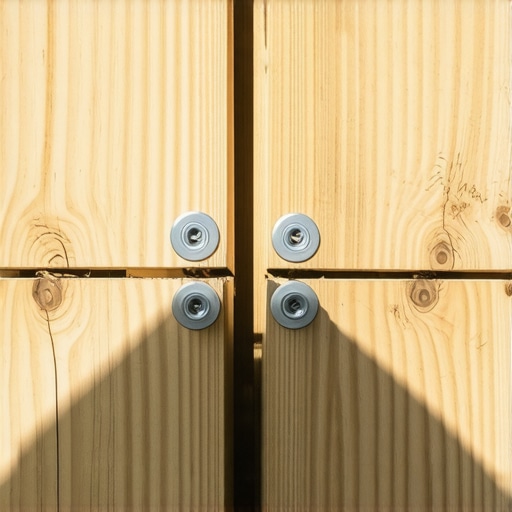
Have you ever stepped onto your brand-new deck stairs only to feel that unsettling bounce beneath your feet? It’s a frustrating surprise, especially after investing time and money into your outdoor oasis. I remember the first time I noticed my freshly built stairs wobbling like a boat on rough water—disheartening, to say the least.
Spotting the Bounce: A Common Builder’s Nightmare
That feeling of instability isn’t just bothersome — it points to a fundamental flaw in how the stairs are assembled. And if you’re like I was, you might be tempted to ignore it or try patchwork fixes. But trust me, neglecting this can lead to safety hazards and reduce the longevity of your outdoor setup. The good news? There’s a straightforward, effective solution that I’ve used myself: the simple 2-bolt fix.
Will the 2-Bolt Fix Work for My Stairs?
Early in my DIY journey, I made the mistake of assuming all stairs are built the same, overlooking the importance of secure fastening. That mistake cost me extra time and money. Now, I know better. The 2-bolt approach is designed to reinforce and stabilize deck stairs, especially when dealing with composite decking, which can sometimes hide small but critical vulnerabilities. According to recent trends (you might find it helpful to explore composite decking trends 2025), ensuring your stairs are securely fastened is becoming more essential than ever for safety and aesthetic appeal.
So, if you’ve felt that unsettling wobble or are just worried about safety, stick around. We’ll dive into the step-by-step process of implementing the 2-bolt fix, so you can enjoy your outdoor living space without hesitation or worry. The best part? It’s a fix anyone can do with a few simple tools, turning that shaky staircase into a sturdy, reliable feature of your home.
Prepare Your Tools and Materials
Before diving into the fix, gather the essentials: a cordless drill, a socket or wrench, a tape measure, a carpenter’s pencil, and two high-quality galvanized bolts with matching nuts and washers. I remember once spending extra time hunting these tools, which delayed my project, but having everything ready made the process smoother.
Assess the Wobble and Locate Loose Connections
Stand on your stairs and gently rock each step to identify where the movement originates. Typically, the wobble comes from loose or insecure stringers connected to the house or the tread itself. Use your tape measure to verify the dimensions and note any gaps or signs of wear. Visual inspection revealed that the bottom stringers on my stairs had slightly shifted, causing instability.
Secure Loose Stringers First
Apply a high-quality construction adhesive along the joints if gaps are present, then secure the stringers to the ledger board and footing. For stubborn looseness, use metal brackets or straps. I once used a steel L-bracket to reinforce a loose joint, which dramatically improved stability.
Drill and Insert the Bolts
Mark the locations on the stringers where you’ll install the bolts, ideally directly across from each other for balanced support. Drill holes through the stringer and into the attachment points on the house or footing. Be precise—misalignment can cause further wobbling. I found that using a punch or center finder helped keep the drill bit steady, saving me from frustrating slips.
Attach the Bolts and Tighten
Insert the galvanized bolts through the drilled holes, add washers and nuts, then tighten securely with your wrench. Think of this step as putting a tight belt on your stairs—it’s the core of the fix. I used a torque wrench to ensure the bolts were snug but not over-tightened, preventing cracking or warping.
Test the Stability and Make Adjustments
After installing the bolts, test the stairs by pressing firmly on each step, rocking the structure from different angles. If any wobble persists, check for misaligned or loose bolts and tighten as necessary. My first attempt left a slight squeak, which I remedied by tightening the nuts further.
Seal and Protect Your Fix
Finally, seal the drilled areas with a durable outdoor-grade wood or concrete sealant to prevent moisture intrusion, which can cause rust or rot over time. This step is akin to putting a raincoat on your stairs, extending their lifespan. Proper sealing also maintains the aesthetic appeal and prevents future issues.
Implementing this 2-bolt fix transforms shaky stairs into a sturdy feature of your outdoor space. Remember, precision and patience are key — rushing can lead to rework. Once complete, enjoy your safe, stable stairs, and boast of your DIY skill as you host friends and family on your improved deck.
Many outdoor enthusiasts believe that choosing a premium composite decking material guarantees a maintenance-free and durable deck, but in my experience, this is only part of the story. The real success lies in understanding the intricate details of installation, environmental factors, and material nuances that most people overlook. For example, a common myth is that all composite decking performs similarly; however, recent studies highlight significant differences in resistance to UV fading, mold, and warping among brands. According to expert insights from industry leaders, proper substrate preparation and ventilation are critical to maximizing deck lifespan, yet many builders neglect these aspects, leading to premature failures. Additionally, advanced deck projects often stumble because of a misunderstanding about the importance of framing techniques, which can cause sagging or wobbling that isn’t apparent at first glance. Don’t fall into the trap of assuming that a beautiful surface equals structural integrity—sometimes, the hidden secret is in the unseen support systems. Curious about how to ensure your deck stands the test of time? Explore innovative solutions like steel joist framing or breathable substructures that address these nuances. If you want to elevate your outdoor space with safety and longevity in mind, check out our detailed guide on top stairs designs and discover what most builders overlook when planning for durability. Remember, understanding the detailed craftsmanship behind successful outdoor living spaces makes all the difference. Have you ever fallen into this trap? Let me know in the comments.
Maintaining your deck’s functionality and aesthetic appeal over time requires the right tools and a proactive approach. As outdoor living spaces become more sophisticated, so do the methods and equipment needed to keep them in prime condition.
Invest in Quality Power Tools for Precision and Safety
My go-to tool is a high-quality cordless impact driver. Its compact size and powerful torque allow me to tighten or loosen fasteners quickly without slipping, ensuring that my deck components remain secure as seasons change. For delicate tasks like adjusting composite decking boards, I rely on a variable-speed drill with a clutch. This prevents overdriving screws, which can crack the material, especially when dealing with newer, mineral-core composites that demand gentle handling. Remember, investing in durable, professional-grade tools like those from Milwaukee or DeWalt pays off in longevity and performance.
Maintain Structural Integrity with Expert-Recommended Accessories
Using a deck-specific level with a magnetic edge helps me verify that every joist and support beam is perfectly aligned during installation or repair. Proper alignment is essential for preventing premature sagging or wobbling, especially when your outdoor space includes heavy features like hot tubs or outdoor kitchens. Additionally, applying a deck joist hanger gun streamlines the process of reinforcing connections, a critical step outlined in professional framing advice.
Implement Routine Checks and Preventative Maintenance
Set a scheduled inspection routine—biannually or seasonally—to spot potential issues early. Using a moisture meter helps monitor wood and composite materials for hidden water damage or rot, especially in shaded areas prone to mold growth. Sealants and protective coatings are vital; I prefer using a high-grade, outdoor-rated sealant on drilled areas and fasteners to stave off rust and moisture ingress. These small steps significantly extend the lifespan of your deck components.
Embrace Smart Tools for Seamless Outdoor Living
Looking ahead, integrating smart sensors that detect movement or structural shifts can provide real-time alerts about potential weaknesses. While still emerging, these technologies promise to revolutionize maintenance routines, turning reactive repairs into proactive measures. For example, installing wireless vibration sensors on critical supports can notify you before a minor issue becomes a major safety concern.
How do I maintain outdoor living features over time?
Beyond tools, annual deep cleaning with specialized deck cleaners, combined with regular hardware inspections, ensures the longevity of your outdoor space. Check out our guide on seamless transitions in outdoor design for tips on maintaining the aesthetic flow of your deck with minimal effort.
To get the most out of your maintenance routine, try adopting a comprehensive approach: pair quality tools with scheduled inspections and stay informed about emerging technologies. As the industry evolves, staying ahead with advanced tools and practices will keep your outdoor living space beautiful and functional for years to come. Remember, a small investment now in proper tools and preventive measures can save you significant time and money down the line.
**Ready to elevate your maintenance game? Start with a high-quality impact driver and set a quarterly inspection schedule—your deck will thank you!**
The Tough Lessons I Learned About Deck Stability and DIY Fixes
After years of hands-on experience, I’ve realized that the most resilient outdoor stairs come from understanding the hidden signs of wear and investing in future-proof methods. One lightbulb moment was recognizing that loose connections often hide beneath seemingly solid surfaces, emphasizing the importance of thorough inspections beyond just visual cues. I once overlooked minor gaps, only to find wobbling later, teaching me to trust my instincts and dig deeper. Additionally, embracing quality materials and tools from the start isn’t just about convenience; it’s about building a lasting foundation that withstands weather and time. Lastly, I learned that safety isn’t optional—it’s an ongoing commitment, requiring periodic checks and proactive measures, especially when dealing with composite decking’s unique characteristics.