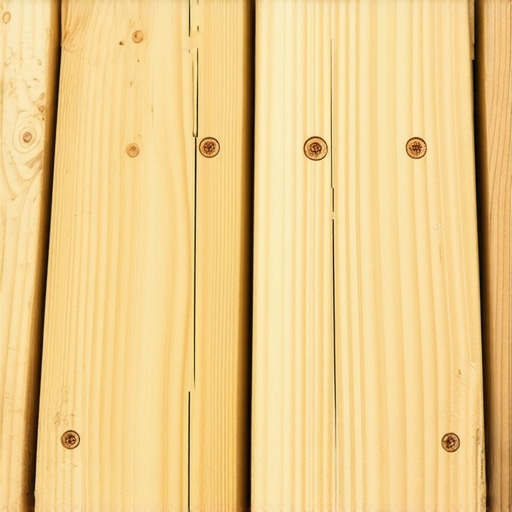
Picture this: you step onto your deck stairs, eager to enjoy the fresh air and the view, only to be greeted by an annoying squeak each time you ascend or descend. It’s like your stairs are whispering their frustration every time someone uses them. I faced that exact moment early in my DIY outdoor projects, and let me tell you, it was less charming than I expected. Those squeaks can turn outdoor leisure into a squirmy annoyance fast.
The Frustration of Noisy Stairs
At first, I thought it was just normal wear and tear. But after a while, the noise grew louder, and I realized it was more than a minor nuisance — it was a sign that my stairs weren’t just noisy, they were potentially unsafe. That’s when I dove into solutions, seeking quick fixes that wouldn’t require ripping everything apart. What I discovered was a simple, effective method involving just three screws, and it might change how you think about squeaky outdoor stairs too.
Is a DIY Fix Worth the Hassle, or Should I Call the Pros?
Early on, I made the mistake of assuming I needed a full rebuild or a professional opinion to fix my squeaks. But with some guidance, I found that a straightforward approach could save time and money. According to experts, simple adjustments often do the trick for squeaking steps — it’s more about knowing where to look and how to tighten the right spots. If you’re like me, eager to enjoy your outdoor space without the constant squealing, this fix might just be your new best friend.
Now, let’s get into why your stairs squeak and how the three-screw fix can bring peace to your outdoor living area. Keep reading, because I’ll also share some common pitfalls to avoid to ensure your project is a success. And if you’re interested in turning your entire outdoor space into a stunning retreat, check out some inspiring deck and stair ideas that can elevate your home’s curb appeal.
,
Secure the Loose Boards
Start by inspecting each step closely to identify which boards are loose or squeaking. I remember a summer afternoon when I noticed my stairs creaking louder with each step. I took a screwdriver and checked the screws underneath each tread. The culprit was a few loose screws causing the board to shift slightly. Tightening these screws with a power drill instantly quieted the squeak, restoring peace to my outdoor space. Use galvanized or stainless-steel screws to prevent rust and ensure longevity. Remember, uneven tightening can cause additional creaking, so tighten each screw firmly without overdoing it.
Apply Lubricant to Joints
Sometimes, squeaks aren’t just due to loose fasteners but also dry wood-on-wood contact. I applied a silicone-based spray or WD-40 to the joints between the tread and the stringers. To access tight spots, I used a straw attachment to direct the lubricant precisely where needed. This step reduces friction and quiets squeaks without disassembling anything. Be cautious—avoid getting lubricant on the composite decking surface as it could be slippery or stain the material. This minor maintenance can dramatically improve comfort and safety when using your stairs.
Reinforce the Supporting Structures
If tightening screws and lubing joints isn’t enough, consider adding a few support brackets or backer blocks. I once reinforced a set of stairs by installing pressure-treated wood blocks behind the stringers, then securing them with heavy-duty screws. This added support distributes weight more evenly and prevents movement that leads to squeaking. When doing this, ensure the new supports are level with existing structures to avoid creating uneven steps. Reinforcing is especially crucial if your stairs are old or have heavy traffic, extending their lifespan and maintaining safe, quiet use.
Check for and Fix Warped or Damaged Parts
Warped or cracked boards can cause instability and squeaks. I found an older tread that had warped over time, causing it to rub against neighboring boards. Replacing damaged parts with new composite boards from a reputable supplier ensures a tight fit and reduces noise. Match the color and texture for seamless appearance and avoid using softwoods or untreated materials that are prone to rotting. Proper material selection and timely replacement keep your outdoor stairs safe, durable, and quiet for years to come.
Prevent Future Squeaks with Regular Maintenance
Routine inspections and preventive measures can save you from constant squeaks. I schedule biannual checks to tighten screws and reapply lubricant as needed. Keeping debris and moisture away from the joints minimizes decay and movement. Additionally, considering upgrading to composite decking with mineral cores can withstand the elements better and maintain stability longer. For inspired ideas on enhancing your outdoor space post-fix, visit deck and stair ideas. By staying proactive, you prevent squeaks before they start, ensuring your outdoor retreat remains enjoyable and safe.When it comes to upgrading outdoor living spaces, many assume that choosing composite decking is a straightforward, maintenance-free solution. However, as an experienced deck builder, I can tell you that there are nuanced pitfalls and misconceptions lurking beneath the surface. One common myth is that all composite materials are created equal; in reality, the composition, especially regarding mineral cores versus wood fibers, dramatically affects durability and performance. For example, mineral core technology, as discussed in this guide, prevents expansion and warping, which are frequent issues with traditional composite boards. Overlooking this can lead to premature deck failure, especially in climates with temperature fluctuations.
Another misconception is that professional installation isn’t vital. Many DIY enthusiasts think they can save money by skipping expert help, but in my experience, improper framing or stair support design can cause sagging, creaking, or even safety hazards over time. A professional deck builder ensures proper load distribution and compliance with local codes, which is crucial for longevity and safety. For insights into how expertise transforms outdoor projects, check out this article.
Advanced builders also beware of the trap of oversimplifying stair design. Not all stairs are safe or comfortable—they require precise riser and tread dimensions, especially on wide or multi-level decks. A common mistake is installing single stringers on wide stairs, which can lead to sagging and dangerous movement. Instead, spacing stringers correctly and supporting every step prevents future problems. For a deeper dive into stair safety, see this resource.
It’s tempting to think that routine maintenance like tightening screws or cleaning is enough to keep composite decks pristine. But neglecting issues like improper drainage or failure to reinforce supporting structures can accelerate wear. I recommend regular inspections and considering innovative enhancements, such as hidden fasteners and proper flashing, to extend your deck’s lifespan. For advanced tips, explore this guide.
In summary, the world of composite decking and outdoor stairs is filled with subtle nuances that can make or break your project’s success. Don’t fall into the trap of oversimplification. Instead, invest in quality materials, seek professional guidance when needed, and pay attention to detail. Want to see more expert insights to elevate your outdoor space? Visit these inspiring ideas and take your outdoor living to the next level. Have you ever fallen into this trap? Let me know in the comments.
Keep Things Running Smoothly: Tools I Trust for Deck Maintenance
Maintaining your composite deck and outdoor stairs requires precision and the right equipment. I highly recommend investing in a cordless impact driver, like the Makita XDT14, because it provides the right torque for tightening or loosening fasteners without stripping screws or damaging materials. When securing new boards or reinforcing supports, using a pneumatic nailer—such as the Bostitch BTFP12233—ensures quick, consistent fastening with minimal effort, reducing the risk of misaligned or overdriven nails. For detailed inspections, a digital moisture meter like the Protimeter MMS2 helps detect hidden issues like moisture intrusion or wood rot behind the composite layers, preventing potential failures before they become obvious. Regularly cleaning your deck with a soft-bristle scrub brush and a high-quality composite deck cleaner keeps surfaces looking fresh and prevents mold buildup. I personally prefer the Wet & Forget Outdoor Cleaner because it simplifies maintenance—just spray it on, and the environment takes care of the rest. Remember, a well-maintained deck not only lasts longer but also remains a safe and inviting outdoor space.
How Do I Maintain Long-Term Functionality of Outdoor Living Spaces?
Consistency is the key. Schedule biannual inspections to tighten loose fasteners and reapply lubricants to squeaky joints, especially before seasons with heavy foot traffic or harsh weather. Using barrier tapes or water-resistant sealants on vulnerable joints and supports adds an extra layer of protection against moisture and temperature fluctuations, which are common culprits in composite deck aging. Additionally, advanced techniques like installing hidden fasteners and drainage channels can divert water away from critical areas, thus reducing decay and prolonging the life of your structure. As outlined in this guide, mineral-core composite boards are gaining popularity because they significantly minimize expansion and contraction issues, making maintenance simpler and more predictable over time. Moving forward, I predict that incorporating smart sensors that monitor moisture and structural integrity will become standard, allowing homeowners to receive real-time alerts before problems escalate. To adopt some of these innovative methods, try installing support brackets that reinforce your stairs and avoid sagging, ensuring a safe, durable outdoor environment for years to come. For more expert tips on transforming your outdoor space, check out this article and elevate your home’s exterior today.
Three Hidden Lessons from My Deck Renovation Journey
- Don’t underestimate the power of proactive support: I once overlooked reinforcing a support bracket, leading to future squeaks and instability. Strengthening structures early on saves headaches later.
- Choose materials with longevity in mind: My experience with composite boards without mineral cores taught me that quality materials mean less maintenance and more peace of mind over time.
- Simple fixes often pack the biggest punch: Tightening screws and applying lubricant can dramatically reduce squeaks, proving that you don’t always need complicated solutions.
- Stainless steel screws: I trust these for rust resistance and durability, especially in outdoor environments.
- Impact driver: It made fastening and unfastening quick and strain-free—an essential tool for routine maintenance.
- Composite deck cleaner: Like Wet & Forget, it keeps my deck looking fresh without harsh scrubbing.
- Expert articles and guides: Resources like this guide are invaluable for understanding material nuances and avoiding costly mistakes.
Tools and Resources That Transformed My Approach
Your Path to a Safer, Quieter Outdoor Oasis
Embarking on your own deck and stair upgrades is a rewarding endeavor that can elevate your outdoor experience. Remember, the smallest adjustments—like tightening screws or selecting the right materials—can have a significant impact on safety and comfort. With patience, proper tools, and a bit of expert insight, you’ll soon enjoy a serene, squeak-free outdoor space that’s both beautiful and durable. Ready to transform your outdoor living area? Dive into the possibilities and make your dream deck a reality.
Have you faced a tricky staircase fix before? Share your stories below—I’d love to hear what worked for you!
}# Answer