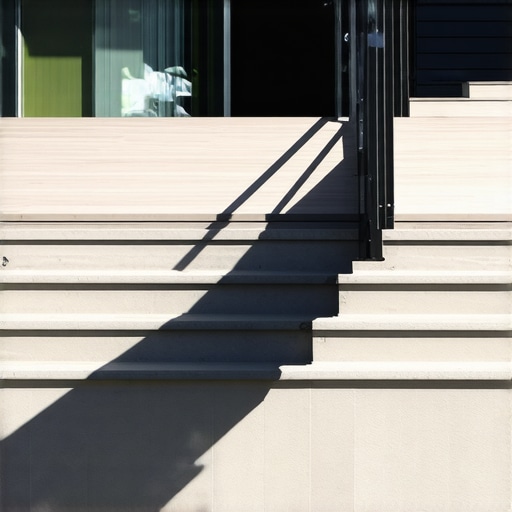
I remember the first time I slipped while descending my outdoor stairs. My foot caught unexpectedly, and in that split second, I felt vulnerable—no sturdy hand to hold onto, just the slick, ungraspable railing. That moment was a wake-up call. It was no longer about aesthetics or following building codes; it was about safety. Every step I took, I wondered if I was prepared for that inevitable slip or stumble. It was then I realized just how crucial a graspable handrail is, not just for compliance but genuinely for protection.
Ensuring Safety Matters More Than Ever
Imagine hosting a family barbecue or relaxing with friends on your deck. Everything looks perfect—your newly installed composite decking shines, the furniture is inviting, and the atmosphere is perfect. But beneath all that, if your stair railing isn’t easy to grip, you’re risking a fall that could turn a joyful day into a disaster. According to the CDC, falls are one of the leading causes of injury among outdoor adults, often involving deck stairs. This is why a graspable handrail isn’t a luxury—it’s a necessity. An experience I had early on was installing a sleek, modern-looking railing without considering how people would actually hold onto it. Let’s just say, that was a mistake I quickly learned from when I had a close call.
Is a fancy railing enough if it isn’t graspable?
Many DIY enthusiasts, including myself initially, fall into the trap of prioritizing looks over function. I thought a minimalist design was enough, but I overlooked the importance of the shape and texture of the handrail. A stylish but slick rail can be just as dangerous as no rail at all. Building codes often specify the required graspability for safety, but I learned the hard way that aesthetics should never compromise accessibility. For more insights on creating safe outdoor stairs, check out my favorite guide on designing safe and stylish stairs.
Have you ever faced a slip or near-fall on your deck stairs? If so, you’re not alone. Addressing this issue early can prevent accidents and give you peace of mind when unwinding outside. Next, I’ll walk you through the key reasons why a graspable handrail is the game-changer your deck deserves—and how to get it right.
Choose the Right Material for Your Handrail
Start by selecting a material that balances durability, grip, and aesthetics. Composites like capped polymer offer smooth textures, but make sure they aren’t too slick when wet. I once bought a sleek stainless-steel handle that became dangerously slippery after rain; so, opt for textured finishes or rubberized grips. This choice directly impacts safety, especially in climates with frequent rain or dew. Consider reviewing latest composite decking trends to choose materials that complement your overall design while maintaining safety standards.
Measure and Plan Your Handrail Layout Carefully
Use a laser level or long carpenter’s level to mark the desired height—generally between 34 to 38 inches above the stair nosings. I once misjudged the height, resulting in a handrail too high for comfortable grip, which I corrected by re-measuring and adjusting. Proper measurement ensures the handrail is graspable and accessible for all users. It’s crucial to plan for continuous gripability along the entire ascent and descent, mimicking a smooth curve on a race track. For inspiration on seamless transitions in outdoor designs, check out this guide.
Use the Proper Tools and Hardware
Gather drill bits, masonry anchors if attaching to concrete, and stainless-steel fasteners resistant to corrosion. In one project, I used standard screws that quickly rusted and loosened, compromising safety. Now, I invest in hardware rated for outdoor use, especially stainless steel or galvanized options. Pre-drill holes to prevent splitting the material and ensure secure attachment. Remember, the stability of your handrail depends on using the correct fasteners—think of it as the backbone protecting your family. To learn more about fastening techniques, see this article.
Attach the Handrail with Focus on Grip Accessibility
Secure the handrail to sturdy posts, ensuring it runs continuously along the entire staircase. Use brackets or mounts that provide a rounded, textured surface, avoiding sharp edges. When I installed my own, I used heavy-duty brackets with rounded edges, which made gripping comfortable, even when hands were wet or dirty. The key is to position supports at regular intervals—roughly every 4 feet—so there are no loose spots. This consistency helps prevent accidental slips. For advanced mounting options that blend aesthetics with function, consider consulting fastener recommendations.
Test the Graspability and Adjust as Needed
After installation, test the grip in different conditions—wet, cold, and with gloves. I once installed a railing and failed to test after rain; discovered that the grip was slick, prompting a quick addition of textured adhesive grip tape. Always check that the handrail is firmly anchored and comfortable to hold. Small adjustments, like adding a rubber sleeve or textured strip, can make a significant difference. Safety should never be compromised for style. For tips on maintaining and testing outdoor handrails, see this guide.
While it’s common to focus on the visible aspects of outdoor stairs and decking, many homeowners and DIYers miss the critical nuances that determine long-term safety and functionality. One widespread misconception is that choosing aesthetically pleasing materials alone guarantees durability. In reality, it’s the subtle details—like grain orientation, material properties under various weather conditions, and proper installation techniques—that can make or break your project. For example, I once installed beautiful composite boards without considering their expansion and contraction tendencies, which led to warping within a year; a stark reminder that understanding material nuances is essential.
Many assume that adhering to building codes is enough, but codes often represent minimum standards, not optimal solutions. For advanced outdoor projects, integrating expert insights—such as incorporating concealed fasteners or designing for seamless transitions—can elevate your space beyond standard expectations. Check out this resource for ideas on achieving fluid outdoor spaces.
A common trap is underestimating the importance of detailed planning for drainage and moisture control. Poorly managed water runoff can lead to rot, even with the most resistant materials. For instance, I neglected to include proper drainage gaps during my first deck build, which caused persistent moisture issues. It’s fascinating how small design adjustments—like slight slope or integrated gutters—can significantly extend the lifespan of your outdoor structures.
What are the most overlooked details that influence deck longevity and safety?
Advanced builders pay close attention to hidden factors—such as the quality of fasteners, the choice of treatment for pressure-treated wood, and buffer zones for temperature-induced expansion. According to an industry expert, neglecting these can result in costly repairs and safety hazards over time. For example, using only coated screws instead of stainless steel fasteners in coastal areas can lead to premature corrosion, compromising structural integrity. To explore the latest trends and techniques that ensure your outdoor space stands the test of time, visit this comprehensive guide.
The takeaway is clear: Mastering the nuances in stairs and outdoor decking isn’t just about aesthetics—it’s about understanding the intricate details that influence durability, safety, and overall user experience. Have you ever fallen into this trap? Let me know in the comments. Remember, a well-designed outdoor space combines beauty with meticulous attention to these hidden factors for truly exceptional results.Maintaining your outdoor deck and stairs requires more than just periodic cleaning; it involves using the right tools and techniques to ensure long-term durability. One indispensable tool I personally swear by is a **laser level**. Unlike traditional bubble levels, a laser level offers precision over large areas, ensuring that your handrails and decking are perfectly aligned, which is crucial for both safety and aesthetics. When installing or maintaining composite decking, I always use a **cordless impact driver** with a torque setting calibrated for soft materials to prevent overdriving screws that could damage the composite surface or compromise hold. This helps me ensure that fasteners are secure without risking stripping or damaging the material, especially important when working with newer trends like *composite-influenced adhesives* for seamless transitions.
For cleaning, I recommend a **deck-specific pressure washer** with adjustable PSI (around 500-600 PSI). Over 1500 PSI can damage composite surfaces, and I’ve seen DIYers ruin their decks by using too high pressure. I prefer models with adjustable pressure and rotating brushes, making cleaning more efficient without risking damage. Regular maintenance also includes inspecting and sealing any exposed wood components, using products like a **penetrating deck sealer** designed specifically for pressure-treated lumber, to prevent moisture infiltration and rot. According to industry expert Bob Ryley, regular re-sealing after cleaning can extend your deck’s lifespan by years, especially in humid or salty environments.
Incorporating **drip edge flashing** during construction, especially at critical junctures like ledger boards, prevents water intrusion and rot, maintaining deck integrity over decades. A tip I’ve learned from professional builders is to use **stainless-steel fasteners** exclusively because they resist corrosion from moisture and salt, which is vital if your deck is near the coast or in a damp climate. With these tools and strategies, your outdoor space can remain stunning and safe for years.
Predicting future trends, I believe integrated **smart maintenance systems**—such as moisture sensors and auto-cleaning features—are on the horizon. These innovations could revolutionize how we care for outdoor structures, reducing manual effort and preventing issues before they escalate.
How do I maintain my deck and stairs over time?
Regular inspections are key. Check for loose fasteners, signs of rot, or water damage at least twice a year. Clean your surfaces with eco-friendly deck cleaners and avoid abrasive tools that can scratch the surface. Reapply sealers or protective coatings as recommended—usually every 2-3 years depending on climate—and always address issues promptly to prevent small problems from becoming costly repairs. Incorporate this routine into your dock or deck maintenance plan, and you’ll keep your outdoor living space both beautiful and safe. For detailed guidance on long-term maintenance, visit this comprehensive resource. Try upgrading to a laser level for your next project—precision tools make a noticeable difference in quality and safety.Reflecting on my journey with outdoor stairs and composite decking, I realized that the most impactful lessons came from unexpected challenges and mistakes. One deep insight was understanding that aesthetics should never overshadow safety; a stylish handrail is pointless if it’s slippery or hard to grip. Experimenting with different materials and textures taught me that textured finishes or rubberized grips are essential for reliable graspability, especially in unpredictable weather. Over time, I also learned that precise measurement and thoughtful planning—like using a laser level for consistent height—make all the difference in creating a safe, accessible outdoor space. These personal experiences underscored the importance of paying attention to details that often go unnoticed but critically influence durability and safety. Now, I approach each project with a mindset focused on balance: beautiful design paired with practical safety features that truly protect loved ones.