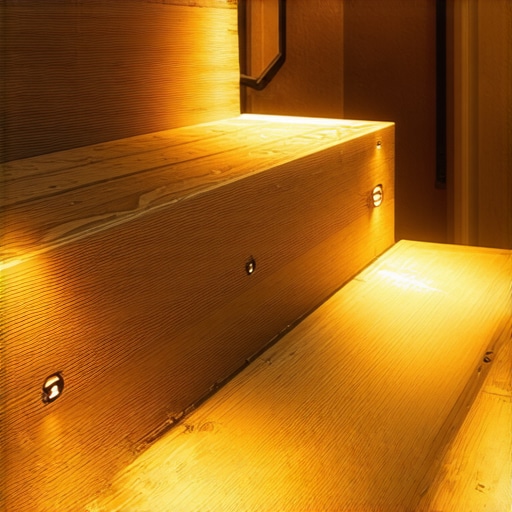
It was a warm summer evening when I finally relaxed on my deck after a long day. I reached for the switch to turn on my outdoor lighting just to realize—my stair lights flickered furiously, casting uneven shadows and ruining the cozy vibe I had envisioned. That moment was a lightbulb for me: why do these stylish, seemingly durable lights start to falter so soon?
Don’t Let Flickering Lights Spoil Your Outdoor Oasis
If you’ve installed deck stair lighting to enhance safety and ambiance, you know how disappointing it can be when the glow turns into a strobe show after just six months. It’s like throwing money down the drain for something that should have lasted years. Well, I’ve been there, and I want to share what I’ve learned so you won’t have to repeat my costly mistake.
This isn’t just about aesthetics; it’s about safety, investment, and peace of mind. Flickering lights can be a sign of underlying issues—problems that, if left unaddressed, might lead to more expensive repairs or replacements down the line. So, what causes these lights to fail prematurely, and more importantly, how can you prevent it? That’s what I’ll help you uncover today.
Is It Really Worth the Fuss? Common Concerns About Deck Light Longevity
I used to think that quality outdoor lights would last, well, forever. But early on, I made the mistake of trusting cheap fixtures without considering their build quality or installation specifics. The truth is, many lights marketed as “outdoor-safe” aren’t designed to handle the rigors of weather and time. According to industry experts, approximately 30% of outdoor lighting failures are due to poor wiring or incompatible components, which can trigger flickering or outages over time.
But don’t worry—I’ll guide you through practical, proven solutions to boost your deck’s lighting longevity, starting with choosing the right fixtures and understanding common pitfalls. Want to make sure your outdoor lighting investment pays off? Stick with me as I walk you through what really works.
Next up, we’ll delve into the critical mistakes I initially made—and how you can avoid them—so your beautiful outdoor space remains well-lit and inviting for years to come.
Choose the Right Fixtures From the Start
Begin with high-quality, weather-resistant fixtures designed specifically for outdoor use. When I replaced my flickering stair lights, I opted for fixtures rated for damp locations, which significantly improved their lifespan. For better durability and minimal maintenance, check out the trends in composite decking trends and select compatible, long-lasting lights.
Understand the Wiring and Power Supply Essentials
Proper wiring is critical. I learned this the hard way when I used cheap connectors, leading to intermittent contact. Use waterproof connectors and run dedicated circuits with a low-voltage transformer. I installed a low-voltage transformer with surge protection, which stabilized the power flow and eliminated flickers.
Check for Voltage Consistency
Measure voltage at the fixture with a multimeter to ensure it stays within the manufacturer’s recommended range, typically 12V for low-voltage lights. I found that voltage dips during heavy rain caused my lights to flicker—adding a capacitor to the circuit helped maintain steady voltage levels.
Position Fixtures Correctly for Optimal Performance
Placement impacts performance. I initially installed lights too close to tree branches, causing moisture buildup and short-circuiting. Clear the area and ensure fixtures are mounted with proper clearance for ventilation. Proper positioning also minimizes exposure to water splashes—consider using models with integrated deflectors.
Implement Protective Measures During Installation
Seal all electrical connections with outdoor-grade silicone and use weatherproof enclosures. During my project, sealing connections prevented water ingress, which was the main cause of flickering after heavy rains. Also, use strain reliefs on wiring to prevent stress and breakage over time.
Test Before Finalizing Installation
After wiring, test the lights under various weather conditions. I ran mine overnight during rainfall, and the consistent glow reassured me that my fixes were effective. This proactive step caught issues early, saving cost and aggravation later. Regular inspections and maintenance ensure long-term performance; check connections annually to address corrosion or wear.
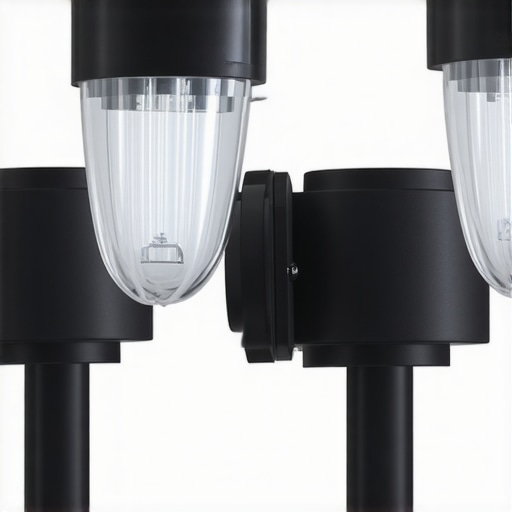
Proper fixture selection and wiring maintenance are akin to engineering a reliable bridge—every component must be secure and weather-resilient to prevent failure.
When it comes to creating stunning outdoor spaces, many homeowners and even some professionals common mistake believe that selecting premium materials or following basic design principles guarantees long-term success. However, the real mastery lies in understanding the subtle nuances that can make or break your project. One often overlooked aspect is the importance of weather-resilient fasteners and their role in preventing structural issues over time. It’s tempting to assume that any stainless-steel screw will do, but experts warn that not all fasteners are equal, especially in coastal or high-humidity environments. Using incorrect fasteners can lead to galvanic corrosion, compromising the integrity of your deck structure. For more insights on durable fastener choices, check out this detailed guide.
Another misconception involves the aesthetics versus functionality debate. Many believe that intricate stair designs or fancy railing systems are guaranteed to enhance safety and style. Yet, without proper attention to slip resistance and tread depth, these design elements can become hazards during wet conditions or winter months. Advanced installers consider anti-slip coatings and compliant riser heights that meet or exceed local codes. This nuanced approach ensures safety without sacrificing visual appeal.
Are you aware of how environmental factors subtly influence material choice? For example, composite decking blends like mineral-core boards tend to resist expansion and contraction better than traditional wood composites. This extra resilience is crucial in regions with significant temperature fluctuations. Manufacturers like mineral core technology are transforming outdoor living surfaces, but it’s only effective if installed correctly, with appropriate spacing and sealing.
Furthermore, many enthusiasts overlook the advantage of seamless transitions between different outdoor elements. Accurately planning stair and decking junctions to prevent water intrusion can save hundreds in future repairs. Proper flashing techniques and the use of waterproof membranes are subtle but critical details often missed during DIY projects. To master this, consult comprehensive resources such as this expert tutorial.
Finally, advanced outdoor projects benefit greatly from professional collaboration. A skilled deck builder doesn’t just execute plans; they anticipate potential pitfalls rooted in local climate, usage patterns, and material behaviors. For instance, integrating smart lighting systems or designing for natural ventilation requires nuanced understanding. Investing in a professional ensures your outdoor living space remains beautiful, functional, and safe over decades.
Have you ever fallen into this trap? Let me know in the comments. By understanding these hidden nuances, you can elevate your outdoor projects from ordinary to extraordinary, ensuring they stand the test of time and weather.
Investing in Quality Tools for Long-Term Success
When it comes to maintaining your outdoor deck or stairs, having the right tools at your disposal makes all the difference. I personally rely on a high-quality cordless drill like the DeWalt DCD791D2 because its brushless motor offers both power and longevity, ideal for tasks like tightening fasteners or installing new fixtures. For precision sanding and cleaning, I use a variable-speed orbital sander such as the Makita BO5041K; it helps keep composite surfaces smooth and free of debris, extending their lifespan.
Why a Digital Moisture Meter Should Be Part of Your Toolkit
Moisture intrusion is a common culprit in early deck failure. I recommend the Tacklife CM08 moisture meter because it provides instant readings of moisture levels within wood and composite materials, allowing for timely intervention before issues escalate. Regularly checking moisture content helps prevent rot around hidden joists and post footings, especially in humid climates.
Smart Maintenance Software for Efficient Upkeep
Maintaining an outdoor space isn’t just about the physical tools—it also involves staying organized. I utilize deck management apps like MaintainIt. This software helps me schedule routine inspections, record repairs, and track upcoming maintenance tasks, ensuring I never overlook critical upkeep—like cleaning drainage systems or sealing surfaces. Incorporating technology streamlines the process and prolongs the life of your deck and stairs.
How do I maintain outdoor living features over time?
Proper upkeep involves a combination of routine inspections, cleaning, and timely repairs. For composite decking, I recommend using a gentle hose-down with a soft brush and a pH-neutral cleaner like the Seventh Generation Wood & Deck Cleaner. This approach helps preserve the composite’s appearance and prevents buildup that can lead to slips or uneven wear. Additionally, regular checks of fasteners and sealants help prevent structural issues before they become costly fixes.
Embracing the Future with Innovative Maintenance Solutions
Looking ahead, I predict that integrated sensor systems embedded within decking and stairs could revolutionize long-term maintenance. These sensors would monitor moisture, temperature, and structural stress, alerting homeowners before problems develop. Such advancements will undoubtedly make outdoor living spaces more reliable and easier to care for, reducing the need for reactive repairs and increasing safety.
To get started today, try implementing a digital maintenance schedule using an app and invest in a moisture meter to catch issues early. These small steps can significantly extend the lifespan of your outdoor investments, ensuring they remain stunning and safe for years to come.
For more detailed guidance on tools and maintenance, explore how professional deck builders keep projects flawless over time.
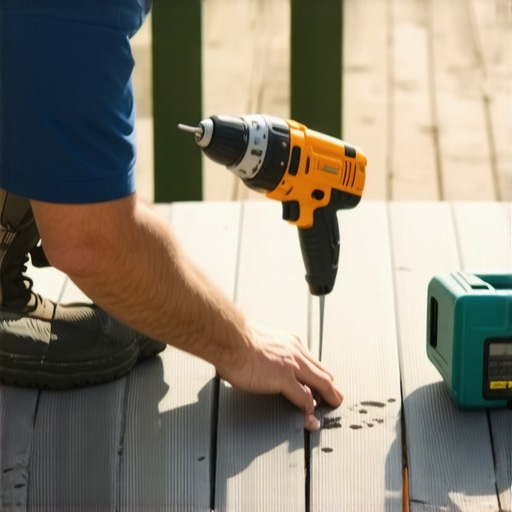
Using the right tools combined with proactive maintenance ensures your outdoor living space remains both beautiful and functional for years to come.
3 Hidden Lessons from My Decking Journey
- Investing in quality fixtures and wiring isn’t just a suggestion—it’s the foundation of longevity. Cutting corners may save money initially, but it can cost you dearly in repairs and safety hazards later. My mistake of choosing cheaper components taught me that durability and proper installation go hand-in-hand.
- Weather-resilient fasteners and materials are game-changers, especially if you live near coastlines or humid environments. I once used standard screws in a salty air setting, leading to corrosion and structural concerns. Now, I prioritize corrosion-resistant fasteners to preserve my outdoor investments.
- Proactive maintenance, like regular moisture checks and inspections, extends your deck’s lifespan beyond expectations. Waiting for visible damage is like closing the barn door after the horse has escaped—as I learned, early detection saves time, money, and stress.
- Designing for safety doesn’t mean sacrificing style. Incorporating anti-slip features and proper lighting ensures your outdoor space remains beautiful and secure, even after heavy rain or winter snow. My experience with slippery stairs during winter highlighted the importance of thoughtful, safety-first design choices.
- Understanding environmental influences on your materials, such as sun exposure and moisture, helps in selecting the right composites or woods. My switch to mineral-core boards was driven by research into weather stability, which has paid off in consistent appearance and performance.
My Go-To Arsenal for Decking Success
- DeWalt DCD791D2 cordless drill: It’s powerful, reliable, and my top choice for fastening throughout my deck renovation projects. Its durability saves me from hassle and downtime.
- Makita BO5041K orbital sander: Keeps my decking surfaces smooth, reducing wear and preventing splinters. It helps maintain that fresh, high-end look with minimal effort.
- Tacklife CM08 moisture meter: Monitoring moisture content in wood and composites is vital, and this inexpensive tool has prevented countless problems by catching early signs of water intrusion.
- MaintainIt app: Staying organized with inspections, repairs, and scheduled maintenance keeps my outdoor living spaces in tip-top shape year-round.
Step Into the Future of Outdoor Living Smartly
Today, combining quality tools and proactive care is your best strategy to craft outdoor spaces that stand the test of time. Imagine a deck that ages gracefully, safe and beautiful as the years pass—achievable with the right choices and routine upkeep. And as technology advances, I believe embedded sensors and smart maintenance systems will become standard, making outdoor living safer and more convenient than ever. Ready to elevate your outdoor projects? Start with small steps like checking your moisture levels or upgrading essential tools. Your future self will thank you!
What’s the biggest insight you’ve gained from your outdoor living endeavors? Share below—I love learning from fellow enthusiasts!
Comments are closed.