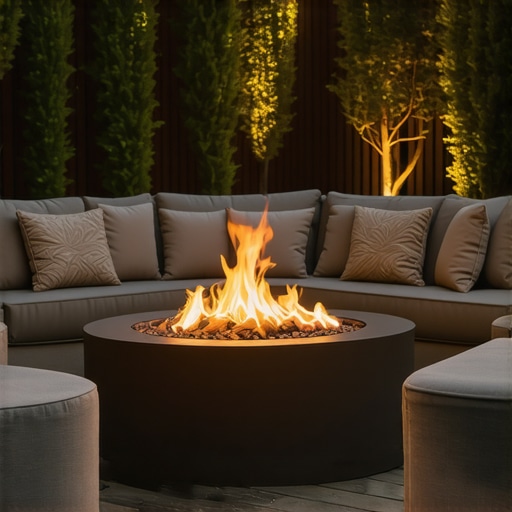
It was late evening, and I was sitting on my low-profile deck, trying to enjoy the cool breeze, when I realized something was missing. The flickering flames of a fire pit could have brought life and warmth to the space, but my deck design hadn’t considered this essential feature. That moment was a lightbulb for me—and quite honestly, a bit of a setback. The space felt incomplete, almost wasted during those quiet nights.
Why a Fire Pit Zone Is a Game-Changer for Your Outdoor Living
After that realization, I delved into why so many outdoor enthusiasts overlook the importance of a dedicated fire pit area on their decks. The truth is, a fire pit isn’t just about warmth or aesthetics—it creates a focal point that encourages gathering, storytelling, and unforgettable memories. Yet, many low-profile decks are designed solely for visual appeal or minimal functionality, missing out on the heart of outdoor living.
Many homeowners, myself included at first, make the mistake of neglecting the safety and zoning considerations essential for integrating a fire feature. A poorly planned fire pit can risk safety, reduce usability, and even decrease your property value. According to a study by the National Fire Protection Association, outdoor fires are involved in thousands of home fires each year, often due to unsuitable arrangements or lack of proper zones. Ensuring your deck can safely accommodate a fire pit isn’t just smart—it’s necessary.
What We’ll Cover Today
In this guide, I’ll share practical insights from my own journey to create a cozy, safe, and stylish fire pit zone on my low-profile deck. We’ll look at how to choose the right location, materials, and safety features, so you can avoid common mistakes. Whether you’re planning a brand-new deck or updating your existing one, these tips will help you craft an outdoor space you’ll truly cherish.
If you’ve ever faced the frustration of not having enough comfortable space for cool evening gatherings or felt unsure about how to incorporate a fire feature safely, keep reading. I’ve been there, and I want to help you avoid the pitfalls I encountered early on.
Let’s explore how you can turn a simple deck into an inviting outdoor sanctuary with a well-planned fire pit zone.
Select the Perfect Location for Your Fire Pit
Start by evaluating your deck’s layout and identifying a spot that offers sufficient space and safety. I remember my first attempt when I chose a corner too close to railings; the smoke kept drifting into the house, and I had to relocate after initial testing. Look for a flat, open area away from trees, overhangs, and combustible materials, ensuring easy access and unobstructed airflow. For inspiration and ideas tailored to your space, check out this custom composite decking ideas.
Design a Platform That Fills the Gap
Frame a Stable Base
Build a sturdy, level platform using pressure-treated lumber or composite decking that can withstand heat and weather. I once attempted to create a DIY brick base without proper leveling tools; it looked great at first but started settling unevenly, causing instability. To avoid this, use a laser level or spirit level during framing, and consider installing concrete footings for extra support. This approach ensures your fire pit remains steady and safe for years.
Choose and Install Fire-Resistant Materials
Opt for heat-resistant pavers or fireproof stones that complement the deck’s style. During my project, I used porcelain tiles which cracked after a few fires because they weren’t rated for high temperatures. I eventually replaced them with volcanic rock, which handles heat well and adds a natural look. Incorporate materials with high heat tolerance to prevent safety hazards and prolong the life of your fire area.
Incorporate Safety and Comfort Features
Install a Safety Barrier
Add a low wall or guardrail made from fire-resistant materials around the fire pit zone to prevent accidental drags or sparks from escaping. I installed a transparent tempered glass barrier that kept sparks contained without obstructing the view, making the space look modern and open. This step is crucial to protect loved ones and maintain compliance with local fire codes. For tips on designing stylish stairs that complement your deck, visit expert deck builder tips.
Prioritize Comfort with Seating and Shade
Arrange weatherproof seating like Adirondack chairs or built-in benches around the fire pit, ensuring enough space for conversation. I added cushions with quick-drying fabric and installed a retractable canopy for shade, making the space usable even during sudden weather changes. Comfort encourages longer gatherings and makes your outdoor space more inviting. For ideas on maximizing space with modern design, explore outdoor space ideas.
Ensure Safe Access with Thoughtful Stairs and Pathways
Design stairs that provide safe, easy access to the fire pit zone. Use slip-resistant treads and proper lighting for night-time safety. I replaced my old wooden stairs with composite-framed stairs equipped with embedded LED lights, inspired by the latest outdoor stairs innovations. Properly spaced and anchored stairs prevent accidents, especially on low-profile decks where footing can be tricky. Incorporate curved or straight pathways that direct guests naturally towards the fire pit area, enhancing flow and safety.
Add Personal Touches to Enhance the Space
Finish your fire pit zone with decorative elements like potted plants, string lights, and outdoor rugs. I found that adding hanging lanterns created a cozy ambiance during evenings, making the area feel more like a living room than just an outdoor corner. These features not only improve aesthetics but also contribute to the overall functionality and safety of your space.
By thoughtfully executing these steps, you transform your low-profile deck into a warm, safe gathering spot that becomes the heart of your outdoor living. Remember, safety, durability, and comfort are your guiding principles in creating a memorable fire pit zone.
Even seasoned deck builders often fall prey to overlooking nuanced details that can make or break an outdoor space. One common myth is that choosing the latest composite decking trends guarantees durability without considering environmental factors like UV exposure and climate. In my experience, the misconception that all composite materials are created equal can lead to expensive mistakes; some products, despite their marketing, degrade faster under direct sunlight or high humidity. For instance, studies have shown that certain composite boards are more susceptible to color fading and surface deterioration, which can compromise aesthetic appeal and safety over time. When designing stairs and railings, many underestimate the importance of proper framing and support—an error that can cause wobbling, structural failure, or even safety hazards.
Why do homeowners often ignore the importance of professional guidance for complex outdoor projects?
They assume that DIY methods or generic advice suffice, but intricate elements like load-bearing stairs or integrated lighting systems demand expertise. A survey by the National Association of Home Builders emphasizes that professional intervention not only improves safety but also enhances longevity and value of outdoor features.
For example, a clumsy installation of composite stairs without proper framing can lead to uneven surfaces, causing tripping risks and accelerated wear. It’s essential to choose a knowledgeable deck builder who understands the nuances of the materials you select and the specific requirements of your outdoor environment. Don’t fall into the trap of thinking that a quick, low-cost solution can replace the benefits of expert craftsmanship.
Additionally, the misconception that upgrading one element, like switching to a different composite brand, will instantly boost your deck’s lifespan ignores the interconnected nature of outdoor design. Integral features such as drainage systems, support structures, and stair safety measures must work in harmony. Neglecting these relationships often results in avoidable issues, such as premature rot or structural instability.
Take the time to research current trends, but always pair them with professional insights to prevent costly mistakes. Remember, the goal is not only an attractive deck but one that stands the test of time. To learn more about selecting the right materials, check out choosing the right composite decking.
Have you ever fallen into this trap? Let me know in the comments, and share your experiences or questions about avoiding these common pitfalls in your outdoor projects.Maintaining your outdoor deck, especially when using composite decking and building stairs, requires the right tools and a proactive approach to care. Personally, I rely on a few specialized equipment pieces to keep my deck in prime condition. A cordless orbital sander with fine-grit discs helps me smooth out minor surface abrasions or scratches that happen over time without risking damage to the composite material. Unlike traditional sanders, this tool provides control and reduces heat buildup, which is crucial for preserving the deck’s integrity.
For cleaning, I prefer a high-pressure washer equipped with a fan tip to remove dirt and debris efficiently. However, I always set the pressure to a moderate level—about 1500 psi—to prevent gouging or damaging the surface. I’ve learned from experience that excessively powerful jets can cause surface pitting or lift the edges of composite boards, leading to premature wear. Regularly using a soft-bristle brush alongside the washer ensures stubborn grime, especially in textured surfaces, comes clean without harming the finish.
How do I maintain my deck over time?
One technique I swear by is applying a quality protective sealant specifically designed for composite and hardwood surfaces every two to three years. This creates a barrier against UV exposure and weathering. During applications, I double-check the manufacturer’s recommendations—most notably, I ensure the sealant is compatible with composite decking to avoid discoloration or softening. For this, I consult the latest guidance in composite decking trends 2025, which emphasizes sealant selection as a key maintenance step.
For stairs, ensuring the support structure remains sound is vital. I inspect stair stringers, fasteners, and handrails at least twice a year. A torque wrench helps me tighten any loose bolts or screws, preventing wobbling or worst-case scenarios like falling hazards. When support issues arise, I don’t hesitate to replace worn-out components with high-quality stainless steel fasteners, which resist corrosion, especially in saltwater or humid environments.
To keep my deck stairs safe and stylish, I also use a laser level to verify that steps are even—a small detail that makes a significant difference in safety and comfort. Plus, it helps ensure proper drainage, which prolongs the lifespan of the entire outdoor setup. As trends continue moving toward smart maintenance, I foresee future tools integrating sensors that monitor structural health in real-time, alerting homeowners to potential issues before they become critical.
One advanced tip I recommend is installing a deck maintenance app that tracks inspections, sealant dates, and repair schedules. It’s a game-changer for managing long-term results and scaling your outdoor space efficiently. So, why not try integrating a digital tool into your routine — it’s a simple step that can save money and extend your deck’s life for decades to come. For more detailed guidance on choosing the right maintenance products, explore how to select durable composite materials.
Three Surprising Lessons From My Fire Pit Journey
One of the most eye-opening revelations I had was realizing that safety isn’t just about code compliance; it’s about peace of mind and creating a truly inviting space. I once underestimated the importance of proper airflow and clearances, which led to some smoky nights and regretful reconfigurations. Now, understanding subtle wind patterns and material heat tolerances has transformed my approach to outdoor design.
Another lesson learned was the value of layering comfort. It’s one thing to have sturdy seating, but soft cushions, weather-resistant fabrics, and adjustable shade—these elements turn an ordinary fire pit into a year-round gathering hub. Small details like this have a disproportionate impact on how often and how long I spend enjoying my outdoor space.
Finally, I discovered that integrating technology thoughtfully can elevate a fire pit zone. From embedded lighting to smart controls, embracing modern solutions not only enhances safety and ambiance but also makes maintenance more manageable. These innovations ensure that my low-profile deck remains both beautiful and functional, without sacrificing style or convenience.
Tools and Resources That Changed My Outdoor Living Game
Investing in a laser level became a game-changer, providing precision when framing platforms and stairs to ensure safety and aesthetics. I also rely heavily on quality heat-resistant pavers, which I trust for their durability and natural appearance—my go-to is volcanic rock, because it withstands the heat and looks fantastic.
For comprehensive guidance, I recommend consulting top resources like Choosing the Right Composite Decking to select materials that will last, or transform your outdoor space with innovative design ideas. Additionally, engaging with professional deck builders through expert insights can provide personalized strategies that are often overlooked in DIY projects.
Seize the Moment and Build Your Dream Fire Pit Space
Creating a fire pit zone isn’t just about aesthetics or warmth; it’s about crafting a sanctuary where memories are made, and connections deepen. By applying these lessons and utilizing trusted resources, you’re well on your way to transforming your low-profile deck into the heart of your outdoor home. Don’t wait for the perfect moment—start planning today and turn your outdoor dreams into reality.
What’s been your biggest challenge in designing or maintaining your deck’s fire feature? Share your story below—I’d love to hear your experiences and help you troubleshoot any hurdles!