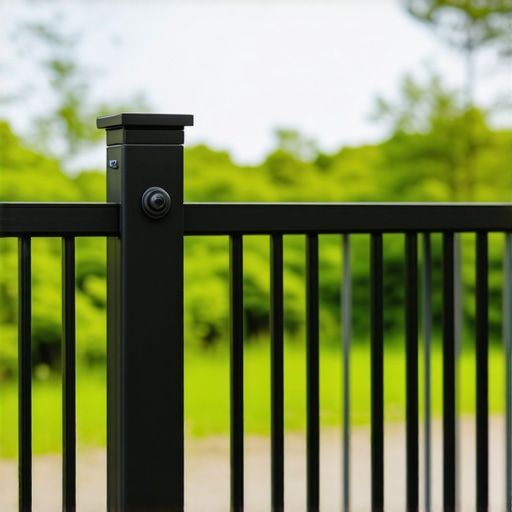
I vividly remember the day I realized that my deck railing was wobbly, and the nails I had used just a few years prior were coming loose. It was a sunny afternoon, and as I reached out to steady myself, I felt that unsettling wiggle—the kind that makes your stomach drop, especially when children or pets are around. That moment became my lightbulb moment: nails, which I had always considered the quick and easy fix, weren’t the reliable choice I thought they were for deck railing connections.
Protect Your Home and Loved Ones from Common Deck Failures
Many DIY enthusiasts and even seasoned builders underestimate the importance of choosing the right fasteners for outdoor structures. Deck railings, in particular, are safety-critical features. When built with improper methods, they can become hazards over time. Early on, I made the mistake of assuming that nails, being fast and inexpensive, would suffice. But as time passed, I noticed a gradual loosening and rusting, leading to safety concerns and costly repairs.
What I discovered is that the materials and methods used in anchoring deck railings have evolved significantly. The old-school practice of relying on nails, especially soft, galvanized ones, is now widely discouraged among professional deck builders. The main reason? Nails tend to bend, corrode faster, and lack the shear strength needed to withstand outdoor elements and active family life.
According to recent research from the American Wood Council, the use of proper fasteners—like structural screws—can increase the lifespan of your deck components by years, and your safety as well. This revelation prompted me to upgrade my own deck’s railing system, swapping out those nails for stronger, more durable fasteners.
Are you tired of constantly tightening loose railing posts or worried about safety because of the way your deck is holding up? If so, you’re not alone. Many homeowners face this dilemma, especially when considering long-term durability versus initial convenience. Rest assured, the fix isn’t complicated but does require a shift in approach.
As we move forward, I’ll guide you through the practical steps you can take to prevent the common pitfalls I once fell into. From selecting the right fasteners to proper installation techniques, you’ll learn how to build a sturdy, safe, and beautiful outdoor space that lasts.
Let’s explore why the traditional use of nails is falling out of favor and what alternatives can give you peace of mind for years to come.
Assess Your Existing Railing System
Begin by inspecting each railing post and connection point for looseness or damage. Remove any rusted or bent nails using a crowbar or pliers, then clean the area with a wire brush to ensure a smooth surface for the new fasteners. This step was vital when I replaced my deck’s wobbly railings; a thorough assessment helped me identify all weak points before installing new hardware.
Select the Right Fasteners to Upgrade Stability
Choose galvanized or stainless steel structural screws rated for outdoor use. These screws offer higher shear strength and corrosion resistance compared to nails. For my project, I used 3-inch structural screws, which provided a significant increase in durability. Proper fastener selection is crucial to prevent future loosening and ensure safety.
Prepare the Tools and Materials
Gather a power drill with a screwdriver bit, measuring tape, a level, a sanding block, and the new fasteners. Use a bit size that matches the screw’s diameter for optimal grip. In my case, I set up my workspace with all tools within reach, which made the replacement process more efficient and less frustrating.
Remove Old Nails and Pre-drill Holes
Carefully extract each nail, checking for wood splitting. Pre-drill holes slightly smaller than the screw diameter to prevent wood cracking, especially near the edges. I found pre-drilling essential when working on older, weathered wood; it helped facilitate smoother screw insertion and maintained the integrity of the wood.
Drive in New Structural Screws Securely
Align the screw with the pre-drilled hole and use the power drill to drive it in until flush. Don’t overtighten to avoid damaging the wood or stripping the threads. Confirm the post is plumb using the level, adjusting as needed before tightening fully. This precise approach stabilized my railing and prevented future wobble.
Finalize and Inspect the Connection
Check that each post is firmly anchored and level. Apply waterproofing or protective sealant if your fasteners or wood need extra protection. Regular inspections post-installation will catch any loosening early, maintaining safety over time. This routine saved me from future costly repairs and reassured me of my deck’s safety.
For more insights on crafting secure and attractive outdoor structures, consider consulting a professional deck builder. Their expertise bridges the gap between DIY efforts and professional-quality results, ensuring your deck remains both functional and beautiful for years to come.
While many believe that installing stairs and choosing materials are straightforward aspects of outdoor design, the truth is more nuanced. A frequent mistake is assuming that standard solutions suffice for all projects. For example, some assume that traditional wooden stairs are always the best choice, but advances in composite decking now offer safer, low-maintenance alternatives that many overlook. Relying solely on amateur advice can lead to issues like uneven riser heights or flimsy support structures, which compromise safety and longevity.
Why does proper stair design matter beyond aesthetics?
Often, homeowners overlook that stairs are critical for accessibility and safety, especially when installed without precise calculations or professional guidance. Proper stringer spacing, accurate riser heights, and slip-resistant treads are essential components that many underestimate, leading to trip hazards or structural failures. According to a study by the National Safety Council, falls on outdoor stairs account for a significant percentage of home injuries, emphasizing the importance of correct design and construction practices. Skipping professional input can result in compliance issues and increased maintenance costs, which is why working with a skilled deck builder can make a substantial difference.
One common myth is that composite decking is maintenance-free. In reality, many homeowners don’t realize that improper installation or cleaning can cause surface wear or mold buildup, especially under shady or damp conditions. Choosing high-quality, UV-resistant materials and following recommended installation guidelines will ensure your deck remains durable and attractive over time. An example of subtle but impactful detail is sealing or brushing the underside of boards to prevent moisture accumulation, an advanced tip often overlooked by DIY enthusiasts. To get insider insights on enhancing your outdoor space, check out composite decking ideas that combine safety and style.
Another trap is the misconception that all deck builders approach projects equally. The reality is, expertise varies widely, affecting everything from material selection to structural details. Professional deck builders understand the importance of precise measurements, local building codes, and choosing the right fasteners—elements that can prevent costly repairs down the line. Playing it safe with a qualified contractor ensures your outdoor space not only looks stunning but also adheres to safety standards. For a deeper dive into what sets a skilled builder apart, see how a professional transforms your garden.
In summary, understanding these nuances can make the difference between a basic outdoor setup and a resilient, stylish oasis. Whether it’s selecting the right stairs, understanding composite decking’s deeper benefits, or partnering with a knowledgeable deck builder, each detail counts. Have you ever fallen into this trap? Let me know in the comments.Maintaining outdoor structures like stairs and decks requires not only knowledge but also the right tools to ensure longevity and safety. Over the years, I’ve tested and refined my toolkit, discovering that investing in quality equipment makes the difference between fleeting repairs and lasting durability. For instance, a good cordless impact driver with variable torque settings allows me to drive fasteners precisely without overdriving or damaging the material, especially when working with composite decking or delicate wood surfaces. I personally prefer models like the Milwaukee M18 Fuel Impact Driver because of its ergonomic design and battery life, enabling me to work efficiently on large projects.
When it comes to fasteners, employing high-grade stainless steel screws is non-negotiable for outdoor durability. I always select those with a corrosion-resistant coating, such as coated or galvanized screws, to withstand weather exposure. Pre-drilling holes with a quality drill bit — specifically designed for composite or hardwood — prevents splitting and ensures screw accuracy. I use titanium-coated drill bits from brands like DeWalt because they stay sharper longer, especially when pre-drilling hardwoods or composite material.
For measuring, a digital angle finder and laser level are my go-to tools. They provide precise measurements, which are critical when aligning stairs for safety and aesthetic appeal. I’ve found that a laser level like the Bosch GLL 3-50 ensures your stringers and treads are perfectly aligned, reducing trips or wobbling in the future.
Cleaning and prepping surfaces before fastening are equally essential. For this, I rely on a power washer with adjustable pressure — typically around 1500 PSI for composite surfaces — to remove debris and mold without damaging the material. My favorite model is the Sun Joe SPX3000 because of its dual tanks and adjustable nozzle.
Looking toward the future, digital measuring tools embedded with Bluetooth or Wi-Fi connectivity might become standard, allowing real-time monitoring of structural integrity or wear. Such innovations could revolutionize maintenance routines by alerting homeowners and professionals to potential issues before they become hazards.
### How do I maintain stairs and decks over time?
Regular inspections are key. Every few months, I check fasteners for rust or looseness, tightening or replacing as needed. Applying a protective sealant annually, especially on wooden parts, guards against moisture infiltration. When cleaning, I avoid power washing directly on delicate composite surfaces to prevent surface erosion — choosing instead a soft-bristle brush combined with mild cleaning solutions.
Try investing in a quality impact driver combined with corrosion-resistant fasteners and precise measuring tools. These upgrades can greatly simplify ongoing maintenance while significantly extending the lifespan of your outdoor structures. For more expert insights on elevating your outdoor space, consider consulting a professional deck builder, who can provide tailored advice and advanced techniques specific to your project needs.
What I Wish I Knew About Stairs and Deck Longevity Early On
One of the toughest lessons I learned was how crucial precise measurements and professional techniques are for safe, long-lasting stairs. Skipping detailed planning led me to redo certain steps, costing both time and money. The importance of proper riser heights and stringer placement cannot be overstated if you want an outdoor space that feels seamless and safe.
Another revelation was how unexpected environmental factors, like shade and moisture, can accelerate wear and mold growth on composite decking. Regular maintenance and choosing high-quality, UV-resistant materials significantly extended the life of my deck, saving me from premature replacements.
Tools and Resources That Changed the Game for Me
My impact driver with torque control became my best friend during deck projects, allowing for precise fastening without damaging wood or composite boards. I trust brands like Milwaukee for their durability and ergonomic design. For measuring and ensuring perfect alignment, a laser level from Bosch has saved me countless headaches—accuracy matters when it comes to stairs and railings.
Books like “The Complete Guide to Deck Construction” by Stuart T. Jackson provided deeper insights into structural integrity and code compliance, which I now prioritize in every project. Moreover, consulting with professional deck builders through resources like this article broadened my understanding of best practices beyond DIY basics.
You Are The Author of Your Outdoor Oasis—Start Building Confidently
Every addition to your outdoor space is an opportunity to create something lasting and beautiful. Embrace the learning curve, and remember that the right tools, knowledge, and professional guidance can turn even challenging projects into rewarding achievements. Now is the perfect moment to start planning that deck or staircase upgrade you’ve been envisioning. Your outdoor oasis awaits—are you ready to make it happen?
What’s been the biggest challenge you’ve faced in your outdoor living projects? Share your story below; I’d love to hear and help where I can!