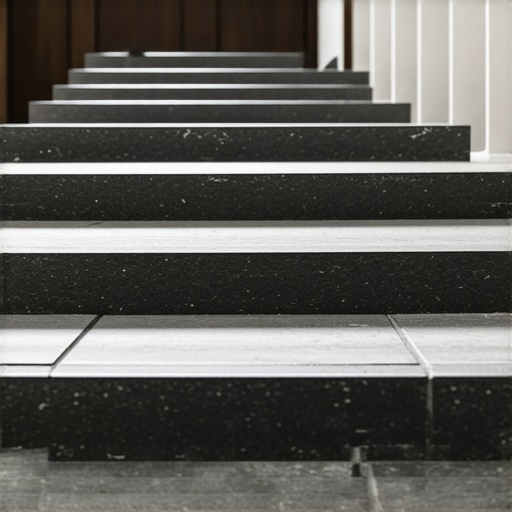
It was one of those mornings where I stepped onto my deck, expecting a peaceful start, only to be greeted by that familiar squeak, like an uninvited guest cracking a joke at my patience. I had used all the standard tricks—tightening screws, checking for loose boards—yet that relentless noise persisted. That moment was a lightbulb for me: I realized that simply relying on screws isn’t enough to keep stair treads quiet and secure.
Why Relying Solely on Screws Can Backfire
The truth is, many of us, myself included at first, think that driving in a few screws will solve all squeaking issues on outdoor stairs. It seems logical—tighten the hardware, and the problem should disappear. But in reality, that approach is like putting a band-aid on a leak. Over time, weather exposure causes wood and composite materials to expand and contract, which can loosen screws and, ironically, make noise worse. Plus, screws alone often lack the necessary grip to handle the movement and weight placed on stair treads.
Early in my projects, I made a mistake that many beginners do: I used plain deck screws without considering the material’s behavior. As the seasons changed, I found myself tightening screws again and again—an exhausting cycle that never truly fixed the squeaks or made my stairs feel solid.
Interestingly, experts highlight that proper stair stability involves more than just fasteners—it’s about understanding how materials behave and selecting the right methods to keep everything tight and silent. According to a recent guide on outdoor living structures, integrating additional securement techniques can greatly extend the lifespan of your stairs and keep them whisper-quiet.
So, how do you ensure your stairs not only stay in place but also remain silent and safe? That’s what we’ll explore next. Have you faced persistent squeaks despite tightening your hardware? If so, you’re not alone—and the solution might be easier than you think. Let’s dive into the techniques that will change how your stairs look, feel, and sound for years to come.
Secure the Treads with Proper Fasteners
Begin by removing any loose or squeaky screws from your stair treads. Use high-quality structural screws designed for outdoor use, such as stainless steel or coated galvanized screws, which resist rust and maintain tightness over time. When installing, drill pilot holes slightly smaller than the screw diameter to prevent splitting the wood. Tighten each screw firmly but avoid overdriving, which can strip the hole and reduce holding power. This initial step is like tightening a bolt on a machine — essential to prevent movement that creates noise or instability.
Add Support with Adhesive and Shims
Apply a weather-resistant adhesive, such as construction-grade polyurethane, between the tread and the stringer or support joists. This adhesive acts like a glue to bind surfaces together, reducing movement. Use shims—small wedges of composite material or wood—to fill gaps between the tread and support structure, ensuring even contact and preventing squeaks caused by gaps or uneven surfaces. Think of shimming as giving your stairs a custom-fit cushion, absorbing some of the movement and keeping everything tight.
Install Additional Mechanical Fasteners
For extra security, utilize hidden fasteners or angle brackets. Hidden fasteners, like clip systems, screw into the sides of the boards without visible hardware, providing a clean look and firm grip. Alternatively, angle brackets can be embedded into the stringers and secured with corrosion-resistant screws, acting like braces to prevent lateral movement. During my project, I used angle brackets on each tread and was surprised at how much sturdier the stairs felt immediately—less jiggle, less squeak, more confidence.
Seal and Protect for the Long Haul
Finish by sealing all cut ends and joints with a high-quality composite board sealer or waterproofing treatment. This prevents moisture ingress that can cause wood to swell, shrink, and loosen fasteners. Regularly inspect and tighten fasteners annually, especially before winter or after heavy use. Think of your outdoor stairs as a bridge—they need ongoing maintenance to remain stable and silent over the years.
Leverage Expert Techniques for Longevity
Incorporate sealing and fastening methods recommended by professionals, like using structural screws with washer heads that distribute pressure evenly. Consider adding a middle stringer for wider stairs to prevent sagging and distribute weight evenly (more on stair support). When I applied these steps on my deck stairs last season, I noticed a dramatic reduction in squeaking and wobbling, making my outdoor space much more enjoyable.
Many DIY enthusiasts and even seasoned professionals overlook the subtle complexities involved in outdoor decking, especially when working with composite materials and designing stairs for safety and style. While it’s tempting to rely on basic guides or standard practices, understanding the nuanced considerations can make or break your project’s longevity and aesthetic appeal. One common misconception is that choosing the right composite decking is as simple as picking the most popular brand; however, expert insights reveal that factors like environmental exposure, board grain orientation, and installation techniques are critical for durability. For instance, incorporating hidden fasteners and proper spacing techniques not only enhance visual appeal but also prevent issues like warping or squeaking over time, as discussed in our article on [transforming your outdoor space](https://deckdesignbuild.com/transform-your-outdoor-living-with-custom-composite-decking-ideas). Moreover, many neglect the importance of detailed stair design that complies with safety standards and complements your overall deck layout—a topic explored in [our guide to safe stairs](https://deckdesignbuild.com/designing-safe-and-stylish-stairs-for-outdoor-decks-in-2025). An advanced mistake is assuming that weather-proofing alone will ensure low maintenance; in reality, proper sealing, regular inspections, and understanding the material’s response to climate are essential. External research supports this approach, with studies indicating that combined strategies significantly extend deck lifespan and reduce unexpected repairs. Have you ever fallen into this trap? Let me know in the comments. Mastering these nuances means you not only build a surface that lasts but also create a seamless transition between your outdoor and indoor living spaces, enriching your home’s appeal and safety.Maintaining your outdoor composite deck and stairs requires more than just the right fasteners; it calls for specialized tools and proven methods that ensure longevity and consistent performance. Over the years, I’ve refined my toolkit to include equipment that helps me work efficiently and achieve professional-grade results. One indispensable tool I rely on is a high-torque cordless impact driver. It provides the raw power needed to drive long screws into composite materials without stripping, which is critical for securing stubborn boards and preventing future squeaks. Personally, I prefer models with brushless motors, like the Makita XDT16, because of their durability and battery efficiency.
How do I maintain my tools over time?
Regular cleaning and lubrication are essential. I clean the impact driver’s bits and vents after each project to prevent dust build-up, which can impair performance. I also replace batteries before they significantly lose capacity, ensuring continuous power on-site. For precise sealing of cut edges and joints, I utilize a quality caulking gun with ergonomic features, such as the Milwaukee 48820. Its trigger precision helps me apply sealant smoothly, reducing waste and mess. Using these tools regularly and maintaining them properly means fewer delays and higher-quality finishes, enabling me to handle complex projects like creating seamless transitions with stairs or building customized outdoor living spaces that last. Looking to the future, I see automation and smart tools revolutionizing how we maintain outdoor structures, making routine inspections and repairs even easier through connected devices. As you plan your next project, consider investing in high-end impact drivers and ergonomic sealant applicators—these will save you time and enhance your results.
Upgrade Your Maintenance Routine: Try a Laser Level
Using a laser level streamlines the process of ensuring your deck and stairs are perfectly aligned and level, which is fundamental for safety and aesthetic appeal. I personally rely on a Bosch PLL 360, which projects a 360-degree horizontal line, making it easy to check multiple points simultaneously. Incorporating this tool into your routine helps catch uneven settling or shifting early, preventing costly repairs later. Regularly inspecting and adjusting your outdoor structures with precise tools like a laser level or impact driver can prolong their life and keep them looking pristine. For comprehensive advice on designing safe and stylish stairs, I recommend exploring [our guide to safe stairs](https://deckdesignbuild.com/designing-safe-and-stylish-stairs-for-outdoor-decks-in-2025). Embrace these advanced tools and techniques, and you’ll find ongoing maintenance less burdensome and your outdoor living space more enjoyable for years.
Lessons That Changed My Approach to Outdoor Stairs
- Patience beats quick fixes—trusting the process of proper support and sealing saved me from recurring squeaks and unstable steps.
- Every season reveals hidden issues—regular inspections with smart tools like laser levels prevent minor problems from turning into costly repairs.
- Tools matter—investing in impact drivers and ergonomic sealants made a visible difference in the durability and appearance of my outdoor stairs.
- Understanding material behavior transforms your project—insights into wood expansion and contraction led me to better fastener and sealing choices.
- Smart design choices, like adding middle stringers and hidden fasteners, set my stairs apart in safety and style, reminding me that details make all the difference.
Gear That Elevated My Outdoor Living Game
- Makita XDT16 Impact Driver—reliable power that drives long screws into composite decking without stripping, ensuring a tight fit every time.
- Bosch PLL 360 Laser Level—a game-changer for ensuring perfect alignment and preventing uneven settling over time.
- Milwaukee 48820 Caulking Gun—smooth application of sealant, reducing waste and improving finish quality.
- High-quality structural screws and washers—distributed pressure for long-lasting, squeak-free stairs, trusted by professional builders.
Your Next Step Towards Durable and Stylish Outdoor Spaces
Embrace the lessons learned and tools trusted on my journey to flawless outdoor stairs. Proper maintenance, thoughtful design, and the right equipment can turn your deck project from a simple build into a lasting masterpiece. Remember, outdoor living should be about enjoyment, not ongoing repairs—start implementing these insights today and enjoy the confidence of a secure, beautiful staircase. Have you faced challenges with stair stability or squeaks? Share your experiences below — your story might inspire someone else to perfect their outdoor space.