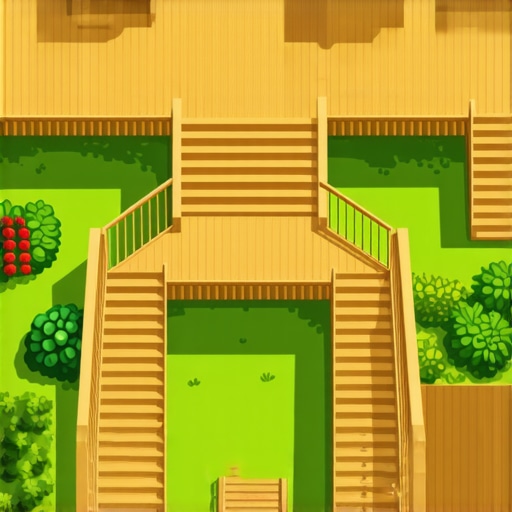
I remember the moment I realized my backyard was a mini obstacle course every time I wanted to enjoy my outdoor space. The uneven terrain, the awkward stairs, and the constant maintenance struggles made me feel more frustrated than relaxed. Like many homeowners, I faced the challenge of transforming a sloped yard into a beautiful, functional haven. That’s when I had my lightbulb moment: multi-level decks might just be the best solution—and I want to share why.
Transforming Sloped Backyards into Stunning Outdoor Living Spaces
Living with a sloped backyard can feel like trying to fit a square peg into a round hole. Traditional decks often require extensive leveling or complicated stairs, which can be both costly and unsightly. I learned early on the hard way that building a single-level deck on uneven ground often leads to warping, drainage issues, and a lot of hassle. Eventually, I discovered that designing a multi-level deck allows you to work with the natural landscape instead of fighting against it, creating a harmonious and accessible outdoor space.
In fact, a well-crafted multi-level deck not only enhances your yard’s aesthetic appeal but also adds valuable functional zones—perfect for lounging, dining, or gardening areas. Plus, these decks can be tailor-made to accommodate existing structures or features, making your backyard feel thoughtfully designed and uniquely yours.
One of the biggest advantages I found was the ability to create seamless transitions between different levels, making the entire space feel larger and more inviting. And thanks to modern materials like composite decking, maintenance becomes much easier, saving you time and money while maintaining the deck’s beauty over time. For practical tips on transforming your backyard, check out [this guide on expert deck-building tips](https://deckdesignbuild.com/transform-your-space-expert-deck-builder-tips-for-stunning-outdoor-living).
Have you ever struggled with designing your sloped yard? If so, you’re not alone. Many homeowners face the dilemma of creating a functional, attractive outdoor space without breaking the bank or sacrificing safety. The good news is that multi-level decks can be a game-changer—by working *with* your landscape rather than against it.
In the next sections, I’ll walk you through the key benefits of multi-level decks, common misconceptions, and how to get started on your project. Together, we’ll explore practical ideas to turn your uneven backyard into your favorite outdoor retreat.
Assess Your Landscape and Design Your Levels
Start by inspecting your backyard’s natural slope and deciding how many levels you want. Use a measuring tape and a level to determine the grade at various points. I once spent an afternoon with a line level and chalk line to mark out potential levels, which helped me visualize how each terrace would merge seamlessly. This initial planning prevents costly mistakes later.
Plan Your Structural Supports Carefully
Proper support is vital, especially on uneven ground. Think of the foundation like a pyramid—each level must be stable before adding the next. I used pressure-treated posts for vertical supports, ensuring they’re embedded deeply into the ground with concrete anchors to prevent shifting. Remember, a solid support structure underpins the entire deck’s safety and longevity.
Install Footings and Posts to Match Terrain
Dig footings below the frost line, following local codes. Use a post-hole digger or a power auger for efficiency. Position posts on concrete pads or piers that accommodate the slope variations. During my project, I discovered that adjustable post anchors made leveling multiple supports less frustrating—think of it as fine-tuning each post like a camera tripod for perfect balance.
Construct Multilevel Frame and Beams
Connect your posts with beams, creating a sturdy framework. Use galvanized steel connectors and lag screws for durability. When I built my deck, I double-checked the level at each section. This step is like laying bricks carefully; precision prevents unevenness that can cause squeaks or slopes in your deck surface.
Use Composite Decking for a Low-Maintenance Finish
Select high-quality composite decking, which resists weather and requires minimal upkeep. Think of composite boards as the talking point of your backyard—long-lasting, stain-resistant, and virtually maintenance-free. When I installed mine, I used hidden fasteners to keep the surface smooth and visually appealing, similar to a hardwood floor but suited for outdoors. Explore this guide for choosing the right material.
Design Seamless Transitions with Elegant Stairs
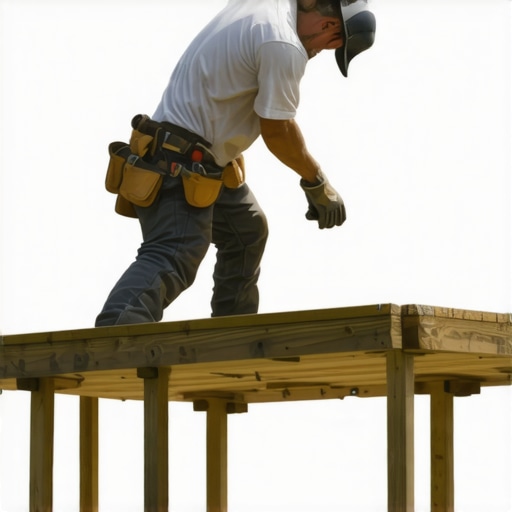
Connecting levels with well-designed stairs is crucial—both safety and aesthetics matter. I opted for floating steps with open risers, creating a modern look that allows light to pass through. To ensure safety, consistent riser height—about 7 inches—is essential. Check out this resource to master stair design. Using composite stair treads and proper supports, I avoided squeaks and wobbling, making my backyard safer for family gatherings.
Add Finishing Touches and Safety Features
Finish by installing railings, lighting, and privacy screens where needed. Incorporate LED step lights for safety and ambiance. I installed low-voltage lighting along the staircase stringers, illuminating paths without glare. Additional elements like a built-in seating nook or planters can personalize your space. Remember, safety comes first—ensure your stairs meet local codes for riser height and tread depth.
Many homeowners believe that choosing the most affordable composite decking or following popular stair designs guarantees durability and aesthetic appeal. However, in my experience as an expert deck builder, there are subtle nuances often overlooked that can significantly impact your outdoor space’s longevity and safety.
Why Relying Solely on the Cheapest Materials Is a Trap
It’s tempting to select the lowest-priced composite decking, but this often leads to issues like fading, mold buildup, and warping, especially under direct sunlight. Modern experts advocate for capped polymer composites, which stay cleaner and resist UV degradation better—more details are available in this comprehensive guide. Skipping this step can save money initially but cost much more long-term for maintenance and replacement.
Misconceptions in Stair Safety and Design
Many assume that building stairs with standard riser heights and tread depths is sufficient. Yet, subtle inconsistencies—just a fraction of an inch—can cause trips or make your stairs feel uncomfortable. Advanced builders understand that precise measurements, such as maintaining a uniform 7-inch riser height, are critical for safety and comfort. For an in-depth discussion on this, check out this resource.
Addressing Hidden Mistakes in Multi-Level Decks
Building multi-level decks isn’t just about stacking platforms; it’s about seamless integration with the landscape and correct support systems. One common mistake is neglecting proper drainage and support adjustments over uneven terrain, which can lead to structural issues over time. The secret here is understanding the importance of support brackets and proper footing placement, highlighted in this detailed article. Neglecting these nuances can result in squeaky, unstable decks.
Advanced Mistakes: Overlooking Climate and Long-Term Maintenance
Another often ignored factor is climate-specific considerations, like saltwater exposure or extreme temperature fluctuations. Many assume all composite decks are equally low-maintenance, but certain formulations perform better in harsh environments. As noted in this study, choosing the right material based on your location extends the lifespan and aesthetic appeal.
Understanding these underlying nuances helps elevate your outdoor living project from basic to extraordinary. Remember, a successful deck or stair design requires more than just following standard procedures—it demands attention to detail, awareness of environmental factors, and a commitment to quality materials. If you want to learn more about elevating your project, explore this expert guide.Have you ever fallen into this trap? Let me know in the comments.Maintaining your deck and outdoor structures over time is crucial to ensure safety, longevity, and continued aesthetic appeal. From selecting the right tools to establishing a routine, understanding what works best for your specific setup can save you time and money. One of my favorite tools is the cordless impact driver, which I use for securing fasteners and assembly tasks. Its portability and powerful torque make quick work of deck screws, especially when working on multi-level structures where efficiency is key. I personally prefer models with brushless motors, as they last longer and provide consistent power, reducing fatigue during extended projects.
To keep composite decking looking pristine, I rely on a high-pressure spray washer with adjustable nozzles. Gentle enough to avoid damaging surface cells, yet effective at removing dirt and mildew, it’s invaluable for annual cleaning. However, I always ensure the pressure isn’t too high—around 1500 psi—to prevent surface gouging. Soft-bristled brushes are also great for scrubbing areas where mildew persists, especially around stair risers and privacy screens.
Beyond tools, software plays a surprising role in maintenance planning. I recommend using project management apps like Trello or Asana to schedule regular inspections, cleaning, and repairs. This helps prevent small issues—like loose railings or cracked boards—from escalating. Scheduling quarterly checks, combined with seasonal advice from sources like this article, ensures your outdoor spaces remain safe and attractive.
Predicting future trends, I see integrated smart sensors becoming standard for monitoring deck stability and detecting moisture infiltration. While still emerging, these technologies could notify homeowners of potential issues before visible signs appear, enabling proactive maintenance.
How do I maintain my outdoor decks over time? I routinely inspect fasteners and support posts for corrosion or movement, replacing or tightening them as needed. I also use a sealant approved for composite surfaces, which can prevent staining and enhance durability—though with composite decking, I lean towards low-maintenance materials like capped polymers. Regular cleaning and prompt repairs form the backbone of a long-lasting outdoor setup.
When tackling maintenance, try applying a low-pressure spray combined with a soft brush for deep cleaning—this method preserves the surface while removing stubborn dirt. Remember, investing in quality tools and scheduling consistent inspections pay dividends. For example, using the right fasteners and supports, as discussed in this detailed guide, ensures your deck remains stable for years.
In my experience, maintaining your outdoor structures isn’t just about cleaning; it’s about proactive management and using the best equipment tailored to your needs. I challenge you to select one tool I mentioned—like a cordless impact driver or a soft-bristled brush—and incorporate it into your seasonal maintenance routine. You’ll notice the difference in ease and quality of care. Remember, a well-maintained deck isn’t just beautiful—it’s safe and built to last for many seasons to come.
The Hidden Lessons That Transformed My Outdoor Vision
One of the most surprising realizations I had was that embracing the natural slope of my yard could turn into a design asset rather than a hurdle. Instead of fighting gravity, I learned to work with it, which led to more creative and durable solutions. I also discovered that paying attention to tiny details—like consistent riser heights and support placement—can make or break the safety and feel of your deck. Lastly, patience and meticulous planning proved invaluable, reminding me that good things take time and precision, especially when transforming a challenging landscape into a paradise.
Tools, Resources, and Tips I Swear By
For anyone tackling outdoor projects, I recommend investing in a high-quality cordless impact driver—it speeds up fastening and ensures tight, long-lasting connections. A soft-bristled brush combined with a gentle pressure washer helps keep composite decking looking fresh without damage. For decision-making and inspiration, I turn to trusted websites like this guide on transforming your outdoor space and this resource on selecting durable decking materials. Additionally, project management apps like Trello help me track maintenance routines, ensuring longevity and safety for my backyard oasis.
Your Backyard Oasis Awaits—Take the First Step Today
Transforming your sloped backyard into a stunning multi-level deck is within reach, and with the right approach, it can be a rewarding journey. Remember, each careful decision—whether choosing materials or designing transitions—builds toward a safer, more beautiful outdoor space that you’ll love for years. Don’t wait for the perfect moment; start planning your outdoor upgrade now, and enjoy the process of turning your vision into reality.
Now, I want to hear from you—have you ever struggled with designing or building a multi-level deck on uneven ground? Share your experiences below, and let’s learn from each other’s journeys!
,