I vividly remember the first time I spent hours scrubbing my outdoor deck, only to see the grime stubbornly cling despite my best efforts. It was an eye-opener—ultimate frustration much like trying to wash a stain out of a stubborn fabric. That moment made me question if there was a better way, a smarter material that could withstand the test of time and nature’s messes without constant maintenance. The answer? Capped composite decking.
Breaking Free from the Cycle of Constant Cleaning
Old-school wood or traditional composite decks demanded intense upkeep—regular sealing, staining, and scrubbing to keep them looking fresh. But as someone who loves relaxing outside without a cleaning marathon every weekend, discovering a material that stays cleaner with less effort was like finally catching a break. Capped composite decking emerged as a game-changer, offering a solution to all my outdoor living woes. It’s not just about aesthetics; it’s about freedom from the relentless cycle of cleaning and maintenance.
Now, I want to share my experience and help you understand why so many outdoor enthusiasts are making the switch. Today’s focus: how capped composite stays cleaner longer—saving you time, effort, and headaches. If you’ve ever felt overwhelmed by ongoing deck upkeep, stick around. I’ll guide you through what makes this material superior and how you can choose the right decking for your space.
Is the Hype About Capped Composite Decking Truly Justified?
Early on, I made the mistake of assuming all composite was created equal. Trust me, I bought a cheaper brand without doing enough homework. The result? A deck that turned black with mold and grime within just a couple of years. This taught me a hard lesson about quality. According to research by the National Research Council of Canada, newer composite materials with capped surfaces significantly outperform older versions in resisting stains and organic buildup. This is because the capped layer acts as a barrier, preventing moisture and dirt from settling deep into the material.
So, what makes a capped composite deck better? It’s the resinous, protective top layer that wraps around the core, making it much more resistant to dirt, algae, mold, and fading. Plus, with fewer exposed pores or surfaces where grime can cling, cleaning becomes simpler and less frequent. It’s not just a trend; it’s a practical upgrade rooted in material science.
Are you tired of battling with stubborn stains and constant scrubbing? Have you faced the disappointment of a deck turning gray after a few seasons? If so, you’re not alone, and the good news is there are proven solutions. Stay tuned, because next I’ll walk you through how to select and install capped composite decking that keeps your outdoor space beautiful with minimal fuss.
Choose the Right Material and Tools
Start by selecting a high-quality capped composite decking board suitable for your climate and aesthetic. Ensure you have the necessary tools: a power saw, drill, spacers, and protective gear. I learned this the hard way when I tried cutting boards with a dull blade, causing splintering and uneven edges. Using a sharp blade and the right tools makes precise cuts and reduces waste.
Prepare the Foundation and Layout
Lay out the deck frame on level ground, ensuring the structure is sturdy and square. Use a measuring tape and carpenter’s square, akin to laying bricks in a perfect pattern. When I built my deck, I double-checked each corner to prevent future warping or uneven surfaces, which can make installing the decking much more difficult.
Install the Substructure Carefully
Attach joists to the ledger board and posts with corrosion-resistant fasteners. Space joists according to manufacturer specifications—usually 16 inches on center—to support the composite boards evenly. I recall fastening the joists, then realizing they were slightly misaligned; I used a jig to correct the spacing. Precise framing ensures the surface remains flat and prevents deck bounce.
Lay the Composite Boards with Precision
Begin from one end, laying the first board with hidden fasteners for a clean look. Use spacers to maintain consistent gaps—usually 1/8 inch—for ventilation. I once forgot to leave gaps, and swelling occurred after a rainstorm, warping the boards. Always pre-drill holes in the boards, avoiding melting or cracking, especially with composite material. Follow the installation guidelines of the specific brand for best results.
Secure the Boards Properly
Attach each board with stainless steel fasteners designed for composite decking, ensuring they are flush or slightly recessed. Don’t overtighten to avoid damaging the boards; a torque driver helps with consistency. I remember overtightening and creating dents, which became noticeable and detracted from the beauty of the finished deck.
Create Seamless Transitions and Stairs
When connecting stairs, use the same attention to detail. Cut stair stringers precisely, and install consistent riser heights—typically 7-1/2 inches—to promote safety and comfort. I once mismeasured stair risers, resulting in treads that felt uneven underfoot; re-cutting the stringers corrected this. For aesthetic consistency, match the stair stringer material and finish to the main deck surface. Proper support and alignment are crucial, as discussed in this guide.
Finish with Attention to Detail
Seal or treat any cut edges or exposed end grains with a compatible sealant or matching caps to prevent moisture ingress. I applied a small amount of sealant on my deck cuts, which prevented swelling and extended the deck’s life. Regular maintenance, like cleaning with gentle detergents, keeps the surface looking fresh and minimizes the need for deep cleaning. Remember, a well-installed deck requires careful initial steps to stay beautiful years down the line.Many outdoor enthusiasts and even seasoned builders overlook critical nuances that can make or break a deck project. A common misconception is that choosing a high-quality composite decking board alone guarantees a maintenance-free experience. However, the real secret lies in understanding the details of proper installation and design, which prevent issues like warping, squeaking, or early deterioration. In fact, even the best materials can fail if basic principles are ignored. For example, inadequate framing or poor drainage can lead to moisture buildup beneath your deck, accelerating rot and mold growth. To truly optimize your outdoor space, consider consulting with a professional deck builder, who can guide you through the complex aspects of framing, spacing, and finishing, ensuring longevity and safety. Moreover, advanced homeowners are learning to incorporate seamless transition designs and strategic stair layouts that not only enhance aesthetic appeal but also improve usability and safety. Did you know that improper stair riser heights can cause trip hazards, or that misaligned railings diminish structural strength? Studies by experts in outdoor construction emphasize the importance of meticulous planning and execution, aligning with industry standards. For instance, researching [outdoor stair safety best practices](https://deckdesignbuild.com/creating-seamless-transitions-stairs-as-key-elements-in-outdoor-living) reveals how small adjustments can significantly improve comfort and safety. Do you think that all composite decking is inherently low-maintenance? Think again—details like proper sealing of cut edges, securing fasteners correctly, and managing expansion gaps are crucial. Overlooking these steps often results in costly repairs down the line, undermining your initial investment. Remember, achieving impressive results in outdoor living requires more than just selecting the right materials; it involves mastering nuanced techniques and avoiding common traps. So, the next time you plan a deck project, pay close attention to these hidden details. Ever fallen into these traps yourself? Share your experience in the comments and let’s learn together.
How Do I Maintain My Deck Over Time
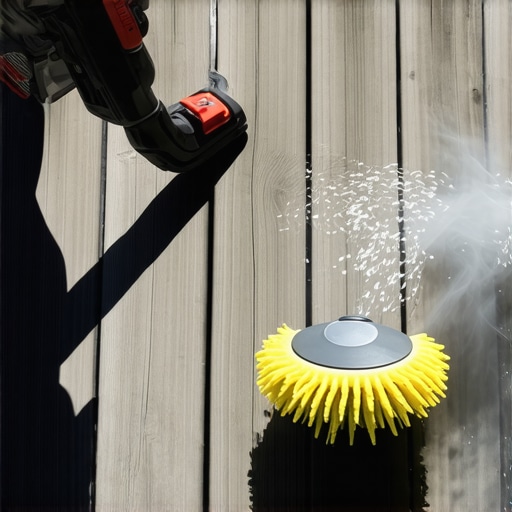
Consistent maintenance is key to preserving the beauty and durability of your outdoor living space. I rely heavily on a few specialized tools that make upkeep more manageable and effective. For instance, I always use a cordless power washer with adjustable pressure settings, typically around 1500 PSI, to gently remove dirt and algae without damaging the capped composite surface. This approach saves me hours compared to manual scrubbing and prevents the grime from settling into the material’s pores.
Another essential tool is a microfiber deck brush, which excels at cleaning textured surfaces and hard-to-reach areas like corners and between boards. Its soft bristles are gentle enough to avoid scratching the protective cap while effectively lifting debris. I personally prefer brushes with ergonomic handles for comfort during extended cleaning sessions.
When it’s time for occasional touch-ups, I use a high-quality, paint-compatible sealer designed explicitly for composite decking ends and cuts. Applying this sealant periodically prevents moisture intrusion and discoloration, extending the lifespan of your deck. I’ve found that a foam brush allows for precise application, especially on tricky, narrow areas.
For ongoing monitoring and repair, I utilize a deck inspection camera—compact, handheld devices capable of capturing high-resolution images of beneath the surface. Regular inspections help identify early signs of warping, loose fasteners, or mold buildup before they escalate into costly repairs. This proactive approach keeps my deck in top shape without disruptive or invasive procedures.
Looking to future-proof your outdoor space? Experts predict that smart technology integration, like moisture sensors connected to maintenance apps, will become more affordable and widespread. These tools can alert you when your deck requires cleaning or repairs, even remotely. Stay ahead by exploring innovative solutions for long-term results.
To maximize efficiency, I recommend setting a seasonal maintenance schedule that aligns with your climate. In warmer months, focus on cleaning and sealing, while in winter, monitor for ice buildup or structural shifts. Implementing a routine with the right tools ensures your deck remains safe, attractive, and ready for outdoor gatherings year-round.
Questions About Keeping Your Deck in Top Condition?
One frequently asked question is, How do I maintain the appearance of composite decking over years of exposure? The key is regular gentle cleaning with appropriate tools and avoiding harsh chemicals that can degrade the protective cap. Also, inspecting fasteners and support structures annually can prevent safety issues and costly repairs down the line. If you’re considering taking your deck maintenance to the next level, check out expert articles on benefits of professional help or browse transition and stair optimization tips.
Remember, well-maintained decking not only looks fantastic but also boosts your home’s value and safety. A small investment in the right tools and routine checks will pay dividends over many years. Try out a high-quality microfiber brush and see how much easier it makes your cleaning routine!
The Hidden Wisdom from My Deck-Building Journey
One of the biggest lessons I learned is that impeccable installation often trumps even the best materials. I once rushed through framing, thinking I could save time, only to face warping and squeaks down the line. This taught me to prioritize exact measurements and proper spacing, which significantly extended my deck’s lifespan. Additionally, I discovered that sealing cut edges and end grains isn’t just good practice—it’s essential for preventing moisture intrusion and early deterioration. Lastly, I realized that embracing innovative fasteners, like hidden clips and sturdy screws, makes the final appearance cleaner and more durable, saving me headaches during cleaning and repairs in the future.
Tools and Resources That Make a Difference
For anyone serious about building or maintaining a deck, investing in quality tools is non-negotiable. I trust the [high-quality cordless power washer](https://deckdesignbuild.com/creating-seamless-transitions-stairs-as-key-elements-in-outdoor-living) for routine cleaning, as it effectively removes grime without damaging the capped composite surface. A microfiber deck brush has become my go-to for gentle yet thorough scrubbing, especially in textured areas. When sealing exposed cuts, I rely on a precise foam brush that ensures no moisture sneaks into open ends. Beyond tools, I highly recommend reading comprehensive guides like the ones on [professional deck-building](https://deckdesignbuild.com/transform-your-space-expert-deck-builder-tips-for-stunning-outdoor-living), which provide invaluable tips for both beginners and seasoned pros.
Your Next Deck Adventure Starts Here
Remember, the journey to a stunning, low-maintenance outdoor space begins with small, informed steps. Embracing quality materials like capped composite decking and paying attention to the intricate details of installation can transform your backyard into a true oasis that stands the test of time. Don’t hesitate to innovate and customize—your outdoor haven awaits. If you’re eager to explore more expert insights and creative ideas, check out [outdoor living trends for 2025](https://deckdesignbuild.com/innovative-outdoor-living-ideas-with-composite-decking-in-2025) to stay ahead of the curve. Your backyard transformation starts now—why wait to create the space you’ve always dreamed of?
Ever run into unexpected challenges during your deck-building process? Share your stories below—I’d love to hear your experiences and help troubleshoot any hurdles you’re facing!