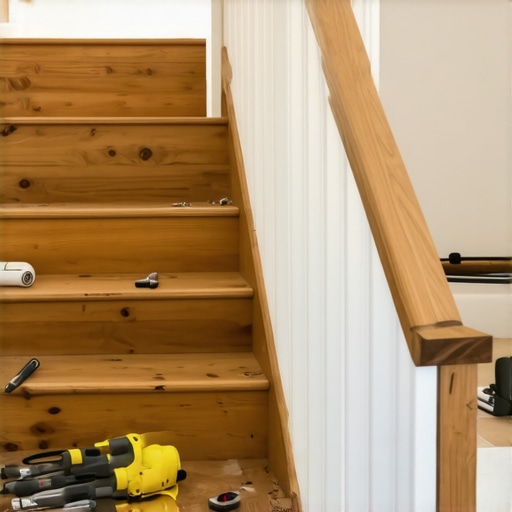
It was a warm Saturday morning when I finally looked at my old, weathered wood stairs and thought, enough is enough. After years of battling creaky steps, rot spots, and constant staining, I realized my outdoor stairs had become more of a safety concern than an inviting entrance. That moment—standing there, feet muddy from my recent garden project, contemplating whether to patch or replace—was a real lightbulb. I knew I needed a change, a durable solution that would stand the test of time and salt air.
Taking the Leap: Replacing Wooden Stairs with Aluminum Stringers
Many homeowners overlook the importance of sturdy, maintenance-free supporting structures for their decks. I decided to rip out my wooden stairs and swap in aluminum stringers—a decision inspired by a desire for longevity and safety. While the process may seem daunting, I’ve found that the benefits far outweigh the initial effort. Today, I want to share my experience and help you avoid the pitfalls I encountered early on.
Is Aluminum Worth the Hype for Your Deck Stairs?
Initially, I was skeptical about switching from traditional wood to aluminum. Would it be as reliable? Would it match my aesthetic? I learned that aluminum stringers are truly resistant to moisture, rot, and pests—issues that plagued my old wood. Plus, they require far less upkeep, saving me time and money long-term. According to a recent study, aluminum supports can last over 50 years with minimal maintenance, making them an investment in your home’s safety and value (source). Still, I understand the hesitation—change can be intimidating, especially when it involves structural components.
Have you ever faced a similar dilemma—deciding whether to stick with familiar materials or opt for a more durable, modern alternative? If so, keep reading. I promise to walk you through the practical steps and honest insights I gained from this project. Next, we’ll dive into why choosing aluminum stringers can transform your outdoor space and how to approach the upgrade without turning your yard into a construction zone.
,
Prepare Your Workspace and Gather Materials
Start by clearing the area around your existing stairs, removing any loose debris and old wooden parts. Gather all necessary materials, including aluminum stringers, suitable fasteners, a measuring tape, level, saw, and safety equipment like gloves and goggles. I vividly recall the chaos of my first cut—measuring twice and then slicing through the aluminum with a hacksaw; it was slow but precise.
Measure and Cut the Aluminum Stringers
Accurate measurements are crucial. Measure the height and depth of each step from your current staircase, accounting for the rise and run standards (generally 7-8 inches for riser height and 10-12 inches for tread depth). Use these measurements to cut the aluminum stringers to size. As I learned, marking the cut lines clearly and double-checking measurements prevented costly mistakes. Think of it like fitting puzzle pieces—you want precision to ensure stability and safety.
Simplify Cuts with a Metal-Specific Blade
For clean, straight cuts on aluminum, use a hacksaw with a metal-cutting blade or a power saw equipped with a metal-cutting blade. I started with a manual hacksaw, which challenged my arm strength but gave me control. Remember, a smooth edge reduces risk of injury and makes fastening easier. Take your time—rushing can lead to jagged edges that compromise structural integrity.
Attach the Stringers to the Existing Structure
Position the cut aluminum stringers in place against the foundation of your deck. Use a level to check that they’re perfectly vertical; leaning stringers can cause uneven steps. Secure them with corrosion-resistant screws or bolts suitable for outdoor use, ensuring they’re tightly fastened. During my installation, I found that pre-drilling holes prevented the aluminum from bending or cracking when inserting fasteners—a lesson learned the hard way.
Verify Stability and Levelness
After attaching, double-check the alignment and stability. Press down on each stringer to ensure they’re securely anchored. A wobbly step is dangerous; I experienced this firsthand when a loose connection caused a slight bounce during testing. Proper fastening and verification are key to long-lasting safety.
Build the Treads and Risers
Next, install your chosen decking material onto the aluminum stringers. Composite decking offers durability and minimal maintenance. Secure the treads to the stringers with hidden fasteners or screws designed for composite material. Pay attention to spacing; consistent gaps allow for expansion and contraction. This process reminded me of assembling furniture—each piece needs precise placement for the final stability.
Finish with Finishing Touches
Complete your stairs with handrails, considering materials that resist corrosion, like aluminum or powder-coated metals. For safety, ensure they’re firmly anchored. During my project, I added LED step lights to enhance visibility at night, which involved wiring and sealant application—underscoring the importance of thorough planning and execution. Think of these details as the jewelry on an outfit—small touches that make a big difference in usability and aesthetic appeal.
Perform Final Inspection and Adjustments
Walk over the newly installed stairs, testing each step’s firmness and levelness. Tighten any loose fasteners, and check for sharp edges or protrusions. As I discovered, sanding rough edges not only improves safety but also gives a cleaner look. Remember, patience during this final phase ensures your stairs are both safe and attractive, ready to withstand seasons of outdoor use.
When it comes to outdoor living projects, many homeowners fall prey to common misconceptions that can lead to costly mistakes. One of the most pervasive myths is that all composite decking is maintenance-free and immune to weather effects. While composite materials are indeed more durable than traditional wood, they are not completely maintenance-free. For example, some homeowners neglect regular cleaning and sealing, which can accelerate wear and discoloration—something I learned firsthand. Advanced research indicates that properly maintained composite decks can extend their lifespan significantly, but only if you understand their specific needs, such as avoiding harsh cleaners that can damage the surface.
Why do so many DIYers underestimate the complexity of installing stairs?
Many believe that building outdoor stairs is straightforward, but overlooking nuances like proper stringer support and riser height can compromise safety. A common mistake is miscalculating the stair angle, leading to uneven steps or trip hazards—issues that are preventable with precise measurements and adherence to building codes. Expert advice suggests that consulting a professional deck builder can help avoid these pitfalls and ensure compliance with safety standards (source).
Furthermore, many assume that the cheapest materials or quick fixes will save money in the long run. However, choosing lower-quality fasteners or cutting corners during installation often results in premature degradation or structural failure, which is far more costly to repair. A detailed guide by industry professionals highlights the importance of investing in high-quality components and craftsmanship to guarantee durability.
Thinking ahead about the nuances of outdoor living projects can make all the difference in creating a safe, stylish, and long-lasting space. Don’t fall into the trap of oversimplification—research, plan meticulously, and consider partnering with experienced professionals. Want to learn more about perfecting your outdoor project? Check out expert tips on transforming your space or seamless stair designs for outdoor decks. Have you ever fallen into this trap? Let me know in the comments.
Keep It Working with the Right Tools and Methods
Maintaining your outdoor deck, stairs, and supporting structures over time requires precision and reliability. I rely heavily on a few specialized tools that make all the difference in ensuring long-term performance. One indispensable piece is a high-quality cordless oscillating multi-tool. I use the Dremel Multi-Max because of its versatility—perfect for sanding rough edges on aluminum or trimming composite decking without causing heat build-up, which can melt or warp materials. Its variable speed feature allows me to fine-tune the process, avoiding damage. Another crucial tool is a digital moisture meter. Especially when dealing with composite decking and hidden fasteners, it helps me detect moisture ingress before deterioration occurs, prolonging the lifespan of the materials. I personally prefer the Moisture Meter Digital Pin-Type, as it provides instant readings and is effective in outdoor settings.
Regular inspections form the backbone of effective maintenance. Scheduling quarterly checks using these tools helps catch issues early—like loose fasteners, surface cracks, or signs of rot. For cleaning, I recommend using a garden pressure washer with adjustable PSI, paired with biodegradable cleaning solutions designed for composite and aluminum surfaces. This approach minimizes the risk of surface damage while keeping your outdoor living area pristine. Remember, preventatively addressing small problems with the right equipment can save you significant repair costs later.
Looking ahead, I believe the trend toward smart outdoor maintenance will expand. Imagine integrating IoT sensors that monitor moisture levels or even structural stress in real time. With advances in sensor technology and mobile apps, routine upkeep might become less of a chore and more of an ongoing dialogue with your environment.
How do I maintain composite decking and stairs over time?
Consistent cleaning with gentle brushes, avoiding harsh chemical cleaners, and periodic inspections of fasteners and supporting structures help preserve your deck’s integrity. Using tools like a moisture meter can alert you to hidden issues before they escalate. Implementing a regular maintenance routine with specialized equipment ensures your outdoor space remains safe and inviting for years to come. For expert guidance on designing safe and stylish stairs, consider referring to this resource. Ready to upgrade your routine? Try calibrating your moisture meter monthly and see the difference in ongoing deck health.
Remember, partnering with professional deck builders can also optimize maintenance strategies—learn more at this link to discover how experts keep outdoor spaces pristine over the years.
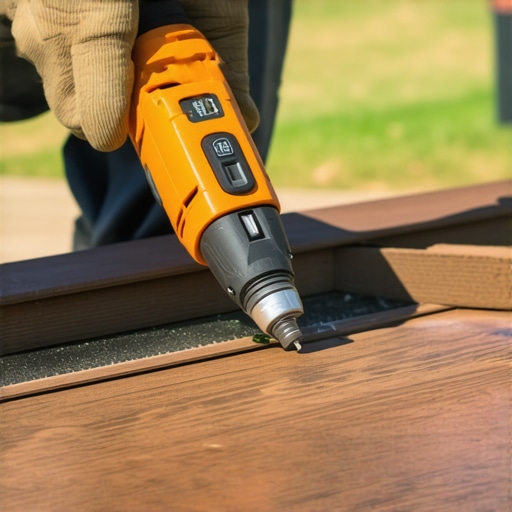
After completing my extensive outdoor stair renovation using aluminum stringers, I realized that the true value isn’t just in the materials or tools but in the lessons learned along the way. Sharing these insights can save fellow DIY enthusiasts from common pitfalls and inspire smarter choices for resilient, beautiful outdoor projects.
What I Wish I Knew Before Starting Out
- Not All Aluminum Is Equal: Choosing high-quality, corrosion-resistant aluminum made a significant difference in durability and safety. Falling for cheaper, low-grade options can lead to premature failure and safety hazards.
- Precision Matters More Than Speed: Rushing measurements and cuts can result in instability. Taking extra time with proper tools and double-checking each step ensured a solid, lasting structure.
- Don’t Underestimate Support Needs: Properly supporting the stringers and ensuring correct angles prevents future wobbling or uneven steps. It’s worth investing in the right brackets and anchors upfront.
- Maintenance Is Easier When You Do It Right: Regular inspections and gentle cleaning with the right gear prolongs lifespan—yet many overlook this, leading to avoidable repairs down the line.
- Partnering with Professionals Can Save Headaches: When in doubt, consulting experienced deck builders can improve design choices and compliance, saving time and ensuring safety.
Tools and Resources That Make the Difference
- High-Quality Cordless Oscillating Multi-Tool: I rely on a versatile tool like the Moisture Meter Digital Pin-Type to detect hidden issues early and perfect cuts on aluminum without damaging surfaces.
- Heavy-Duty Metal-Cutting Blade: A dedicated blade ensures clean, precise cuts for aluminum stringers, saving time and reducing material waste.
- Level and Measuring Tape: These basic tools can’t be underestimated—they’re crucial for ensuring even, safe stairs that meet code standards.
- Educational Resources: The expert tips for outdoor living projects provided guidance that made complex steps manageable and inspired confidence throughout the project.
Push Your Outdoor Limits and Embrace Change
Embarking on an upgrade with aluminum stringers revitalized not just my stairs, but my entire approach to outdoor living. Don’t hesitate to experiment with materials and techniques that elevate safety and aesthetics. Your outdoor space deserves to be functional, beautiful, and built to withstand the test of time. If you’re contemplating a similar project, start now—every step taken with care turns your backyard into a true sanctuary.
Have you ever faced doubts about choosing the right materials or tools for outdoor upgrades? Share your experiences below and let’s learn together!