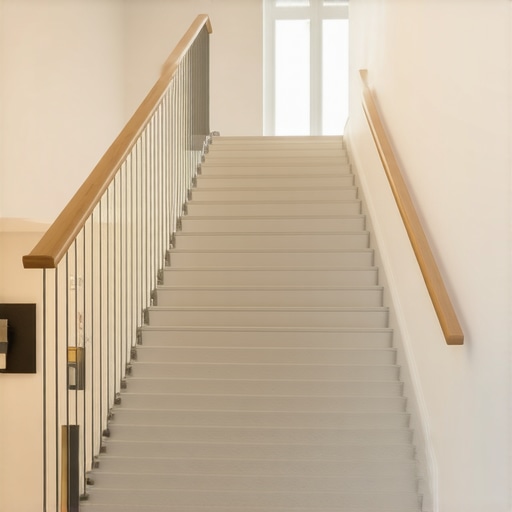
I remember the moment clearly. I was standing on my aging deck, feeling that familiar drip of sweat from the summer sun, when I reached for the old wooden handrail. As my hand grasped the grainy surface, I realized how tired I’d become of constantly sanding, staining, and worrying about rot. That lightbulb moment hit me hard: traditional wood handrails might look charming, but they come with a host of frustrations that no longer fit my outdoor lifestyle.
Embracing Change: Out With the Old, In With the New
For years, I accepted the upkeep and the occasional splinter that came with my wooden handrails. But as my outdoor space became more of a haven rather than just a backyard project, I started questioning if there was a smarter, more durable solution. The truth is, modern materials like composite decking and railings have revolutionized outdoor living. They promise less maintenance, better longevity, and a cleaner look that ages gracefully. After some research and personal experience, I decided to make the switch, and I haven’t looked back.
But I get it—changing long-standing habits and trusting newer materials can feel risky. Are they really worth the hype? Will they stand up to the elements as promised? These are valid concerns, and I’m here to share my journey and tips. Today, I’ll walk you through why I moved away from traditional wood handrails and how it could benefit your outdoor space, too.
Is Composite and Alternative Railing Just a Trend or a Long-Term Solution?
Early in my project, I made the mistake of believing that traditional wood was still king for outdoor railings. My oversight was underestimating the influence of weather, insects, and ongoing maintenance. These factors can turn a beautiful deck into a constant project of repairs instead of relaxation. The key is to choose materials that offer resilience without sacrificing style.
According to a recent report, composite decking sales are predicted to reach a staggering $4 billion globally by 2025, highlighting how homeowners are shifting towards low-maintenance, durable alternatives that meet modern outdoor needs. For detailed insights on current trends, check out this comprehensive guide on latest composite decking trends for 2025.
If you’ve faced the constant cycle of sanding and sealing your wood handrails, or if you’re just tired of the looming threat of rot and insect damage, you’re not alone. This post will explore practical, proven options for upgrading your outdoor railings—so you can enjoy your space without the stress of ongoing upkeep. Ready to see how you can transform your deck with smarter choices? Let’s dive into the specifics.
Prepare Your Site and Materials
Start by clearing the area where your deck will sit, removing any debris, plants, or uneven soil. Measure the space precisely, considering the footprint of your planned decking and stairs. Choose high-quality composite decking that matches your style; consult the latest trends for 2025 to select durable options.
Lay the Foundation Carefully
Dig footings below the frost line for stability, especially on slopes or unstable ground. Use a level to ensure each footing is even, as uneven support leads to wobbly decking. Think of this step as laying the foundation of a building—if it’s off, the entire structure suffers. A concrete footing will provide a solid base and prevent shifting over time.
Build the Frame with Precision
Attach pressure-treated ledger boards to your house or boundary structures, ensuring they are securely fastened with proper flashing to prevent rot. Space joists according to the decking manufacturer’s recommendations—typically 16″ or 24″ on center. Use a framing square and a level to double-check angles and alignment, avoiding annoying creaks and wobbles down the line. For detailed framing techniques, see our guide on deck framing hacks.
Lay Out and Install the Deck Boards
Begin installing composite boards perpendicular to the joists, leaving a 1/4-inch gap for drainage and thermal expansion. Use hidden fasteners to improve appearance and prevent grain splitting, similar to how you’d hide nails in woodworking—see hidden fasteners’ limitations. Secure each board tightly without over-torquing, which can cause cracking, akin to snapping a thin twig. Stagger the joints for strength and aesthetic appeal.
Cutting Curves and Edges
Use a carbide-tipped saw for clean cuts; measure twice, cut once. For curves or rounded edges, mark carefully and cut gradually. When working around obstacles like posts or landscape features, scribe the boards to fit exactly, similar to fitting puzzle pieces. Practice makes perfect—don’t worry if your first cut isn’t perfect, as sanding can smooth out minor imperfections.
Construct the Stairs for Safety and Style
Measure the total rise from ground to deck level; divide by the proper riser height (commonly 7-8 inches) to determine the number of steps. Use a framing square to mark stringers and cut them precisely; incorrect cuts can lead to uneven steps, which feel unsafe. Attach the stringers securely to the deck and ground using heavy-duty hangers, ensuring they can support weight without sagging. For further insights, review our stairs design tips.
Install the Treads and Add Finishing Touches
Fasten composite treads onto the stringers, leaving small gaps for water runoff. Use appropriate fasteners to prevent squeaks and ensure longevity. For added safety, consider installing LED stair lighting or non-slip nosing strips; these are simple upgrades but significantly enhance safety. Seal all seams and check for loose fasteners periodically to maintain a secure, inviting outdoor space with minimal maintenance.
Many homeowners assume that choosing composite decking and upgrading their outdoor living spaces is straightforward, but in reality, there’s a wealth of nuances that often go unnoticed. **Contrary to popular belief, not all composite materials are created equal**—some brands and types perform better in specific climates or usage scenarios. For instance, mineral core composites are less susceptible to thermal expansion and warping, a detail overlooked by many who just pick a popular brand without thorough research. This subtle difference can mean the difference between a deck that lasts decades and one that shows signs of aging within a few years.
One common myth is that **all composite decking is maintenance-free**. While it’s true that composite generally requires less upkeep than wood, some types need specific cleaning routines to prevent mold and staining, especially in humid environments. Homeowners often avoid these details, leading to premature degradation or dissatisfaction with their investment.
When it comes to stairs, many believe that standard stringer configurations suffice. However, **the hidden nuance lies in the structural design**, especially when dealing with wider stairs or heavy usage. Single stringer setups, for example, can lead to sagging and creaking over time, a mistake that can be avoided with proper double-stringer support or cantilevered treads. For advanced outdoor projects, understanding these details is crucial for safety and durability.
In the realm of outdoor living, **a common oversight is overlooking proper site preparation and drainage**. Even the best composite deck can suffer from rot and structural issues if water isn’t properly diverted. Installing a proper under-deck drainage system or ensuring slight slopes can prevent water accumulation and extend the lifespan of your deck components. Refer to our article on seamless outdoor transitions for more insights.
Another critical point is understanding the importance of the correct fasteners and brackets. Using standard wood screws on composite decking can cause cracking or unsightly gaps. Instead, specialized hidden fasteners and corrosion-resistant hardware should be used, especially in coastal or salty environments. A misstep here is a quick route to repairs and costly replacements.
Finally, if you’re considering a large-scale project, knowing when to hire a professional can save you from costly mistakes. While DIY can be tempting, **the advanced nuances of structural integrity, code compliance, and material selection are best handled by expert deck builders**. They bring experience that goes beyond the surface, ensuring your outdoor space is safe, beautiful, and long-lasting. Curious about more tips? Check out expert deck builder tips.
Have you ever fallen into this trap? Let me know in the comments.Maintaining a durable and beautiful outdoor living space requires more than just good intentions; it demands the right tools and a consistent approach. As a seasoned deck builder, I’ve found that investing in high-quality equipment and understanding their specific applications can significantly extend the lifespan of your composite decking and stairs. One essential tool I rely on is the cordless impact driver. Its power and portability make fastening hidden fasteners, such as clips for a seamless deck surface, remarkably efficient. For example, the hidden fasteners require precision torque—something that a quality impact driver ensures without damaging the material.
Another indispensable item is a good scribing tool or a jig saw with a fine blade. When working around irregular landscape features or custom angles, these tools allow for precise cuts that prevent gaps and splinters, especially crucial when fitting composite boards around existing structures. Don’t overlook the importance of a moisture meter; it can help you determine if your wood framing or supporting posts are properly dried before installation, avoiding future mold or warping issues.
To keep your tools in tip-top shape, regular maintenance is essential. Clean and lubricate power tools after each use, and store them in a dry, organized space to prevent corrosion. I also make it a habit to replace worn-out blades or bits promptly; dull tools can cause inaccuracies and safety hazards.
Looking ahead, the trend of automation and smart tools is set to revolutionize outdoor construction. For instance, laser levels and digital string lines are becoming more affordable and accessible, ensuring perfect alignments and level surfaces with minimal effort. Investing in these advanced tools now can streamline your workflow and improve the long-term quality of your deck and stairs.
How do I maintain composite decking and stairs over time? Regular cleaning with a soft brush or a suitable composite cleaner, combined with periodic inspections for loose fasteners or signs of wear, will keep your outdoor structures both safe and visually appealing. Remember, addressing small issues early prevents costly repairs down the line.
If you’re ready to elevate your DIY game, I highly recommend trying out a router with a flush trim bit. It’s perfect for detailed edging or custom shaping of composite boards, giving your project a professional finish. Proper tool selection and maintenance not only make the job easier but also ensure your outdoor living space remains inviting and durable for years to come. For personalized advice or to source quality tools, don’t hesitate to reach out to me. Your perfect deck is just a well-equipped workshop away.
What I Wish I Knew When Starting Out
Before I fully transitioned to composite decking, I underestimated the significance of choosing the right fasteners and supports. A small oversight here led to creaky stairs and uneven surfaces, teaching me that every detail counts in outdoor builds. Additionally, I once assumed that all composite materials were equally durable—only to find that mineral core options outperform standard ones in hot climates. Lastly, embracing advanced tools like laser levels revolutionized my efficiency, proving that investing in good equipment pays off long-term.
The Tools That Changed My Approach
- Impact Driver: Essential for quick, secure fastening, especially with hidden clips. Trust me, it saves hours and frustration.
- Laser Level: Achieving perfect alignment on stairs and railings becomes effortless, ensuring professional results every time.
- Scribing Tools or Fine Jigsaws: Critical for fitting boards around curves and irregular features, making your work seamless and polished.
- Moisture Meter: Prevents future warping by verifying that framing is dry enough for installation, extending deck lifespan.
Seize the Moment and Transform Your Outdoor Space
Building or upgrading your outdoor living area might seem daunting, but with the right knowledge and tools, it’s a fulfilling journey. Remember, each project is an opportunity to learn and craft something you’ll enjoy for years. Whether you’re replacing old wood with composite or adding stylish stairs, taking that first step can be the start of a beautiful transformation. You’re capable of creating a space that combines durability, style, and comfort—so go ahead and make your outdoor dream a reality.