I remember the moment clearly—standing on my deck after just one summer of exposure to the salty coastal air. The screws that once held my deck together had already started to show signs of rust, wobbling slightly when I stepped on them. It was a lightbulb moment: my outdoor project, meant to be my sanctuary, was fighting a losing battle against the relentless salt spray. That realization prompted me to seek a better, more durable solution. Today, I want to share with you not just the importance of choosing the right fasteners near the coast, but also a practical approach that has kept my deck sturdy and beautiful year after year.
Choosing Fasteners That Stand Up to Coastal Conditions
When I first built my deck, like many homeowners, I used standard galvanized screws. They seemed sturdy enough at the outset, but I quickly learned that saltwater proximity accelerates corrosion far beyond what typical hardware could withstand. The failure of these fasteners wasn’t just an aesthetic issue; it posed safety risks and led to costly repairs.
After some research and personal trial, I discovered stainless steel fasteners—specifically, those rated for marine environments. Unlike galvanized options, stainless steel is resistant to rust and corrosion, making it ideal for coastal projects. They might cost a bit more upfront, but their longevity saves money and headaches in the long run. For insights into how stainless steel can transform your outdoor spaces, check out this [deck builder insights](https://deckdesignbuild.com/deck-builder-insights-designing-your-dream-outdoor-space).
By opting for stainless steel fasteners, I significantly increased my deck’s resilience. It’s a small change that made a world of difference—keeping my deck secure, safe, and looking new through every season. If you’re tired of replacing rusted screws or worried about the structural integrity of your outdoor living spaces, making this switch could be your game-changer.
Is Stainless Steel Fasteners Really Worth the Extra Cost?
Like many DIY enthusiasts, I was initially skeptical about paying more for stainless steel fasteners. I wondered if they were just a luxury or necessity. My early mistake was underestimating the brutal effects salt air has on regular hardware—completely overlooking how quickly galvanized screws deteriorate over time near water.
The truth is, investing in quality fasteners isn’t just about immediate savings; it’s about long-term durability and safety. If you’re building or maintaining a deck near the coast, the extra expenditure on stainless steel can prevent costly replacements and potential accidents. Trust me—I’ve been there. For comprehensive advice on material choices, explore this [composite decking trends](https://deckdesignbuild.com/composite-decking-trends-2025-the-ultimate-guide-for-outdoor-enthusiasts) guide to stay ahead of the game.
Now that I’ve shared my experience and the reasons behind my switch, let’s dive into how you can start upgrading your fasteners today—and keep your outdoor haven safe and sound for many years to come.
Select the Right Fasteners for Coastal Durability
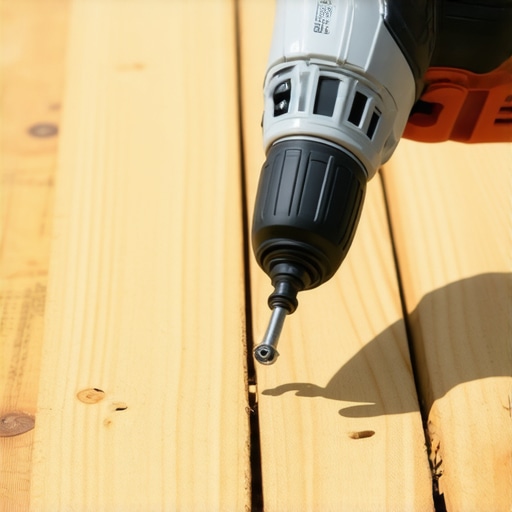
To ensure your deck withstands salty air, start by choosing marine-grade stainless steel fasteners. These fasteners resist corrosion better than standard options, making them ideal for coastal environments. I remember a summer afternoon when I decided to replace my deck screws; I set up my work area with a drill and a box of stainless steel screws. The result was a sturdy, rust-free deck that continued to impress after years of exposure.
Gather Necessary Tools and Materials
Before beginning, assemble your tools: a drill with appropriate bits, a torque screwdriver if available, safety glasses, and a measuring tape. For materials, get stainless steel fasteners rated for marine use, compatible with your deck material—be it wood or composite. Using the right tools and fasteners simplifies the installation process and reduces errors. I once tried to install fasteners with a standard screw gun, but the lack of torque control made it difficult to prevent overdriving, leading to damaged boards.
Measure and Mark Placement for Fasteners
Accurate spacing is vital. Use a measuring tape to mark where each screw or bolt will go, typically placing fasteners 16 inches apart along the joists for wood decks. For composite decking, slightly closer spacing may be necessary to handle expansion. I learned this the hard way when I felt a board wiggle after a year because I spaced fasteners too far apart. Marking guides with chalk or pencil helps maintain consistency.
Pre-Drill for Precise Insertion
Pre-drilling prevents splitting and guides fasteners straight into the material. Use a drill bit slightly smaller than the screw diameter. Especially near the coast, pre-drilling reduces stress on the hardware, lowering the risk of snapping or wobbling. I once skipped pre-drilling on a section and ended up splitting a composite board, which required rework and delayed my project.
Insert Fasteners Carefully for Alignment
Position the fastener perpendicular to the surface, and drill in slowly with consistent pressure. Use a torque-controlled drill to avoid over-tightening, which can strip threads or distort the board. When I switched to a torque screwdriver, I noticed the uniformity and tightness improved, avoiding future squeaks and wobbling.
Check the Finish and Adjust as Needed
Once all fasteners are in place, examine each for proper depth—flush but not countersunk—and alignment. Adjust any that seem loose. Properly installed fasteners keep your deck safe and look professional. I remember an instance where a single loose screw caused a wobbly railing, which I fixed promptly with an extra turn. This quick fix saved me from more extensive repairs later.
Protect and Maintain Your Fasteners
Apply a protective coating or use sealant around screw heads to prevent moisture ingress. Periodic inspection and tightening extend the lifespan of your fasteners. I conclude each season by checking for rust and corrosion, replacing any compromised hardware immediately. This routine maintenance helps keep my deck looking pristine and structurally sound, even after years of salty exposure.
Most homeowners assume that building a beautiful outdoor deck is simply about selecting nice materials and following basic construction steps. But seasoned deck builders understand that there are subtle pitfalls and advanced nuances that can make or break your project longevity and safety. For instance, one common misconception is that composite decking requires no maintenance; in reality, certain brands demand specific cleaning routines to prevent mold and staining, as pointed out in recent industry studies. Additionally, many underestimate the importance of proper ventilation beneath the deck, which helps prevent moisture buildup that accelerates wood rot and reduces the lifespan of your structure.
How does joist spacing affect long-term durability beyond basic support?
Advanced builders recognize that optimal joist spacing not only influences load capacity but also impacts how the deck handles thermal expansion and contraction cycles, especially in varying climates. Incorrect spacing can lead to warping or buckling, which are costly to fix later. Experts recommend using simulation tools and climate data to determine precise support intervals, a practice advocated by leading industry engineers. Moreover, when planning stairs, many get caught up in aesthetic choices without considering code-compliant riser heights and tread depths that enhance safety, especially for children and elderly users. Failing to adhere to these standards can result in inspections failures and potential accidents. An overlooked detail is the ledger board installation; improper flashing and sealing techniques are often the cause of water intrusion, leading to rot in the supporting wall and deck framing. It’s critical to follow best practices, as outlined in specialized guides, to prevent these issues rather than reacting to them after damage occurs. Incorporating proper drainage solutions, such as gaps and slope corrections, might seem trivial but are vital in coastal zones where salt and moisture accelerate corrosion. Neglecting these aspects is a common mistake, often leading to early deterioration of fasteners and framing components. So, if you’re planning an upgrade or a new build, consider these nuanced factors to ensure your outdoor living space remains beautiful, safe, and durable for decades. Don’t forget to consult a professional deck builder to navigate these complexities—you’ll thank yourself later. Have you ever fallen into this trap? Let me know in the comments.
Keep Your Deck Sound with the Right Tools and Routine Maintenance
Maintaining a durable and beautiful outdoor space requires more than just quality materials; it hinges on having the right tools and a well-planned maintenance strategy. Personally, I rely on a few key pieces of equipment that streamline my upkeep process and ensure my deck remains in top condition for years to come.
Invest in a High-Quality Power Drill with Variable Speed Control
My go-to tool for all fastening and pre-drilling tasks is a cordless drill with adjustable torque settings. I prefer models like the Makita XFD12Z because they provide precise control—crucial when installing stainless steel fasteners near saltwater environments. Variable speed control allows me to drive screws smoothly without over-tightening, which is essential for preventing damage to composite or wooden boards. Over time, I’ve noticed that using an LED work light attached to my drill significantly improves visibility, especially in shaded or dim areas.
Use a Laser Level for Consistent Alignment
A laser level is invaluable when aligning deck boards, stairs, or railings. I swear by my Klein Tools Line Generation Laser Level for its accuracy and ease of setup. Proper alignment not only looks professional but also distributes weight evenly, reducing stress points that could lead to cracking or warping. For complex levels or multi-tier decks, this device ensures everything remains perfectly straight, saving me from costly rework.
Stay on Top with a Rotating Power Washer
Routine cleaning with a power washer prepared with a low-pressure nozzle keeps mold, mildew, and salt deposits at bay. I recommend a model like the Sun Joe SPX3000 because it offers adjustable pressure control and dual detergent tanks, making it easy to switch between cleaning and rinsing. Regular cleaning, at least bi-annually, prevents debris buildup that accelerates corrosion or rot—especially critical for coastal decks. Remember to follow safety protocols to avoid damaging your surface, and always use environmentally friendly cleaning solutions.
Embrace Digital Planning Tools for Future Upgrades
When planning long-term improvements, I turn to software like SketchUp to visualize modifications before physical work begins. This digital approach helps me anticipate how different materials, layouts, and features will interact, making future scaling or repairs more straightforward. Experts also advise periodic inspections using detailed checklists—I personally use a smartphone app tailored for home maintenance to track updates and set reminders.
Prediction of Future Trends in Deck Maintenance
Looking ahead, automation and smart technology will become more integrated into outdoor living spaces. Sensors that monitor moisture levels, fastener corrosion, or structural shifts could alert homeowners before issues become apparent. Keeping your tools updated and adopting preventive maintenance routines now positions you advantageously for these technological advances.
Questions to Keep It Working: How Do I Maintain My Deck Over Time?
To ensure longevity, schedule routine inspections—checking for loose fasteners, signs of rot, or corrosion—and address these issues promptly. Applying protective coatings annually, especially on metal components, helps resist salt spray damage. Additionally, consider using sealants designed for composite decking, which can guard against stains and moisture ingress, prolonging your deck’s beauty and strength. Regular cleaning, combined with targeted repairs, creates a resilient outdoor space that endures the test of time.
Lessons the Salt Taught Me—And You Should Remember
One of the biggest eye-openers was realizing that no matter how durable standard fasteners seem, salt air will always find a way to corrode them if you’re not proactive. I once ignored this and paid the price with wobbly rails and constant repairs, which taught me that investing in quality stainless steel fasteners isn’t just a luxury but a necessity. Additionally, I learned that proper ventilation and drainage underneath the deck are invisible heroes—without them, even the sturdiest materials can falter early on. Don’t fall into the trap of overlooking small details; they often determine whether your outdoor project lasts decades or just a few seasons. Lastly, I’ve realized that patience in pre-drilling and precise alignment saves substantial time and money later—rushing often results in costly fixes and safety concerns. These lessons are invaluable for anyone aiming to build or maintain a durable coastal deck.