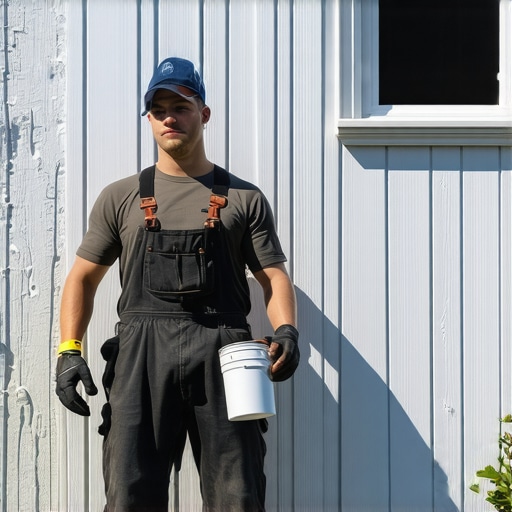
Why I Stopped Using Standard Primer for Exterior Painting Projects
After more than 16 years serving as a painting contractor in Noblesville and the greater Indianapolis area, I’ve seen it all. I’ve seen beautiful historic homes in Zionsville stripped of their character by peeling paint, and modern builds in Fishers losing their curb appeal in less than three seasons. Most homeowners assume the culprit is a “cheap” topcoat or a lazy painter. While those are factors, the real villain is often hidden beneath the surface. I’m Andy Danforth, lead at DeckDesignBuild.com, and I’m here to tell you why I’ve completely abandoned “standard” primers for exterior painting in Indianapolis. The “Standard Primer Trap” is the single most common reason for project failure, and if you’re planning to invest in your home this year, you need to know why the industry-standard approach is setting you up for a costly redo.
When I first started in this industry, I followed the manufacturer’s labels just like everyone else. I used the “universal” primers that promised to work on everything from wood to metal. But after a few years of returning to job sites to address premature failure, I realized that “universal” actually meant “mediocre at everything.” In our volatile Indiana climate, mediocre prep is a recipe for disaster. As house painters in Indianapolis, we aren’t just fighting aesthetics; we are fighting the laws of physics and chemistry.
The Marketing Myth of “Paint and Primer in One”
If you walk into any big-box hardware store in Carmel or Fishers, you’ll see shelves lined with cans labeled “Paint and Primer in One.” It sounds like a dream: fewer coats, less labor, and a lower price tag. However, as a professional painting contractor in Noblesville, I can tell you that this is a marketing term, not a technical reality. Paint and primer serve two diametrically opposed functions.
A true primer is designed for adhesion, sealing, and stain blocking. It has a high concentration of resin and a smaller molecular structure, allowing it to penetrate deep into the pores of the substrate. Topcoat paint, on the other hand, is designed for UV resistance, color retention, and durability against the elements. When you combine them, you get a product that is too thick to penetrate the surface and too thin to provide a truly durable protective barrier. For exterior house painters in Zionsville, using these products often leads to “flashing” – that unsightly, uneven sheen where the substrate has sucked the moisture out of the paint because it wasn’t properly sealed first. It might look good for six months, but once the first hard winter hits, the bond begins to fail.
The Indianapolis Factor: Why Our Climate Destroys Cheap Prep
Why am I so adamant about this? Because we live in Indianapolis. Our weather is notoriously brutal on building materials. We experience extreme humidity in the summer and a vicious freeze-thaw cycle in the winter. This creates a “pumping” action in wood and masonry. As the temperature fluctuates, the materials expand and contract repeatedly.
Standard, cheap primers – and especially those “all-in-one” products – tend to become brittle as they age. They lack the elongation properties required to move with the home. When house painters in Fishers IN or house painters in Carmel IN use these low-performance products, the primer eventually loses its grip. Small hairline cracks form, moisture gets behind the film, and during the next freeze, that moisture expands and blows the paint right off the surface. Professional-grade specialty primers are engineered to remain flexible, maintaining a tenacious bond even when the temperature drops 40 degrees in twelve hours.
3 Reasons Standard Primers Fail on Your Home’s Exterior
To understand why I’ve shifted my entire business model toward high-performance priming systems, you have to look at the three primary ways standard products fail.
Failure to Block Tannins and Stains
If your home has cedar or redwood siding, standard water-based primers are your worst enemy. These woods contain natural oils called tannins. When a standard primer is applied, the water in the primer pulls those tannins to the surface, resulting in brownish-yellow tea-staining that bleeds through even three coats of expensive paint. This is a common issue I see when performing why solid-color stains peel and what to use instead evaluations. Without a high-solids, stain-blocking primer – often an oil-based or high-end synthetic – you will never stop that bleed.
Poor Adhesion on Glossy or Weathered Surfaces
Standard primers rely on a mechanical bond, meaning they need a “tooth” to grab onto. While we always sand and prep, there are many surfaces (like old lead-based paint, factory-finished metals, or smooth PVC) where standard primers simply slide off. As exterior painting experts in Indianapolis, we use specialty bonding primers that create a chemical bond with the surface, ensuring that the paint stays put even on the slickest substrates.
Inadequate Sealing of Porous Substrates
New wood and masonry are incredibly thirsty. If you apply a standard primer, the substrate absorbs the binder (the “glue” of the paint), leaving the pigment sitting on the surface like a dry powder. This is known as “chalking” from the inside out. This is particularly dangerous at the ground level. We often see this failure on deck posts or the bottom edge of siding. It’s why I always emphasize why I always paint the cut ends of pressure-treated lumber with a high-performance sealer to prevent moisture from wicking up into the grain.
What I Use Instead: The Professional’s Toolkit
So, if I’ve stopped using standard primers, what am I using? As a dedicated exterior house painter in Zionsville, my toolkit is now substrate-specific. We no longer believe in a “one size fits all” approach.
- For Wood Siding: We use long-oil alkyd primers. These dry slowly, allowing the oil to soak deep into the wood fibers, creating a root-like bond that water-based products can’t match.
- For Masonry and Brick: We utilize alkali-resistant primers and masonry conditioners. These are designed to withstand the high pH levels of new mortar and concrete, preventing the “alkali burn” that causes paint to flake off in sheets.
- For Problem Areas: When we encounter moisture-prone areas, we implement specific architectural tricks, such as the post-base trick that prevents rot at the concrete line, combined with specialized moisture-barrier primers.
By selecting the primer based on the specific needs of the material, we ensure that the topcoat is purely decorative and protective, rather than struggling to do the job of the prep layer.
Why This Matters for Your Interior and Cabinets Too
While this post focuses on the exterior, the philosophy of high-performance priming is just as critical indoors. As interior painters in Indianapolis, we see the same “all-in-one” failures on drywall and trim. However, nowhere is this more evident than in cabinet painting in Indianapolis.
Kitchen cabinets are high-touch, high-grease environments. If a contractor uses a standard “wall primer” on your oak or maple cabinets, the finish will fail within months. We use specialized extreme-bond primers that are resistant to skin oils and household chemicals. Whether it’s the siding on your home in Noblesville or the cabinets in your Fishers kitchen, the primer is the foundation of the entire project. If the foundation is weak, the whole thing falls apart.
The Long-Term ROI of Proper Priming
I understand that specialty primers come with a higher price tag. They can cost 20% to 30% more than “standard” options, and they often require more skill to apply. But let’s look at the Return on Investment (ROI).
A standard exterior paint job in Central Indiana typically lasts 4 to 6 years before it needs significant touch-ups. By using a high-performance priming system, we can easily extend that lifespan to 10 or 12 years. When you calculate the cost of labor – which is 80% of any painting quote – paying a little more for a superior primer today saves you the cost of an entire repaints worth of labor five years from now. As house painters in Carmel IN, we want to be the last painters you have to call for a decade.
Don’t settle for a “standard” paint job that peels in two years. If you want a finish that is engineered to survive the Indianapolis climate and look beautiful for years to come, you need a contractor who understands the science of the surface. Contact Us at Deck Design Build for a comprehensive exterior inspection and a quote that prioritizes longevity over shortcuts. Let’s do it right the first time.