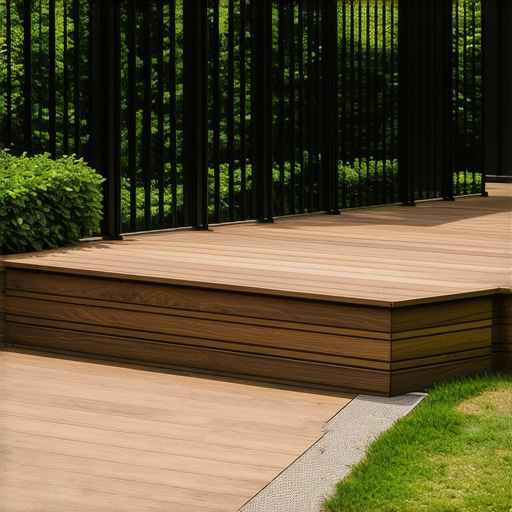
It all started with a simple backyard project, but what I learned along the way changed my approach entirely. I vividly remember the first time I installed wooden railings on a deck; I thought it was a quick, cost-effective choice. But within just a couple of years, I faced endless problems—splintered edges, relentless rot, and the constant need for maintenance. That lightbulb moment hit me hard: wood, no matter how well-treated, just isn’t built for the long haul in outdoor environments.
Choosing the Right Material for Durability and Style
As I delved deeper into outdoor living, I discovered that alternative materials like composite decking and aluminum railings offer a far superior balance of aesthetic appeal and durability. My experience taught me that investing in quality upfront could save a ton of future headaches—and money. Today, I want to share with you why switching away from wood has been such a game-changer in my outdoor projects. Whether you’re planning a new deck or revamping your existing one, understanding these differences can help you make smarter choices for a deck that truly lasts.
Is Composite or Aluminum Truly Worth the Upgrade?
Early on, I made the mistake of thinking that saving money with traditional wood was the way to go. But that assumption was wrong. Wooden railings may look charming, but they demand constant upkeep—scraping, staining, sealing—and often don’t withstand harsh weather conditions. Now, I recommend exploring materials like composite, which resists moisture, rot, and insects, or aluminum, which is virtually maintenance-free and stands up well to saltwater air if you’re near the coast. For a comprehensive look at the latest trends, check out our guide on [composite deck trends for 2025](https://deckdesignbuild.com/composite-decking-trends-2025-the-ultimate-guide-for-outdoor-enthusiasts).
Incidentally, did you know that according to the
[National Association of Home Builders](https://deckdesignbuild.com/creating-seamless-transitions-stairs-as-key-elements-in-outdoor-living), decks with low-maintenance railings often significantly boost property value? That’s a compelling reason to reconsider traditional wood sooner rather than later.
If your previous projects have left you frustrated with rot or constant painting, you’re not alone. Many outdoor enthusiasts have faced similar dilemmas before discovering better alternatives. In the next sections, I’ll walk you through how to select materials that withstand the test of time, and share practical tips for installing your new railings with confidence. Ready to make your outdoor space truly last? Let’s dive into the specifics.
Preparing Your Materials and Tools
Before starting, gather all necessary materials like composite railing sections, post anchors, brackets, screws, a power drill, measuring tape, level, and safety gear. I once attempted a quick project without proper safety glasses, which led to a minor eye injury. That taught me the importance of proper preparation and safety.
Measuring and Planning Layouts for Stability
Accurately measure the perimeter of your deck to determine the length of railing needed. Use a measuring tape and mark locations for posts to ensure even spacing, typically 6 to 8 feet apart. Visiting the deck site, I marked the post locations with chalk, double-checked measurements, and adjusted for uneven terrain, which saved me headaches later. This initial planning guarantees a balanced, sturdy setup.
Spacing for Aesthetic and Safety Compliance
Ensure the spacing between balusters and the height of railings meet local safety regulations—usually 4 inches maximum between balusters and at least 36 inches in height. I once realized my spacing was too wide after a child’s curious hand slipped through, emphasizing the need for precise measurements from the start.
Installing Posts with Precision and Support
Start by installing the posts on concrete or wooden deck surfaces using appropriate post anchors. Use a level to ensure each post is plumb, and temporarily brace them if needed. I once skipped checking the verticality, resulting in a crooked railing that needed fixing later. Securing posts correctly creates a reliable framework for the entire railing system.
Securing Posts with Proper Fasteners
Use corrosion-resistant screws or anchors suitable for composite materials. Drive fasteners uniformly to avoid wobbling. I learned the hard way that using improper fasteners led to loosened posts within months, so invest in quality fasteners designed for outdoor use and composite compatibility.
Assembling and Attaching the Railing Sections
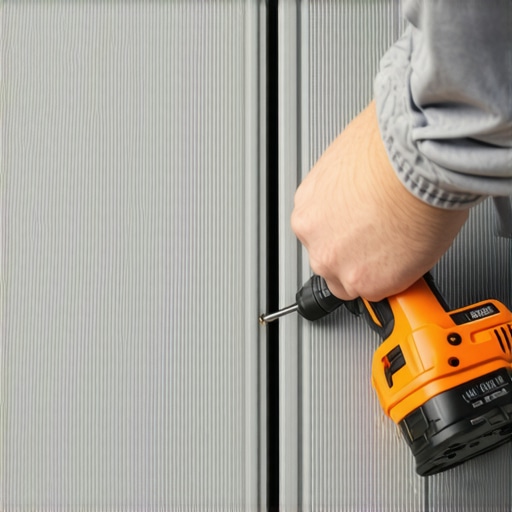
Connect the railing sections to the posts with brackets, following the manufacturer’s instructions precisely. Use a drill with a screwdriver bit for efficient fastening. I once tried to assemble panels without reading the instructions, which resulted in misaligned sections that required disassembly and reinstallation—time-consuming and frustrating.
Ensuring Level and Straight Rails
Regularly check the horizontal rails with a level as you attach them. Adjust as needed before fastening permanently. During my project, I discovered a slight incline in the deck, so I shimmed the posts slightly to make the rails perfectly level, improving both safety and appearance.
Finishing Touches for Lasting Durability
Seal any cut ends with a composite-compatible sealant to prevent moisture ingress. Add caps to posts for aesthetics and extra protection. I once neglected this step, and water seeped into post tops, causing deterioration. Finishing properly prolongs the lifespan and maintains the aesthetic appeal of your deck.
Final Inspection and Adjustments
Walk around and inspect the entire railing for stability, loose fasteners, and alignment. Tighten any loose screws and make minor adjustments. I recall missing a wobble in one section that I corrected after the initial check, ensuring safe use for years to come. Regular inspections enhance safety and durability over time.
When it comes to upgrading outdoor living spaces, composite decking has become a top choice among homeowners and builders alike. However, despite its popularity, there are several misconceptions that can lead to costly mistakes. Let’s dig deeper into some of the less obvious truths about composite decking that often trip people up.
One common myth is that all composite materials are created equal. In reality, the quality and characteristics vary significantly between manufacturers. Some composites contain high wood fiber content, which may lead to quicker weathering and color fading, while others use mineral cores or capped composites that offer superior durability. It’s crucial to understand these nuances before making a selection. Many assume that cheaper options will last just as long, but skimping on quality can cause premature warping, staining, or mold growth. To make informed decisions, consult detailed guides like [composite deck trends for 2025](https://deckdesignbuild.com/composite-decking-trends-2025-the-ultimate-guide-for-outdoor-enthusiasts) and consider consulting a professional deck builder who understands the subtleties of various materials.
Another overlooked aspect is the installation process. Even the best composite board can fail prematurely if not installed correctly. For example, overlooking proper spacing for thermal expansion can lead to buckling or warping over time. Additionally, many DIY enthusiasts neglect the importance of using the right fasteners—stainless steel or other corrosion-resistant options—particularly in coastal or humid environments. Incorrect fastening can cause boards to loosen or split, compromising safety and aesthetic appeal. For comprehensive tips on installation, the article on [seamless transitions in stairs](https://deckdesignbuild.com/creating-seamless-transitions-stairs-as-key-elements-in-outdoor-living) offers valuable insights.
Now, consider the advanced question: How does the choice of joist materials and framing impact the longevity of a composite deck?
The framing is often an afterthought, yet it plays a critical role in the overall durability of your outdoor space. Using pressure-treated lumber for joists is standard, but upgrading to steel or composite framing can significantly extend the lifespan by resisting rot and insect damage. Moreover, proper flashing and drainage details are essential to prevent water infiltration that damages underlying structures. In fact, integrating these elements effectively can add decades to your deck’s life, making it a worthy investment. For more on durable framing strategies, visit our guide on [building a long-lasting deck](https://deckdesignbuild.com/the-secret-to-building-a-deck-that-lasts-fifty-years-2).
Finally, maintenance practices are often underestimated in their impact. Regular cleaning, inspecting, and sealing gaps can prevent issues from cropping up unexpectedly. But beware of overcleaning or using abrasive cleaners, which can scratch and degrade composite surfaces. Recognizing these subtle distinctions is vital for maintaining your investment.
Have you ever fallen into this trap? Let me know in the comments. Don’t forget, choosing the right materials and approach now saves you headaches later, turning your outdoor area into a true sanctuary rather than a money pit.
Essential Tools for Long-Term Deck Care
Maintaining a durable outdoor deck requires precision and the right equipment. I personally rely on a high-quality cordless impact driver for fastener installation and adjustments, especially when working with composite materials that demand specific fastener types. Its portability and battery life allow me to work efficiently without interruptions. Additionally, a digital moisture meter has become indispensable for assessing the health of wooden framing before repairs, ensuring I catch potential rot issues early before they escalate.
For cleaning, I recommend a power washer with adjustable pressure settings. I prefer models that offer nuanced control to clean decks effectively without damaging composite surfaces. Overly aggressive pressure can cause surface etching, so I set my washer to around 1500 psi when cleaning composite decking, following manufacturer recommendations.
Software and Planning Aids
Accurate planning minimizes future maintenance headaches. I utilize deck design software like Trex Deck Designer to visualize projects and calculate material needs precisely. Such tools help me showcase different layout options, optimum spacing for expansion gaps, and material choices, ultimately saving time and money. For managing project timelines and documentation, I depend on Evernote, which helps me keep track of measurements, photos, and supplier contacts in one easily accessible place.
How do I maintain my composite decks over time?
The key to keeping your composite decking looking pristine involves regular cleaning with warm water and a gentle scrub using a soft-bristle brush and a manufacturer-approved cleaner. Avoid harsh chemicals like bleach, which can degrade surface finishes. Periodic inspections for loose fasteners and warped boards are vital, especially after seasonal weather changes. Applying a specialized composite deck sealant every few years can also help preserve the color and prevent dirt accumulation, though most composite materials are designed to be maintenance-light. Looking ahead, I predict that advancements in self-healing composite coatings might revolutionize outdoor deck longevity, reducing even minor scratches and stains over time. You might want to explore emerging products and consider integrating them into your maintenance routine for future-proofing your outdoor space.
To get a better grip on maintenance, I suggest trying out a digital moisture meter combined with your regular cleaning routine. This combination helps detect hidden issues early, saving you from costly repairs down the line. For more insights into building lasting decks and maintenance tips, check out our page on the benefits of working with a professional deck builder.
What I Wish I Knew About Durable Deck Materials Before Starting
One of my most eye-opening lessons was realizing that choosing affordable, traditional wood often leads to endless maintenance and disappointment. Discovering high-quality composite and aluminum options transformed my outdoor spaces and saved me a lot of future headaches. Trust me, investing in the right material from the outset is a game-changer for longevity and aesthetic appeal.
The Hidden Costs of Skimping on Installation Details
I learned the hard way that proper framing, precise measurements, and using the correct fasteners are crucial. Small mistakes, like skipping the use of corrosion-resistant screws or overlooking expansion gaps, can result in unstable, unsafe, and uneven railings. Taking the time to plan thoroughly and follow best practices pays off enormously in the long run.
Low-Cost Tips That Made a Big Difference in Maintenance
Regular cleaning with gentle cleaners, inspecting fasteners annually, and sealing cut ends are simple habits that extend the life of composite decking and railings. I also found that using a digital moisture meter helps catch hidden issues before they escalate, saving costly repairs. These small investments in upkeep keep outdoor spaces looking fresh and secure over many years.
Insider Wisdom for Customizing Your Outdoor Living Experience
- Embrace technological tools: As I discovered, design software like Trex Deck Designer was instrumental in visualizing layouts and calculating materials accurately, reducing waste and errors.
- Choose framing materials with care: Upgrading to steel framing or using proper flashing improved durability significantly—something many overlook when planning DIY projects.
- Prioritize safety with design: Ensuring compliant spacing and sturdy support structures creates a space that is both beautiful and safe for family and friends.
- Stay curious about innovations: Following trends like [composite deck trends for 2025](https://deckdesignbuild.com/composite-decking-trends-2025-the-ultimate-guide-for-outdoor-enthusiasts) keeps my projects fresh, cutting-edge, and tailored for long-lasting enjoyment.
It’s Your Turn to Elevate Outdoor Living
Armed with these insights, you now have the tools to create a deck that doesn’t just look great but endures the test of time. Remember, thoughtful material choices and meticulous installation are the secret ingredients for a hassle-free outdoor space that becomes your personal retreat for years to come. So, are you ready to start designing your dream deck and avoid the common pitfalls I once fell into? Share your plans or questions below – I’d love to hear about your outdoor living goals!