
It was a sunny Saturday morning when I finally realized my latest multi-level deck had a dangerous wobble at the transition points. I remember stepping onto the top level, only to feel a sudden, unsettling bounce beneath my feet. That moment of uncertainty made me question everything I thought I knew about deck construction. Since then, I’ve learned a crucial lesson that transformed my approach to building outdoor living spaces: never skip double joists at the transition areas in multi-level decks.
The Hidden Danger of Ignoring Double Joists During Transitions
Early in my career, I made the mistake of assuming that standard joist spacing and mounting would suffice for all parts of a deck. But as I started tackling more complex designs, I noticed those transitions, especially where one level meets another, became weak points over time. The wobbling, creaking, or worse—sagging—were telltale signs I needed a better solution. This realization wasn’t just about structural safety; it was about peace of mind for my clients and myself. If you’ve ever experienced just how unsettling a wobbly deck can be, you know exactly what I mean. That’s why I now insist on double joists at all transition points, and I’ll show you why this simple change makes a huge difference.
Question: Is Building Stronger Transitions Worth the Extra Effort?
I’ve admitted to one early mistake: skimping on support at critical transition points. I believed that standard joist layouts would do the job, but over time, I paid the price—literally. The weak spots became loose, and I had to redo those sections, costing time and money. Trust me, I’ve learned the hard way that overlooking double joists here is a false economy. Strengthening these areas isn’t just about durability; it’s about preventing potentially dangerous failures. For those who fear the added complexity or cost, I assure you—it’s a small price to pay compared to the risks of a compromised structure. Want to know how you can implement this efficiently? Keep reading, and I’ll walk you through the essential steps, so your next outdoor project is both safe and stunning.
Building Stronger Transition Support with Double Joists
Start by planning your deck frame carefully, identifying the transition points where different levels meet. As I did on my last project, I measured the span and determine the load capacity needed. Cut two identical joists from pressure-treated lumber or composite, ensuring they match the width and spacing of neighboring joists. Lay the first joist flush against the ledger or beam, then position the second directly alongside it, creating a double-layer support. Fasten them together using corrosion-resistant screws or hidden fasteners for a clean look. This method doubles the load-bearing capacity and prevents wobbling under heavy use. I learned this after a wobbly section shook during my first attempt; reinforcing with double joists stabilized the connection instantly, making the deck safer and more durable. For an extra measure, add blocking between the double joists at seams to prevent twisting and improve stability. This simple yet effective step is a game-changer in enhancing transition points. When installing, double-check that the joists are perfectly aligned and level to avoid future unevenness. Remember, in outdoor living, a solid foundation translates to peace of mind and lasting enjoyment.
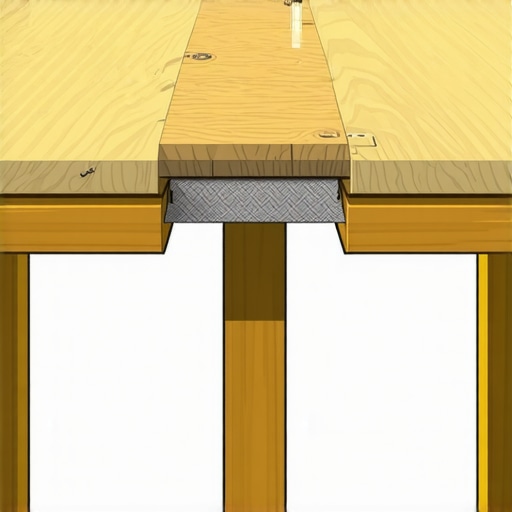
Visualizing the proper placement of double joists at a deck transition point helps ensure structural integrity and safety. This diagram shows the correct positioning and fastening methods to reinforce your deck effectively.
Many enthusiasts believe that selecting the most expensive composite decking or relying solely on standard stair designs guarantees a perfect outdoor space. However, as I have discovered through hands-on experience, there are nuanced pitfalls that can undermine even the most well-planned projects. For example, a widespread misconception is that all composite materials are equally durable, leading homeowners to choose options based solely on price. Yet, studies by industry experts highlight that mineral-based composites often outperform traditional PVC or wood fiber blends in resistance to fading, scratching, and mold, especially in high-traffic areas. To truly maximize your outdoor living space, it’s essential to understand these material nuances rather than falling for marketing hype.
Why Do Common Design Tricks Fail Under Real-World Conditions?
One frequent mistake is relying heavily on decorative elements like fancy railings or integrated lighting without addressing foundational issues like proper support and moisture barriers. These cosmetic choices might look appealing initially, but if the structural basics aren’t sound—such as correctly installed waterproof ledger flashing or double joists at critical transition points—your deck could face long-term problems. Remember, fancy features won’t save you from sagging or rot if the underlying framework isn’t solid. For advanced builders, paying attention to detail, like using hidden fasteners for a seamless appearance or reinforcing stair stringers with steel brackets, can make a significant difference. A 2025 study by the Building Safety Institute emphasizes that overlooked structural details are the leading cause of outdoor space failures. Always consider these advanced nuances when planning or inspecting your project. For innovative ideas on integrating these enhancements, check our latest post on [innovative outdoor living ideas with composite decking in 2025](https://deckdesignbuild.com/innovative-outdoor-living-ideas-with-composite-decking-in-2025). Meanwhile, avoid the common trap of underestimating the importance of proper drainage and framing techniques, which can lead to costly repairs down the line. Proper installation practices, including sealing and flashing, are your best defense against moisture damage, as detailed in our guide on [designing safe and stylish stairs for outdoor decks in 2025](https://deckdesignbuild.com/designing-safe-and-stylish-stairs-for-outdoor-decks-in-2025). Don’t be misled by the myth that high-end materials alone ensure longevity—sound construction methods are equally vital. Have you ever fallen into this trap? Let me know in the comments.Maintaining a durable and beautiful outdoor deck requires not just quality materials but also the right tools and a clear maintenance strategy. One of my top recommendations is investing in a high-quality cordless power drill with adjustable torque settings. I use mine for everything from tightening loose fasteners to installing new support brackets, ensuring every connection remains secure over time. A durable impact driver with a set of corrosion-resistant bits is indispensable for fast-paced projects or routine tightening, especially in weather-exposed environments. For cleaning, I rely on a deck-specific pressure washer with adjustable pressure settings; I prefer models that allow precise control to prevent damaging composite surfaces while effectively removing dirt and mold. When it comes to sealing and waterproofing, a quality spray gun combined with weatherproof sealants helps me achieve even coats without wastage, prolonging the lifespan of the decking boards and supporting structures.
The Hardest Lesson I Learned About deck builder,composite decking,stairs,outdoor living
My journey taught me that overlooking small details like double joists at transition points can lead to big problems down the line. That realization was a turning point, reminding me that patience and attention to detail in construction are what set apart a good deck from a great one. Embracing comprehensive support has saved me time, money, and potential safety issues, making me a more confident builder and homeowner.
Another valuable insight was recognizing the importance of material nuances. Not all composite decking performs equally—a fact that’s often hidden behind marketing hype. By digging deeper into material properties, I found that mineral-based composites resist fading and mold better, ensuring longevity and beauty over years of outdoor exposure. Knowledge like this transforms a project from mere aesthetics to a durable investment.
Lastly, I learned the value of ongoing education. Innovative tools, latest safety techniques, and modern support systems—these are vital for keeping decks structurally sound and visually stunning in any environment. Staying curious and informed has empowered me to create outdoor spaces that truly stand the test of time, turning routine builds into lasting legacies.
My Essential Toolkit for Outdoor Deck Mastery
I trust a high-quality cordless drill and impact driver because they handle diverse tasks from fastening joists to securing trim with ease. A pressure washer with adjustable settings is my go-to for cleaning, ensuring longevity of materials without damage. For sealing and waterproofing, I rely on professional-grade sprayers and sealants—these tools deliver even coats that shield decks from weather. Additionally, referencing trusted books like Decks: Design, Construction, and Inspection has deepened my understanding of best practices and emerging standards, guiding me to build with confidence and precision.
Your Next Step Comes From Within
The future of outdoor living hinges on your willingness to learn and adapt. Every project is an opportunity to improve, innovate, and create something extraordinary. I encourage you to embrace the challenge of building stronger, safer, and more beautiful decks—because your efforts today will bring joy and pride for years to come. If you’re looking for inspiration or guidance, don’t hesitate to reach out. Now, it’s your turn—what’s the most important lesson you’ve learned about outdoor deck construction? Share below and keep the conversation going.
Comments are closed.