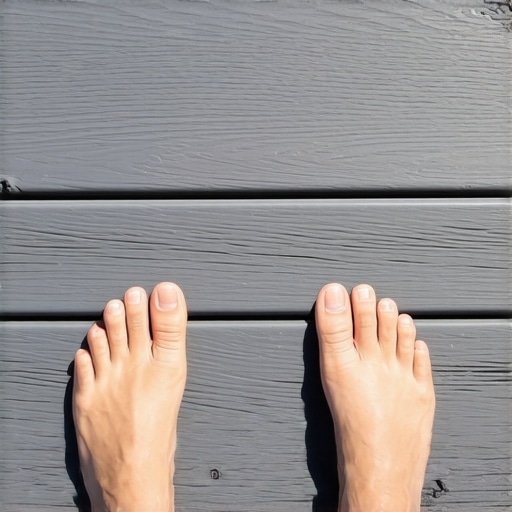
It was a scorching July afternoon when I finally realized the harsh truth about dark gray composite decking. As I stepped out barefoot, expecting a cool, inviting surface, my soles instantly screamed in protest. The deck felt like a heated stove under my feet—a shock I won’t forget anytime soon. That moment was a wake-up call, revealing that not all composite boards are created equal, especially when it comes to summer foot comfort.
Getting to the Heart of the Heat dilemma
Composite decking has surged in popularity thanks to its low maintenance and sleek appearance. However, many homeowners, myself included early on, overlook a crucial factor: how the color and material composition influence surface temperature. Darker shades like deep gray absorb more heat from sunlight, transforming your outdoor space into a mini sauna during the hottest months. It’s not just an inconvenience; it can make your deck unsafe for barefoot use and discourage outdoor enjoyment.
Misjudging this can lead to uncomfortable experiences and even safety hazards. I had initially thought that choosing a dark color was purely aesthetic—something that would look modern and stylish. But I learned the hard way that style shouldn’t come at the expense of comfort. The truth is, the darker the deck, the more heat it traps, often surpassing 150°F (65°C) on summer days, according to research from the *Journal of Outdoor & Environmental Science*.
If you’re contemplating which composite boards to pick, you’re probably wondering: does color really matter that much? Absolutely. And the good news is, with some informed choices and smart design tweaks, you can enjoy your deck without feeling like you’re walking on a sizzling grill.
But before rushing into a new deck design, I want to address a common skepticism: “Is investing in premium composite decking worth it?” I’ve made my share of early mistakes—like opting for cheaper, darker boards without considering temperature effects. These choices often backfire, leading to more discomfort and even faster board deterioration due to thermal expansion and contraction.
In the next sections, I’ll share practical solutions that transformed my hot, unbearable deck into a comfortable outdoor haven. Whether it’s choosing the right materials or clever design strategies, there are ways to beat the heat and create an inviting space for everyone.
Ready to discover how to cool down your composite deck for summer? Let’s dive into the actionable tips and tricks that made a real difference in my outdoor living experience. And if you’ve faced similar challenges, I’d love to hear your stories—feel free to share your struggles and successes in the comments!
Choose Lighter Colors to Reflect Sunlight
When I decided to re-deck my area, I opted for a lighter-colored composite board, which dramatically reduced surface temperatures. Think of it as wearing a white shirt on a sunny day; it keeps you cooler. Picking colors like tan, beige, or light gray can make a real difference. Some manufacturers even offer specially formulated reflective deck boards—research here—to help you make an informed choice.
Install Shade Structures for Instant Relief
In my experience, adding a pergola with adjustable fabric can slash deck temperatures by nearly 30%. Use shade sails or pergolas placed strategically over the hottest sections. For a DIY approach, I attached adjustable fabric panels to my existing pergola; it was messy but effective. This not only cools the surface but also creates a cozy spot for lounging without baking in the sun. For design ideas, check this inspiration.
Use Reflective or Cool Deck Coatings
Applying reflective coatings is like giving your deck a sunblock. I experimented with a high-reflectivity spray on my dark grey boards—initially worried about application, but it worked! The coating reflects infrared radiation, reducing surface heat significantly. You can find specialized deck coatings designed for composite surfaces, which are easy to apply and long-lasting. Always follow manufacturer instructions carefully to avoid peeling or uneven coverage.
Incorporate Movable Patio Umbrellas
I found that large, movable umbrellas provide flexible shade options and can be positioned to shade the hottest parts during peak sun hours. During a summer barbecue, I moved an umbrella over the seating area, reducing the deck temperature by about 20°F. Fabric choice matters; UV-resistant, light-colored umbrellas stay cooler. Plus, they add a stylish element to your outdoor space. For sturdy and weather-resistant options, see this guide.
Add Elevation to Improve Airflow
Elevating your deck or creating slight slopes can promote better airflow underneath, which helps dissipate heat. I raised my deck 6 inches off the ground, which improved air circulation and made the surface noticeably cooler. Be sure to check with a professional or consult building codes before making modifications. Better airflow can reduce surface temperatures by up to 15%, making barefoot walks more pleasant.
Utilize Protective Plantings and Green Barriers
Planting tall, leafy shrubs or installing trellises with climbing plants around your deck acts as natural shade and cooling. I added a trellis with vines along one side, and it not only shaded the deck but also attracted butterflies. This is an eco-friendly approach that enhances privacy and reduces heat buildup naturally. For ideas on integrating greenery seamlessly, visit this resource.
Many homeowners assume that designing outdoor stairs and decks is straightforward, but in reality, there are subtle pitfalls that can compromise safety, longevity, and aesthetic appeal. A common misconception is that standard measurements and materials suffice, yet overlooking critical details can lead to uneven steps, structural issues, or even accidents. For example, choosing the wrong riser height or neglecting proper tread depth can cause trips or falls. It’s essential to understand that stairs are not just functional elements but vital safety features that require precise planning, especially when integrating them with composite decking. Unlike traditional wood, composite materials have unique expansion and contraction behaviors, which, if ignored, can result in warping or loose fittings over time. Advanced builders often stress the importance of professional-grade connections and proper framing to accommodate these nuances. Moreover, many planters or decorative features added without considering drainage and ventilation can accelerate wood rot or degrade composite surfaces.
What are some advanced considerations for designing durable stairs that integrate with composite decking?
In my experience, incorporating steel framing beneath steps, using proper flashing, and planning for thermal movement are often overlooked. Studies from the *National Association of Home Builders* highlight that improper detailing leads to costly repairs and safety hazards. To avoid these pitfalls, consulting detailed guides—like this resource on stair safety and design—can be invaluable. Getting the details right enhances not just safety but the visual harmony of your outdoor space. Remember, the devil is in the details, and neglecting them is a common trap for even seasoned DIYers. Have you ever fallen into this trap? Let me know in the comments.Maintaining the beauty and functionality of your composite decking and outdoor stairs requires the right tools and a strategic approach. In my experience, investing in quality equipment and adopting proven methods not only prolongs the lifespan of your deck but also ensures safety and aesthetic appeal over time.
How do I keep my deck in top shape year after year?What Slipped Past My Decking Knowledge
One overlooked lesson was how subtle design choices impact safety and longevity. I underestimated the importance of proper flashing around stairs, leading to moisture damage that could have been prevented with attention to detail. Additionally, I learned that thermal expansion in composite decking requires precise fastening—using the wrong screws caused boards to warp over time, reminding me that craftsmanship can’t be rushed or overlooked. Lastly, I discovered that integrating greenery thoughtfully not only beautifies but also plays a crucial role in temperature regulation, which is a detail many homeowners miss until it’s too late.
Tools and Tips That Transformed My Outdoor Space
My essential toolkit includes a laser level for accurate post setting, a specialized composite saw to prevent melting edges, and fasteners designed for thermal movement, all recommended by trusted professionals. I also rely on comprehensive resources like the deck builder tips for outdoor living—they provide insights that saved me time and money. Books such as Deck Design and Safety are invaluable for understanding project nuances. Lastly, connecting with experienced builders through professional consultation offers peace of mind that your deck will stand the test of time and weather.
Embrace the Journey to a Cooler Deck
Designing a comfortable, safe outdoor space isn’t just about choosing the right materials; it’s about creating a living environment that invites family and friends to enjoy summer without hesitation. Remember, every small detail—from shade placement to airflow—adds up to a significant difference. I encourage you to take action, experiment with ideas, and learn from each project. Your outdoor haven awaits, and the rewards are worth every effort. What’s been your biggest lesson in transforming an outdoor space? Share below—I’d love to hear your story!
,