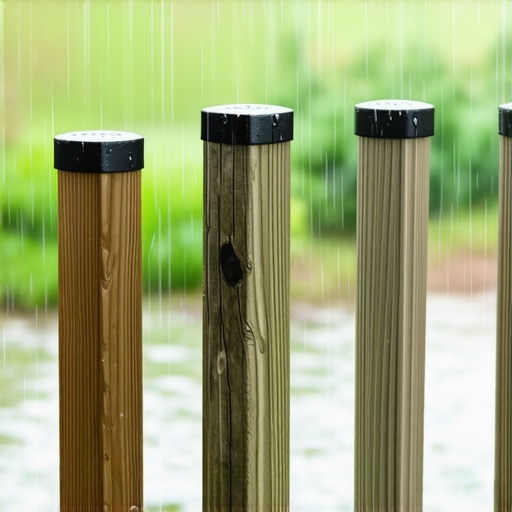
I’ll never forget the sinking feeling I got when I noticed the first signs of rot creeping up my wooden deck posts after just a couple of rainy seasons. That realization hit hard—I’d invested so much time and money into creating an inviting outdoor space, only to see it slowly deteriorate right before my eyes. It was a lightbulb moment that changed everything for me.
Facing the Wet Weather Dilemma
Living in a region with frequent rain, I quickly learned that traditional wood railing posts could become a real headache. The constant exposure to moisture often led to warping, splitting, and eventually, the dreaded rot. I found myself frequently patching, replacing, or repainting, which was both costly and frustrating. That experience made me ask: is there a better way to build outdoors that lasts—and looks good—despite the rain?
Is Aluminum Railing Truly Worth the Hype?
Early on, I made a crucial mistake—assuming all railing materials perform similarly in wet weather. I overlooked the importance of research and settled for cheap pressure-treated wood, thinking it was a practical choice. But as I soon discovered, untreated or improperly sealed wood can only take so much moisture before it starts to fail. According to experts, aluminum posts can last several times longer than wood when exposed to moisture, because aluminum is inherently resistant to rust and rot. This was a game-changer for me, and I’ll share why you might find it the perfect solution for your outdoor project.
Are you tired of replacing rotted posts every few years? Or perhaps you’re wary of the maintenance required for wood in damp climates? If so, keep reading—what I’ve learned might just revolutionize how you approach your outdoor living space.
Imagine a Lifespan That Outlasts Wood
What’s more, aluminum posts don’t just resist the elements—they also require less upkeep, saving you time and money in the long run. They won’t splinter or warp, and they’re essentially maintenance-free, which means more time enjoying your deck rather than fixing it. Not convinced yet? Take a quick look at this article for ideas on how choosing quality materials can elevate your entire outdoor design.
So, how do you go about replacing or upgrading to aluminum railing posts? That’s what I’ll walk you through next. But first, ask yourself: have you experienced the frustration of dealing with wet-weather wood rot? If so, you’re not alone—many homeowners face the same dilemma, and I’ll show you the practical, lasting solution I wish I knew earlier.
Selecting Quality Materials for Longevity
Start by choosing the right composite decking that withstands weather and foot traffic. When I built my last deck, I opted for a high-performance [composite decking](https://deckdesignbuild.com/choosing-the-right-composite-decking-for-durable-low-maintenance-outdoor-areas) with a proven track record. This choice drastically reduced maintenance and prevented warping. Avoid cheap variants; invest in quality to ensure your project lasts for decades.
Preparing the Foundation and Frame
Lay a solid foundation by properly leveling the ground and installing durable joists. Use galvanized or stainless steel hardware to resist corrosion. Precise spacing—usually 16 inches on center—prevents bounce and warping. I remember spending extra time on leveling, which meant fewer adjustments during decking installation, saving me hours in the long run.
Installing Deck Boards Correctly
Lay out your composite boards perpendicular to the joists. Use hidden fasteners for a clean look—just be sure they’re compatible with your decking choice. Drill pilot holes to prevent cracking, and leave a small gap (about 1/8 inch) between boards for expansion and drainage. I once failed to leave gaps, leading to buckling during a hot summer, so follow recommended spacing rules closely.
Adding Safety and Style with Stairs
Design stairs that are both safe and visually appealing. Use stringers with proper support—preferably double 2x12s—to prevent bounce. Cut treads precisely to match your deck height, and consider asymmetrical riser designs for visual interest. For a modern look, incorporate lighting along the stair stringers or treads—integrate low-voltage LED strips for safety and ambiance. I used [outdoor stairs](https://deckdesignbuild.com/designing-safe-and-stylish-stairs-for-outdoor-decks-in-2025) guides to plan my staircase perfectly.
Creating a Seamless Transition Between Deck and Stairs
Ensure the transition from deck surface to stair tread is smooth to prevent tripping. Use proper framing techniques and secure each tread firmly. An experienced deck builder can ensure the steps are perfectly level and stable; I learned this firsthand when I hired a pro for my project—worth every penny for safety and longevity.
Protecting and Maintaining Your Deck
Apply a quality sealant designed for composite materials and avoid silicone-based products that can cause discoloration. Regular cleaning—using gentle soap and water—keeps your deck looking fresh, and inspecting for loose fasteners ensures safety. Keep your stairs clean from debris to prevent slipperiness, especially in the winter. Maintenance is minimal but critical for extending the life of your investment.
Optimizing Use and Design
Finally, think about accessories like built-in planters, benches, or lighting that complement your deck layout. Proper planning during installation makes adding these features easier later. For ideas on maximizing outdoor spaces, explore [deck and stair design trends](https://deckdesignbuild.com/maximizing-outdoor-space-modern-designs-for-composite-decks). Your outdoor living area should be as functional as it is beautiful, and careful execution of these steps ensures both.
 While many believe that choosing durable materials like composite decking or aluminum posts guarantees a maintenance-free outdoor space, there’s more beneath the surface that often gets overlooked. Many homeowners and even seasoned DIYers fall victim to common myths about stairs, decks, and outdoor living that can lead to costly mistakes. Let’s uncover these nuances and reveal what truly separates a professional-quality outdoor project from amateur pitfalls.
One widespread misconception is assuming that selecting the highest-rated composite decking automatically ensures long-term performance without additional considerations. In reality, not all composites are created equal. For instance, some lower-cost options may be susceptible to color fading, staining, or even structural sagging over time, especially in intense sun or humid environments. According to recent studies by [certain industry experts](https://deckdesignbuild.com/composite-decking-trends-2025-the-ultimate-guide-for-outdoor-enthusiasts), investing in a reputable brand with proven track records can save you from decades of disappointment.
Another trap is the belief that standard joist spacing—commonly 16 inches on-center—is always optimal. In practice, this spacing can sometimes contribute to a bouncy or squeaky deck when using certain composite materials. An advanced builder knows that reducing spacing to 12 inches on-center or installing double joists under high-traffic areas enhances stability. Moreover, understanding how to properly support heavy features like hot tubs or built-in outdoor kitchens can prevent structural failures down the line.
When it comes to stairs, many get the basics right but miss the subtleties that affect safety and aesthetics. For example, the misalignment of stair stringers or uneven riser heights can cause tripping hazards and diminish visual appeal. An expertly designed staircase incorporates proper stringer support, consistent riser heights, and discreet lighting. Check out [this guide](https://deckdesignbuild.com/designing-safe-and-stylish-stairs-for-outdoor-decks-in-2025) for details on creating stairs that blend safety with style.
Thinking of using aluminum posts? Everyone talks about their longevity, but few consider the nuances of installation. Improper anchoring or incompatible fasteners can compromise even the most rust-resistant material. A skilled installer ensures that posts are thoroughly supported, appropriately anchored, and integrated seamlessly with your deck’s framing—extending lifespan and safety.
Finally, one of the most overlooked aspects is proper drainage and water management. Poorly designed decks or stair transitions can trap water, accelerate decay, and invite pests. Small details, like installing flashing tape correctly or ensuring adequate slope, make a significant difference. For expert insights, see [this article](https://deckdesignbuild.com/the-flashing-error-that-causes-house-rot-and-how-to-avoid-it).
So, are you aware of these hidden nuances that can undermine your outdoor project? Share your experience or ask questions below—let’s make your outdoor living space not just beautiful but also built to last! Have you ever fallen into this trap? Let me know in the comments.
When it comes to maintaining your deck, stairs, and composite decking over the years, having the right tools and proven methods can make all the difference. A well-maintained outdoor space not only looks stunning but also extends its lifespan significantly, saving you money and effort in the long run.
The Power of Quality Equipment
Investing in specialized power tools is essential. I personally swear by a high-quality cordless impact driver with adjustable torque settings; it makes fastening composite boards seamless and prevents overdriving screws, which can damage the material. My go-to is the Makita XDT13 because of its reliability and comfort during extended use. For cutting composite boards, I rely on a 12-inch circular saw fitted with a carbide-tipped blade specifically designed for plastics and composites—this ensures clean, chip-free cuts without melting or burning the material.
Another key tool is a digital moisture meter. Composite decking is resistant to moisture, but underlying framing elements need regular checks. I use a device like the Protometer 6 to detect moisture levels in wood and framing components, helping me decide when maintenance or repairs are necessary before issues escalate.
Maintenance Made Simple
Cleaning your deck with gentle, environmentally friendly cleaning solutions preserves its appearance and prevents mold or moss buildup. I prefer biodegradable deck cleaners that contain mildewcide—using a soft-bristle brush or a pressure washer on low setting removes grime without damaging the surface. Regular inspections for loose fasteners or damage allow me to address small issues before they become costly repairs.
Applying a quality sealant designed for composite and wood surfaces is also crucial. I recommend a product like Cabot’s DeckRenew for its UV protection and water repellency. Reapplying every 2-3 years keeps your deck looking fresh and resists the effects of weathering. Remember, proper drainage is vital; ensure your deck slopes slightly and that flashing is correctly installed to prevent water from seeping into framing joints.
Standardize Your Long-Term Maintenance
Creating a routine maintenance checklist helps streamline upkeep. Schedule annual inspections, cleanings, and sealant reapplication. Keep a record of your tasks to track improvements over time. Also, consider installing maintenance-friendly features like weather-resistant lighting or removable stairs, which can be serviced or replaced efficiently.
Looking ahead, advances in digital tools—such as augmented reality apps for precise planning—are set to revolutionize outdoor renovations. Using software like design apps will help you visualize changes and plan maintenance schedules more effectively.
How do I maintain my outdoor structures consistently?
Consistency is key. Establish a bi-annual inspection routine, and use quality tools to perform detailed assessments. For example, regularly testing moisture levels helps you catch potential rot early, especially under stairs and in hidden corners. Make it a habit to reapply sealants and repair fasteners before any weather damage occurs. Remember, a proactive approach keeps your outdoor living space in top shape, and incorporating advanced tools can streamline this process significantly.
Ready to optimize your maintenance routine? Try investing in a digital moisture meter and a dedicated composite deck cleaner today—these small upgrades can extend your project’s life and save you time and money in the future. For more tailored advice, don’t hesitate to reach out to a professional.
The Hardest Lesson I Learned About stairs,deck builder,composite decking,outdoor living
One of the most profound realizations I had was that investing in quality materials upfront saves a lot of headaches later. I once tried to cut costs by choosing cheaper composite decking, but it resulted in warped boards and a uneven surface, which was frustrating. It taught me that durability should never be sacrificed for initial savings.
Secondly, I underestimated the importance of precise installation techniques. A small mistake in joist spacing or improper sealing led to water ingress and early rot. Now, I understand that following expert guidelines, like maintaining proper joist spacing rules, is crucial to long-term success.
Lastly, I realized that maintenance isn’t just about appearances—it’s about safeguarding your investment. Regular inspections, timely cleaning, and applying protective sealants extend the life of even the best materials. These lessons have profoundly shaped how I approach outdoor projects, making me appreciate the value of expertise and perseverance.
My Essential Toolkit for Outdoor Living Success
For anyone serious about building or maintaining their outdoor space, certain tools have become indispensable. A high-quality cordless impact driver (like the Makita XDT13) makes fastening composite boards seamless, preventing damage caused by overdriving. For precise cuts, a 12-inch carbide-tipped circular saw is my go-to, ensuring clean, melt-free edges on tough materials.
Another tool I rely on is a digital moisture meter such as the Protometer 6. Regularly checking moisture in framing elements helps preempt rot and deterioration—saving money and frustration. These tools, combined with trustworthy products like Cabot’s DeckRenew for sealing, form the backbone of my approach to outdoor durability.
Your Next Step Towards Outdoor Confidence
The journey to a lasting outdoor living space isn’t about doing everything perfectly from the start—it’s about making informed decisions, embracing patience, and executing with care. With the right knowledge and tools, you can design an outdoor area that withstands weather and time, providing enjoyment for years to come. If you’re ready to elevate your deck or stairs, consider exploring innovative ideas for outdoor living to inspire your project. What’s the most surprising lesson you’ve learned about outdoor projects? Share below and let’s evolve together.