
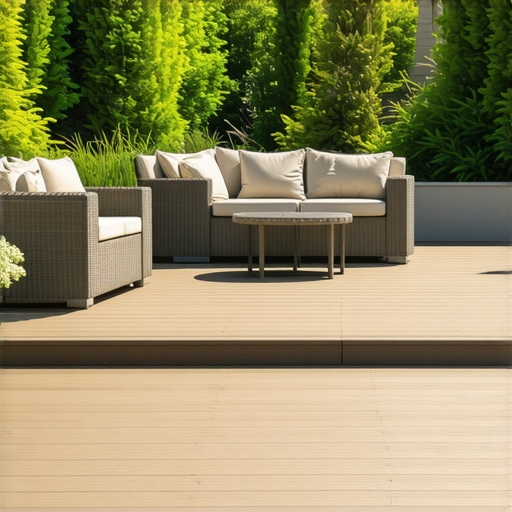
Ever tripped over a loose stair tread or watched a DIY project go sideways because of poor planning? I sure have. One time, I thought I could wing it and save some money, only to end up with uneven stairs and a deck that squeaked every time I stepped on it. That lightbulb moment made me realize how crucial expert tips are for building durable, beautiful outdoor spaces.
Why Getting Your Decks and Stairs Right Matters More Than Ever
Outdoor living is no longer just a backyard luxury; it’s become an extension of our homes. With 2024 bringing fresh trends in composite decking and stylish stairs, the way we design these spaces can make or break our enjoyment. But here’s the thing—without proper guidance, even the best ideas can turn into costly mistakes.
Did you know that poorly constructed stairs or low-quality decking can lead to safety hazards and increased maintenance costs? According to a recent industry report, improper installation accounts for nearly 30% of outdoor deck failures. That’s a statistic I don’t want you to be part of. Trust me when I say, learning from early mistakes and consulting seasoned professionals can save you a lot of headache down the line.
Is It Really Worth Investing in Expert Tips for Your Outdoor Space?
Absolutely. I learned this the hard way—trying to cut corners on design and materials only led to uneven steps and a deck that didn’t stand up to last season’s weather. When I finally called in a professional, the difference was night and day. They knew exactly how to maximize space and ensure everything was built to last, including stylish stairs that became the focal point of my backyard.
If you’ve ever wondered whether all the fuss about professional deck builders and top tips is justified, I get it. But the truth is, the right guidance can turn a simple backyard project into a stunning outdoor oasis that lasts for years. Want to see how you can do it? Stay tuned, because I’ll be sharing the most essential tips to help you build a safe, stylish, and durable outdoor space, starting with the basics of choosing the right materials and design ideas.
Lay a Solid Foundation for Your Outdoor Stairs
Start by selecting the right materials. I once tried to save money by using untreated wood for my stairs, but a heavy rain washed away my shortcuts, leaving my steps warped and unsafe. Now, I recommend using pressure-treated lumber or composite materials that resist weathering. Measure your space accurately, accounting for headroom and tread depth, which should be around 11 inches for comfortable steps. Use a chalk line to mark the stringers, ensuring symmetry and consistency throughout the build.
Build Sturdy Stringers for Safe Climbing
The stringers are the backbone of your stairs, much like the ribs in a skeleton. I once cut mine too short, and the entire structure wobbled. To avoid this, cut your stringers from a single piece of 2×12 lumber or use pre-cut ones for precision. Use a framing square to mark the rise and run, typically 7-8 inches for height and 11 inches for depth. Secure them firmly into the framing, anchoring into concrete or framing beams for stability. For a seamless transition, consider creating a slight overhang on the treads, which adds safety and aesthetic appeal.
Choose the Best Materials for Long-Lasting Durability
Composite decking is a game changer in 2024, combining low maintenance with durability. I experimented with several brands last year, and the trend toward recycled materials not only helps the environment but also boosts longevity. Look for products that include UV inhibitors and anti-slip surfaces. For my project, I chose a composite that mimics natural wood but requires no staining or sealing. When selecting your decking, consider the color and texture that complement your overall outdoor design. Check the manufacturer’s specs to ensure compatibility with your climate and usage.
Secure Your Stairs with Proper Support and Anchors
Proper support prevents wobbling and accidents. I learned this when a poorly anchored stair collapsed after a storm. Use galvanized steel brackets to attach your stringers to the deck framing. For ground support, use concrete footings or deck blocks, ensuring they are level and positioned beneath load-bearing points. Incorporate flashing or weatherproofing where the stairs meet the deck to prevent water infiltration. Regularly inspect and tighten all fasteners to maintain safety and stability over time.
Finish with Style and Safety in Mind
Adding handrails not only enhances safety but also elevates aesthetic appeal. I opted for stainless steel rails that resist rust and complement my modern outdoor look. Use non-slip tread tape or textured surface finishes on each step to prevent slips, especially in wet conditions. Proper lighting along the stairs increases safety for nighttime use. For a cohesive look, coordinate your railing and lighting with your overall outdoor decor, creating an inviting and secure space for family and friends.
For tailored advice or to start your project on the right foot, consider consulting a professional deck builder. They can help you navigate local codes and ensure your outdoor stairs and decks are both beautiful and safe. Reach out to experts at Deck Design Build to get personalized guidance and turn your vision into reality.
Many outdoor DIY enthusiasts and even seasoned homeowners fall prey to misconceptions that can sabotage their projects. One prevalent myth is that composite decking is completely maintenance-free. While it’s true that composite materials require less upkeep than traditional wood, they still need occasional cleaning and inspection for damage, especially in harsh climates. Overlooking this can lead to premature wear or safety issues. Experts recommend regular cleaning with gentle detergents and checking for loose fasteners—something often underestimated by DIYers eager to enjoy their new deck.
Another mistake I’ve seen repeatedly involves the assumption that all deck builders are equally skilled. Not true. The quality of your outdoor space hinges on choosing a professional with a proven track record and solid expertise in modern materials and techniques. For instance, a skilled deck builder will understand nuances like proper support support and weatherproofing, which are vital for longevity. Skipping this step can result in structural issues down the line, even if your initial build looks perfect.
Many people also underestimate the importance of precise measurements and planning. For example, a common trap is to ignore local code requirements or environmental factors like drainage. A well-designed staircase isn’t just about aesthetics; it’s about safety and durability. I’ve seen projects where uneven stringers led to wobbling stairs—an accident waiting to happen. Advanced builders often use laser levels and detailed layouts to avoid these pitfalls. If you’re interested in elevating your project, I recommend exploring how stairs serve as key elements in outdoor living and how to make seamless transitions that look great and last.
Why do so many outdoor projects fail despite good design ideas?
The secret often lies in overlooked details—like proper drainage, quality fasteners, and weatherproofing. A common misconception is that once the deck is built, it’s set for decades. In reality, ongoing maintenance and understanding material nuances are crucial. For example, some composite decking brands contain UV inhibitors that fade over time if not selected carefully. Experts recommend consulting reputable sources like this ultimate guide for 2025 trends to stay ahead.
Have you ever fallen into this trap? Let me know in the comments. Remember, a well-informed approach—combining expert advice with proper planning—is the best way to ensure your outdoor space not only looks stunning but also stands the test of time.
How do I keep my outdoor stairs and decking in top shape over time?
Maintaining a beautiful and durable outdoor space requires the right tools and regular attention. As a seasoned deck builder, I can tell you that investing in quality equipment makes all the difference in ensuring your stairs and composite decking last for decades. One of my go-to tools is a cordless impact driver, which simplifies fastening screws into composite materials without stripping or damaging them. I personally prefer models with adjustable torque settings, like the DeWalt DCF887, because it provides control when installing fasteners or tightening brackets—crucial for maintaining safety and appearance.
For measuring and layout, a laser distance meter such as the Bosch GLM 50 C has become indispensable. It allows me to quickly verify dimensions, ensure level support structures, and double-check spacing, all with high precision. This tool saves time and minimizes errors, especially when working on complex staircase layouts or multiple deck sections. Accurate measurements are fundamental for seamless transitions and long-term durability, aligning perfectly with expert strategies discussed in creating seamless transitions in outdoor living spaces.
To protect your investment, I recommend annual inspections with a sturdy flashlight and a detailed checklist. Use a power washer—like the Kärcher K5—to clean the surface gently, removing dirt and mildew without harming the composite. Regular cleaning prevents buildup that can degrade materials and safety features like anti-slip surfaces. Additionally, a quality caulking gun such as the Milwaukee 2646-20 M18 allows for re-sealing joints and cracks, preventing water infiltration that can cause warping or rot over time.
Looking ahead, I see the trend moving toward smart maintenance solutions. For example, moisture sensors embedded in decking can alert homeowners when moisture levels are high, signaling potential issues before they become serious. Integrating these sensors with your smartphone app provides ongoing monitoring, making maintenance proactive rather than reactive. This aligns with the future of outdoor living, where technology enhances durability and convenience.
If you’re ready to elevate your approach, try incorporating a laser measurement tool and a power washer into your routine. These tools will streamline maintenance, improve accuracy, and extend the lifespan of your outdoor structures. For personalized guidance, don’t hesitate to reach out to a professional deck builder who can help you develop a comprehensive maintenance plan tailored to your space.
The Hardest Lesson I Learned About Outdoor Living
One of my biggest lightbulb moments came when I overlooked the importance of support and weatherproofing in my first DIY deck. That lesson taught me that even the most beautiful design can fail without proper foundation and protection. Now, I always prioritize sturdy support and weather-resistant materials, understanding that these details determine the longevity of my outdoor spaces.
My Go-To Tools for Outdoor Building Success
Over the years, I’ve relied on specific tools that make a real difference. The impact driver with adjustable torque helps me secure fasteners without damaging composite materials, while the laser distance meter ensures perfect measurements for stairs and decking layout. These tools save time, reduce errors, and give me confidence that my outdoor project will stand the test of time.
Take Action Now: Your Outdoor Oasis Awaits
Building durable, stylish outdoor stairs and decks isn’t just about aesthetics — it’s about creating a safe, inviting space you can enjoy for years. With the right guidance, quality materials, and a bit of patience, you can transform your backyard into an outdoor oasis. Remember, expert advice is just a click away—consider reaching out to seasoned professionals to make your vision a reality. Are you ready to start your outdoor living journey today?
Reading through this post really hit home for me. I remember my first DIY deck attempt, where I underestimated the importance of proper support and weatherproofing. The result was a wobbly stairs that became unsafe after just a couple of storms. Since then, I’ve learned that investing in quality materials—like pressure-treated lumber or composite—is crucial for longevity. I also started using a laser distance meter, which dramatically improved my measurements and overall build quality. What’s your opinion on incorporating smart tech, like moisture sensors, into outdoor decks? I’ve considered it for my next project, and I wonder if others have found it worth the investment for maintenance ease.
This post really resonates with me, especially the part about supporting structures and weatherproofing — those are points I overlooked in my first deck project. I learned the hard way that even the most attractive design can fall apart without a solid foundation and weather-resistant materials. I also appreciate the mention of smart tech like moisture sensors; I’ve been curious about integrating such solutions to help monitor moisture levels because wet decks can develop issues over time, even with quality materials. Has anyone else here tried installing moisture sensors or other smart solutions? I’d love to hear about your experiences, especially if it helped prevent problems or made maintenance easier. I’ve found that regular inspections and using the right tools, like impact drivers and laser meters, make a huge difference — tools I wouldn’t want to build without now. It seems like combining traditional craftsmanship with technology might be the future of durable and low-maintenance outdoor spaces.
This post offers some really practical insights, especially about supporting structures and choosing weather-resistant materials. I’ve recently started adding composite decking to my projects because of its low maintenance reputation, but I found that even composite requires regular cleaning and inspections to maintain safety and appearance. We often overlook the importance of simple tools like laser measures for accurate layout, but I agree that they make a big difference in avoiding costly errors. What do others think about integrating smart tech like moisture sensors or even automated lighting into outdoor decks? I’ve seen some innovative setups that help detect issues early and keep the space safe and inviting, but I’m curious if these solutions are worth the initial investment for most homeowners. Overall, I believe that attention to detail and combining traditional craftsmanship with new technology is key to creating durable outdoor living spaces that last. Has anyone had experience with tech integrations, and how did it impact your maintenance routine?
This post strikes a chord with me, especially the part about using the right tools for layout and measurement. I’ve found that investing in a quality laser distance meter and impact driver not only saves time but really improves the precision of my projects. It’s easy to overlook these small details, but they make a huge difference in the longevity and safety of outdoor structures. I’ve also started exploring smart tech solutions, like moisture sensors, which can alert you when conditions threaten the integrity of your deck—especially useful in unpredictable climates. My question is, for those who have integrated such technology, did it significantly simplify ongoing maintenance? And do you think these innovations are worth the extra cost for a typical DIY homeowner? I believe blending traditional craftsmanship with modern tech is the way forward for durable, low-maintenance outdoor projects, but I’d love to hear other’s experiences about the practical benefits or challenges.