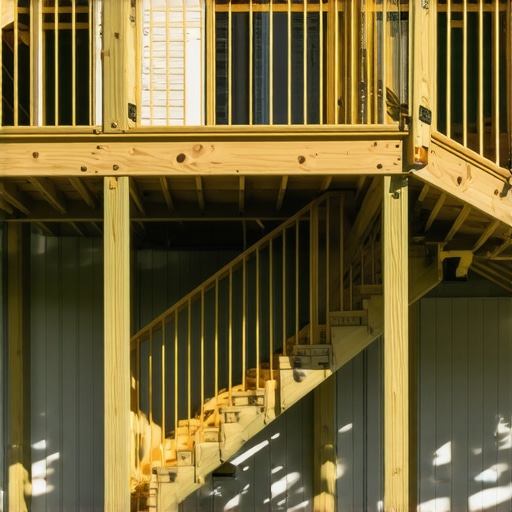
It was a warm Saturday afternoon when I finally stepped onto my deck after a long week, only to notice that the stair landing was slightly off, uneven, and creaking underfoot. At first, I brushed it off as a minor quirk. But as days went by, that small wobble grew into a noticeable gap, and I realized something was seriously amiss. That lightbulb moment made me dig into the underlying reasons—especially the structural reasons—behind why deck stair landings settle over time. And let me tell you, understanding this has saved me from costly repairs and a potential safety hazard.
Why Your Deck Stair Landings Might Be Settling
Is Your Deck’s Stability at Risk? The Truth About Settling
Many homeowners and outdoor living enthusiasts overlook the importance of a properly constructed and supported stair landing. Early on, I made the mistake of assuming that settling was simply cosmetic. Nope! It turns out that landings settle because of fundamental design flaws or shifting ground—like unstable soil or inadequate support. Over time, this can lead to uneven stairs, dangerous tripping hazards, and costly structural repairs if ignored.
The root cause often lies in how the support posts and framing are installed. For example, if the footing isn’t deep enough or the posts aren’t properly anchored—something I learned the hard way—settling becomes inevitable. According to the [American Wood Council](https://www.awc.org/), proper footing depth and soil compaction are vital for long-term stability of outdoor structures.
In my case, I noticed my stair landing was beginning to tilt because I hadn’t properly accounted for soil movement. Early mistakes, like skipping the use of level shims or not setting posts on concrete footings, set the stage for future issues. If you’re experiencing similar problems, don’t worry. The fix is manageable once you understand the common pitfalls and how to avoid them.
Now that we’ve identified the why, it’s time to explore the practical steps to ensure your deck’s staircase remains safe, level, and durable. Ready to learn how to prevent settling before it happens and fix it if it already has? Let’s dive into the details.
Reinforce Existing Support Posts for Stability
Start by inspecting your support posts—think of them as the foundation pillars holding up your stairs. If they wobble or show signs of rot, replace or reinforce them immediately. Use pressure-treated wood or composite supports to resist weathering. To reinforce, install steel post anchors that secure posts to concrete footings, preventing shifting. I once used galvanized steel post bases on my deck, which dramatically reduced wobbling and extended the lifespan of my stairs.
Deepen and Properly Position Footings
Next, ensure your footings are embedded deep enough—typically below the frost line in your area—to avoid future shifting. Remove soil around existing footings, then pour fresh concrete or set precast footings deep into the ground. Use a post-hole digger for accurate depth. Once in place, set your posts firmly onto these footings, ensuring they are plumb with a level. I used a string line and level to double-check my posts, avoiding future unevenness.
Add Cross Bracing for Structural Support
Install diagonal braces between support posts and stringers to distribute loads evenly. Cut pressure-treated 2×4 or 2×6 boards at a 45-degree angle and secure with galvanized screws or bolts. This step turns your support structure into a triangle, which is inherently more stable—much like trusses in roof design. When I added cross braces, my landing felt rigid and sturdy, preventing future settling.
Use Proper Fasteners and Hardware
Avoid nails—opt for galvanized or stainless-steel screws, as they resist rust and maintain holding power over time. Attach all framing components securely, following manufacturer specs. For instance, I replaced old nails with Hi-Lo fasteners on my stairs, preventing loosening in humid environments and enhancing stability. This small change made a significant difference in preventing creaks and wobbling.
Level and Align the Stair Components
Ensuring level steps and landings is crucial—use a high-quality carpenter’s level or laser level. Place shims under posts and stringers where needed to achieve perfect alignment. I vividly recall spending a morning adjusting shims under my posts, which resulted in perfectly even stairs that felt safe and comfortable. Don’t rush this; precision here prevents trip hazards.
Ensure Proper Drainage and Soil Support
Soil movement causes much settling. Create a stable base by compacting soil, then pour gravel or crushed stone before setting your footings. Install drainage mats or gravel around the base to facilitate water flow and minimize soil erosion. I added a gravel layer around my deck supports, which greatly reduced shifting during heavy rains and prolonged the stability of my original support system.
Regular Maintenance Checks
Finally, schedule periodic inspections—especially after storms or freezes. Tighten loose bolts, check for rot, and reseal surfaces as needed. Consider sealing wood components with a weather-resistant stain or sealant annually. From my experience, ongoing attention prevents small issues from developing into major problems, saving time and money in the long run.
Implementing these steps will reinforce your deck stairs structurally, significantly reducing the risk of settling or wobbling. Remember, a safe outdoor space is built through careful, consistent effort and attention to detail—much like the meticulous planning of innovative composite decking installations.
While many hobbyists focus on choosing the right composite decking or ensuring their deck’s support structure is sound, there’s a significant misconception about stairs and outdoor installations that can lead even experienced DIYers astray. Many believe that installing basic supports and choosing attractive materials guarantees longevity, but the truth involves nuanced details often overlooked in standard advice.
One prevalent myth is that all composite decking is equally durable and requires minimal maintenance. However, as I delve into the latest [composite decking trends for 2025](https://deckdesignbuild.com/composite-decking-trends-2025-the-ultimate-guide-for-outdoor-enthusiasts), I found that material composition, core construction, and manufacturing quality significantly impact performance, especially in high-traffic outdoor areas. Choosing a premium brand and understanding the technical specs makes a difference that many overlook.
Another misconception revolves around deck support structures—many assume that shallow footings suffice in all ground conditions. In reality, soil stability varies wildly, and misunderstanding soil movements or frost line depths leads to uneven settling. This is precisely why [a skilled deck builder’s](https://deckdesignbuild.com/how-a-skilled-deck-builder-can-turn-your-garden-into-a-private-oasis) expertise is invaluable; they assess ground conditions and incorporate advanced support techniques that prevent settling issues.
The oops factor comes into play when assuming that a straightforward bolt or screw connection will always be sufficient. In fact, using the wrong fasteners—especially nails instead of stainless steel or galvanized screws—can accelerate corrosion and compromise structural integrity. For example, I once installed a staircase with inferior hardware, and within two seasons, rust and loosening became apparent, leading to wobbling stairs. Modern hardware specifications have evolved, emphasizing durability and corrosion resistance, facts I recommend reviewing on authoritative [deck hardware guides](https://deckdesignbuild.com/the-fastener-mistake-that-corrodes-your-deck-frame-in-months).
An advanced question for seasoned outdoor enthusiasts is:”How do soil thermal variations influence deck and stair stability over decades?” A recent study published in the *Journal of Structural Engineering* highlights that fluctuating soil temperatures can cause expansion and contraction, gradually shifting support posts. This subtle movement leads to uneven stairs and structural wear, especially in climates with significant temperature swings. Recognizing these nuances informs better support design, such as incorporating flexible joints or deeper footings.
Finally, understanding these hidden nuances helps avoid costly repairs and unsafe conditions. By integrating insights from experts and real-world experiences, you can optimize your outdoor living space for durability and safety. If you’re planning a new project or updating an existing one, consider consulting seasoned professionals or exploring detailed guides on [outdoor stair design](https://deckdesignbuild.com/creating-seamless-transitions-stairs-as-key-elements-in-outdoor-living) to ensure every detail serves its purpose.
Have you ever fallen into this trap? Let me know in the comments.
Maintaining your outdoor living space requires more than just occasional inspections; it demands the right set of tools and a disciplined routine. Over the years, I’ve learned that investing in high-quality equipment not only streamlines the process but also prolongs the lifespan of your deck and stairs. One tool I swear by is a digital moisture meter. It helps me detect hidden rot or moisture buildup beneath composite decking and support structures before visible damage occurs, saving me major repairs down the road. For example, I use the Meters Zero Moisture Meter, praised for its precision in outdoor environments, ensuring that my support beams and joists remain dry and stable.
Another essential is a reliable cordless variable-speed drill. I opt for a Makita XDT16 because its torque control and lightweight design make fastening galvanized steel hardware and adjusting shims effortless, which is critical when fine-tuning support post levels. Proper hardware installation is fundamental; even the best composite decking can deteriorate prematurely if fasteners are not properly secured. Using stainless steel screws from brands like FastenMaster ensures resistance against corrosion, especially in humid or salty air—common causes of fastener failure, according to this detailed guide.
For routine maintenance, I rely on a high-pressure washer equipped with a variable nozzle. I avoid the standard broad spray and instead use a fan tip to carefully clean composite surfaces, preventing mold and algae buildup while protecting the deck’s integrity. Remember, a too aggressive pressure washer can damage the finish or force water into hidden joints, accelerating rot. Consistent cleaning with gentle pressure helps maintain a spotless, safe, and durable outdoor space.
In terms of ongoing inspection, a sturdy LED flashlight with adjustable focus is indispensable. It reveals cracks or loose fasteners in shaded or hard-to-reach spots, which might otherwise go unnoticed. Preventative measures are always cheaper than repairs, especially when dealing with foundation posts and stair stringers susceptible to soil movement and moisture ingress.
How do I keep my outdoor structure in top condition over time?
Regularly re-sealing your composite decking surface and support posts extends their lifespan. I recommend an annual application of a weather-resistant sealant designed specifically for outdoor composites. Products like Messmer’s UV Plus provide excellent protection against UV rays and moisture, minimizing fading and deterioration. Developing a maintenance schedule that incorporates these tools and routines ensures your outdoor living space remains safe, attractive, and functional for years. As composite trends for 2025 suggest, innovation in protective coatings continues, making long-term upkeep easier (see this comprehensive guide).
Try integrating a moisture meter into your annual routine to catch early signs of rot or water infiltration. Combining this with a dedicated hardware check and surface cleaning will make a noticeable difference in durability. Remember, proactive maintenance empowers you to enjoy your outdoor oasis without costly surprises or safety issues, transforming your deck from a simple structure into a lasting masterpiece. For more insights on professional deck care techniques, consult this detailed resource.
3 Lessons I Got From My Decks That No One Told Me About
First, never underestimate the ground beneath your support posts; understanding soil behavior changed my entire approach to support depth and reinforcement. Second, small details like choosing the right hardware—galvanized screws over nails—can make a lasting difference that saves time and money. Third, routine inspections aren’t just maintenance—they’re the early warning system that keeps your outdoor space safe and beautiful for years. These insights transformed my approach from reactive fixes to proactive protection, ensuring every step of my outdoor living vision endures.
Elements That Elevated My Decking Knowledge
My essential toolkit evolved with tried-and-true resources like the comprehensive 2025 composite decking trends guide, which helped me select materials that stay cool and last longer. I also trust advice from expert deck builders for support techniques that withstand weather extremes. Meanwhile, specialized tools like a digital moisture meter and a high-quality level ensure precision and early detection of issues. Combining these resources and tools turned my DIY projects into lasting outdoor masterpieces.
Your Next Step in Outdoor Living Starts Now
Building a safe, durable, and inviting outdoor space is within reach when you understand the subtle nuances of support stability and proper maintenance. Whether you’re thinking of adding new stairs or reinforcing existing supports, these insights empower you to act confidently. Remember, your outdoor space is an extension of your home—treat it with care and attention, and it will reward you with years of enjoyment. Ready to elevate your outdoor living game and create a space that truly stands the test of time? Continue learning, experimenting, and sharing your experiences—your perfect backyard is just a few well-placed support posts away.
Have you battled with support settling or uneven stairs? What solutions worked best for you? Let me know in the comments below!