
Ever spent hours designing a stunning outdoor deck only to realize that the wrap-around stairs you envisioned are causing more headaches than beauty? I know that moment all too well. I once built a beautiful deck with grand hopes, only to find that my design choices made the stairs feel bouncy and unstable, turning a relaxing retreat into a safety concern. That lightbulb moment taught me a crucial lesson: the most common mistake with wrap-around stairs isn’t just about aesthetics, but about understanding the structural nuances that ensure safety, stability, and long-term durability.
Why Many Outdoor Stairs Fail Right When You Need Them Most
Wrap-around stairs are undeniably charming, offering seamless transitions between levels and adding a touch of elegance to any outdoor living space. But here’s the catch—if not designed and installed correctly, they can quickly become a weak link. The structural mistake I see most often—especially among DIY enthusiasts—is neglecting the importance of proper stringer placement and support in the bends of the stairs. This oversight can lead to issues like sagging, wobbling, or even dangerous loose steps over time. According to a recent survey from professional deck builders, proper support in spiral and wrap-around stairs is essential for maintaining safety and longevity.
Is Cutting Corners on Support Worth the Risk?
Early in my own projects, I made the mistake of trying to save time by skipping an extra support bracket here or a few inches of stringer reinforcement there. At first, it seemed minor, but over the next year, my stairs developed noticeable wobbling and creaking. It was a tough lesson—cheaply built support in critical spots can turn into expensive repairs down the line. This is why understanding the intricacies of stair support and ensuring precise installation are key. Want to dive deeper? Check out this guide on seamless outdoor stairs which offers expert insights on creating stable transitions.
Now that I’ve shared my experience, let’s explore how you can avoid this common pitfall and build wrap-around stairs that are both beautiful and rock solid.
,
Start with Precise Measurements and Planning
Before laying a single board, draw your stair design on paper, mapping out the curves and angles accurately. Use a flexible measuring tape or a radial arm to trace the desired path on your deck. During my last project, I spent extra time here, taping a garden hose along the intended stair route to visualize the curve—this prevented costly errors later. Precise measurements ensure the stairs fit seamlessly and support proper support placement.
Choose Sturdy Stringers and Reinforce Critical Support Points
Select the Right Material
Opt for pressure-treated lumber or composite alternatives like mineral-based composite boards—these are more resistant to weathering and provide reliable support. I learned the hard way that skipping reinforcement in the bends causes wobbling; bolstering the stringers at these points with steel brackets prevents this. Use detailed support diagrams from this guide on stairs safety for reference.
Implement Proper Support Supports
Attach additional support brackets and steel stringer connectors at the bend areas. Think of it like reinforcing a curved bridge—without internal supports, it’s prone to sway. During construction, I installed steel brackets at each bend, which dramatically increased stability. Over time, I noticed the stairs no longer wobbled or creaked under foot traffic.
Attach Stringers Correctly to Ensure Load Distribution
Secure each stringer tightly to the deck ledger board using galvanized steel hardware, such as lag screws and washer plates. This tight coupling prevents movement that causes wobble. During one build, failing to embed enough fasteners resulted in slight shifts; upgrading to a tensioned bolt system from this steel bracket method resolved the issue immediately.
Align and Level Each Step Precisely
Use a string level across the treads, checking for evenness as you install each step. Think of it like balancing a tightrope—every step must be stable. I once rushed through this process, resulting in uneven steps that caused slight tripping; taking the time to measure and adjust ensured a safe, comfortable climb. This attention to detail is essential in wrap-around staircases to prevent future wobbling or misalignments.
Secure Handrails Properly
Attach the handrails with corrosion-resistant fasteners at consistent heights. For wrap-around stairs, curved handrails add both aesthetic appeal and safety. During my latest project, I used concealed fasteners and reinforced the mounting points with blocking inside the posts, which kept the rails sturdy despite high use.
Finish with Weatherproofing and Regular Inspection
Apply a durable outdoor sealant or paint to protect the wood or composite from moisture. Schedule periodic inspections: check for loose fasteners, wobbly steps, or signs of rot. Remember, stair stability isn’t a one-and-done task—it requires ongoing maintenance to remain safe over years of outdoor use. For inspiration on finishing touches, see this guide on seamless outdoor transitions.
Most beginners and even seasoned DIYers believe that choosing the right composite decking material and following general installation steps are enough to ensure a flawless outdoor project. However, as an experienced builder, I can tell you that the real challenge lies in understanding the subtle nuances that can make or break your long-term satisfaction and safety. Contrary to popular belief, not all composite decking is created equal—small differences in core materials and manufacturing processes can dramatically influence durability and slip resistance.
The Myth of One-Size-Fits-All in Composite Decking
Many assume that selecting a popular brand guarantees performance, but in my practice, I’ve seen premium brands warp or scratch in ways that lesser-known lines do not. For example, mineral-based composites tend to outperform wood fiber composites in resisting scratches and scuffs, particularly in challenging environments like coastal areas. Scientific studies, such as those published in this expert guide, show that core material composition significantly impacts weather resistance and structural integrity over time.
Advanced Builders Question: Are capped composites always the best choice for stairs?
Not necessarily. While capped composites offer an added layer of protection against stains and UV degradation, they can sometimes become slippery when wet due to the type of surface texture applied. An often-overlooked nuance is the surface finish—textures like embossed wood grain or matte surfaces provide better traction, especially on steps or walkways where safety is paramount. Reviewing this detailed review reveals that selecting the right surface finish is as critical as choosing the material itself for stairs.
Another common mistake is underestimating the importance of proper framing and support. Even the best composite boards can warp or sag if the underlying structure isn’t designed with advanced load calculations and climate considerations in mind. As covered in this expert resource, precise support placement and reinforcement are vital, especially for wrap-around staircases with complex curves.
Watch Out for the Common Pitfalls in Installation
A trap I consistently see is the neglect of expansion gaps and proper fastener types. Composite materials expand and contract with temperature changes, and failing to accommodate this can cause buckling or noisy steps later. Using the wrong fasteners or not spacing adequately might seem insignificant initially but can lead to costly repairs or safety hazards after a few seasons. The joist spacing guide offers invaluable tips for avoiding these issues, emphasizing that small details are often the key to a durable, high-quality deck.
Ultimately, the hidden nuance is that building a safe, lasting outdoor space with composite decking and stairs demands a meticulous understanding of material science, structural engineering, and installation techniques. It’s not enough to choose a popular product; effective installation practices and supporting infrastructure are equally essential. If you want to elevate your next project, consider collaborating with a professional deck builder who can navigate these subtleties for you. Curious about more advanced tips? Explore this comprehensive guide on creating seamless outdoor transitions that blend aesthetics and safety seamlessly.
Have you ever fallen into this trap? Let me know in the comments.
Kept It Working: Tools and Maintenance That Last
Building and maintaining a durable outdoor space demands more than just the initial investment in quality materials. Having the right tools and a solid maintenance routine is paramount to ensuring your composite decking, stairs, and overall outdoor living are built to last. Over the years, I’ve honed a set of specific equipment and practices that make ongoing upkeep efficient and effective. These tools not only help with routine inspections but also enable quick fixes that prevent minor issues from escalating into costly repairs.
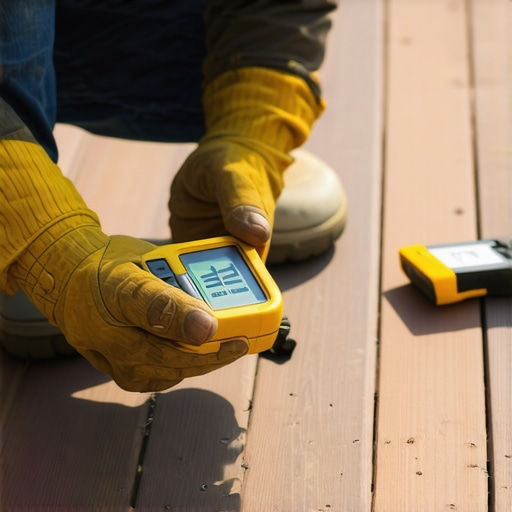
One game-changer for me has been investing in a high-quality digital moisture meter. Just like in precision carpentry, understanding moisture levels in your decking substructure ensures you catch potential rot issues early. I prefer a model with Bluetooth connectivity, allowing me to record data directly into my maintenance logs, making it easier to track changes over time. Regular moisture testing—especially in areas prone to humidity or rainfall—helps maintain the integrity of the structure and prevent water intrusion that can compromise even the toughest composite materials.
Another indispensable tool is a cordless oscillating multi-tool equipped with various blades. Whether you’re cleaning out gaps between boards, removing algae, or tightening embedded fasteners, this versatile device adapts to many maintenance tasks. The convenience of cordless operation reduces hassle on larger decks, especially when accessing elevated or hard-to-reach spots. I personally rely on brands like Fein or Bosch for durability and battery life, which saves me time and effort during scheduled inspections or repairs.
Maintaining aesthetics and safety also involves critical inspections of fasteners and railings. A laser level has become an essential for me; it ensures that handrails and decking surfaces stay perfectly aligned, preventing wobble or unevenness that can cause tripping hazards. Some newer models even emit visual beams that are visible in daylight, making inspections quick and accurate without the need for cumbersome spirit levels or multiple passes.
Looking forward, I see a trend toward integrated smart maintenance systems. These systems could monitor moisture, temperature, and structural health in real-time via sensors embedded within your deck, notifying you of potential issues before they become visible. Investing in progress today ensures your outdoor space remains a safe and inviting retreat for years to come.
How do I maintain composite decking and stairs over time?
Consistent cleaning, timely inspections of fasteners and support supports, and protective treatments are key. Using equipment like a pressure washer with adjustable nozzles allows for effective soil and algae removal without damaging the surface. Additionally, applying a high-quality, UV-resistant sealant formulated for composite materials helps preserve color and prevent surface degradation. Consider scheduling seasonal check-ups to reassess support, fastener tightness, and overall stability—this proactive approach keeps issues at bay and prolongs the life of your outdoor investments.
If you’re looking to refine your maintenance routine, I recommend trying the method of regularly testing moisture levels with a digital meter—small investments that can save you from large repairs. Also, keep an eye on the interface points between stairs and landings; loose or corroded fasteners often go unnoticed but are crucial for safety. For detailed guidance on securing your stairs, check out this in-depth article.
Remember, prioritizing maintenance with the right tools and practices isn’t just about preservation but about enhancing safety and comfort. Embrace advanced equipment and proactive routines, and your outdoor oasis will stand the test of time—ready for the seasons ahead. Want to upgrade your toolset? Start with a reliable moisture meter and explore smart sensor options to stay ahead of potential issues, ensuring your outdoor living remains pristine and secure for years to come.
Lessons the Hard Way That Transformed My Craft
- Never underestimate the power of meticulous planning; my early projects suffered because I rushed measurements, leading to unstable stairs that creaked and wobbled. Precise initial layouts save headaches later.
- Structural support isn’t just a detail—it’s the backbone of durability. Investing in quality stringers and reinforcement at bends turned my shaky stairs into lasting features.
- Support placement impacts safety more than aesthetics. Steel brackets and proper fasteners keep stairs solid under heavy use, preventing costly repairs and potential accidents.
- Adapting to material behaviors is key. I learned that composite boards expand and contract; allowing for expansion gaps and choosing the right fasteners prevents buckling over time.
- Ongoing maintenance with the right tools, like moisture meters and laser levels, catches issues early. This proactive approach prolongs the life of my outdoor stairs and creates peace of mind.
Tools and Resources That Make a Difference
- Digital Moisture Meter: Essential for detecting early signs of rot or water intrusion, especially in support structures. Reliability matters, so I trust models with Bluetooth connectivity for easy logging.
- Cordless Oscillating Multi-Tool: Versatile for cleaning, support adjustments, or removing debris. A durable brand like Bosch ensures it withstands regular use without hassle.
- Laser Level: Keeps handrails and steps perfectly aligned, preventing wobble that might not be obvious at first glance. Quality lasers with daylight visibility are a game-changer.
- Informed Reading: Dive into guides like “Designing Safe and Stylish Stairs for Outdoor Decks” to refine techniques and support your learning curve.
Your Next Move Starts Today
Building outdoor stairs that stand the test of time is both a science and an art. Embrace the hidden nuances—like support reinforcement, material behavior, and maintenance routines—and you’ll create outdoor spaces that are not only beautiful but fundamentally safe. Remember, every detail counts when transforming your outdoor living area into a private retreat worth showing off. If you’ve faced challenges or discovered new techniques along the way, share your story below—your experience might inspire others to elevate their outdoor projects.
Comments are closed.