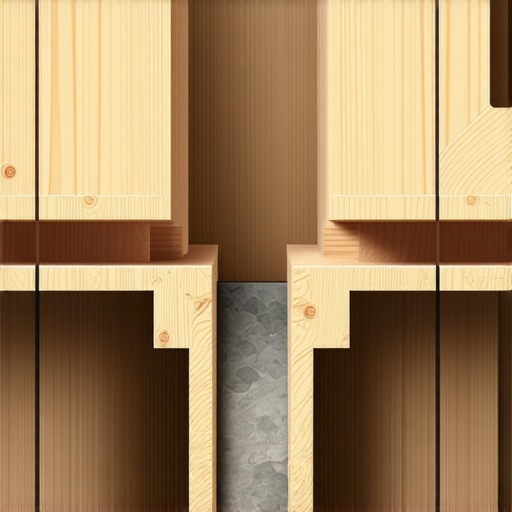
It was a scorching summer afternoon when I first noticed a creak in my deck that shouldn’t have been there. A little more worried than I let on, I climbed up to my outdoor space and realized that some of my deck boards felt slightly loose. That lightbulb moment hit me hard—my mindscreen flashed back to the forgotten foundation beneath my deck. If you’ve ever felt that sinking feeling of a wobble or a squeak, you know how much it can ruin your outdoor experience.
Securing Your Deck: More Than Just a Nice-to-Have
I’ve learned through personal trial and error that the secret to a durable, long-lasting deck isn’t just about selecting the right materials or fancy railing designs. The real magic happens below the surface—literally. The structural benefit of blocking between your joists is a game-changer, providing unparalleled support and preventing common issues like sagging and shifting. When I started implementing blocking, my deck’s stability improved remarkably, and I avoided costly repairs down the line. If you’re tired of dealing with unwanted movement or deck noise, today we’ll explore how proper blocking can be a transformative addition to your project.
Is All the Hype About Blocking Worth the Effort?
Honestly, I used to think that adding blocking was just extra work that didn’t make much difference—until I made the mistake of skipping it early on. That led to uneven surfaces and, more frustratingly, safety concerns. Studies show that proper framing, including blocking, can increase a deck’s load-bearing capacity and prevent potential failures (source: [deckdesignbuild.com](https://deckdesignbuild.com/why-we-build-double-joists-under-every-deck-board-seam)). If you’re worried about the complexity or added cost, believe me—it’s a small investment for peace of mind and long-term durability. Now, let’s dive into how exactly you can incorporate blocking into your deck design to maximize its structural benefits and keep your outdoor space safe and solid for years to come.
Installing Blocking Between Joists for a Stronger Deck
During my last deck renovation, I decided to add blocking between the joists to boost stability. Here’s how I approached it. First, measure the distance between each pair of joists with a tape measure, ensuring consistency. Use a square to mark the exact spots for blocking on the top edges of the joists to ensure they’re level. Cut your blocking pieces to the measured length, making precise cuts with a saw—miter saws work well for clean edges. I made sure to double-check each cut before installation. Next, apply construction adhesive to the ends of the blocking pieces for added bonding strength. Position the blocking between the joists, aligning edges carefully. Secure the blocks with galvanized nails or screws, driving them through the sides into the joists; I used a power nailer for efficiency. Remember, each block should fit snugly without forcing, so minor adjustments with a chisel can help. I repeated this process along the entire length of the deck, making sure to stagger the blocking for maximum strength. Afterwards, I used a level to check that everything was even, preventing any uneven surfaces. This method not only increased the support for my deck but also reduced squeaks and wobbles, making it safer to enjoy outdoors. For more in-depth techniques on deck stability, visit this guide. Properly installed blocking acts as a backbone for your deck, distributing weight evenly and preventing future issues, especially when you plan to add features like built-in seating or planters. Always use corrosion-resistant fasteners and check local building codes to ensure compliance. Once completed, I painted or sealed the blocking if necessary, protecting it from moisture and prolonging its lifespan. Properly secured blocking makes your deck more resilient against weather and heavy loads, turning a simple outdoor space into a reliable retreat.When it comes to designing and building outdoor spaces, many enthusiasts and even some professionals fall prey to misconceptions that can compromise safety and durability. One prevalent myth is that composite decking requires minimal maintenance, leading homeowners to neglect essential upkeep. In reality, while composite materials are low-maintenance compared to traditional wood, they still benefit from regular cleaning and inspections to prevent issues like mold or warping, especially in shaded or humid areas (source: https://deckdesignbuild.com/why-solid-stains-often-fail-on-newer-decking-boards).
A less obvious but critical nuance involves the integration of stairs into your deck design. Many overlook the importance of proper stringer support and drainage solutions, which are vital for longevity and safety. Improperly supported stairs can crack or pull away over time, creating hazardous conditions. Advanced builders recommend incorporating concealed drainage systems and using durable, corrosion-resistant fasteners to address these concerns proactively. Curious about designing safe and stylish stairs? Check out https://deckdesignbuild.com/designing-safe-and-stylish-stairs-for-outdoor-decks-in-2025.
Contrary to common belief, aesthetically pleasing railings can sometimes undermine safety if installed without considering graspability and code compliance. Smooth, narrow handrails look sleek but can be hazardous, especially for children or elderly users. Ensuring your railing design combines both style and function—like incorporating textured surfaces or larger diameter handrails—enhances safety without sacrificing visual appeal. More insights on this can be found at https://deckdesignbuild.com/elevate-your-home-top-stairs-designs-for-modern-outdoor-spaces.
A sophisticated misconception involves the assumption that all decks are equally suitable for heavy features like hot tubs or built-in seating. The truth is, the subtle structural nuances—like beam sizing, proper blocking, and load distribution—determine whether your deck can handle such loads safely. Ignoring these factors might lead to sagging or even structural failure. Consulting with a professional deck builder ensures your setup adheres to advanced standards, maximizing safety and enjoyment. Explore how a seasoned expert can elevate your project at https://deckdesignbuild.com/the-benefits-of-working-with-a-professional-deck-builder-in-your-outdoor-projects.
Let’s not forget the common mistake of neglecting moisture management beneath the deck frame. Without adequate flashing, ventilation, and drainage, moisture can lead to rot and costly repairs. Implementing a comprehensive moisture barrier and ensuring proper venting—especially in climates with high rainfall—are crucial steps that often get overlooked. For practical tips, see https://deckdesignbuild.com/how-to-vent-the-area-under-a-low-profile-deck.
By understanding these nuanced pitfalls and advanced considerations, you can design an outdoor living space that’s not only beautiful but also safe and durable for years to come. Have you ever fallen into this trap? Let me know in the comments, and stay tuned for more expert insights to perfect your outdoor projects.
Keep Your Deck in Top Shape with Precision Tools
Maintaining a durable and beautiful outdoor space requires the right set of tools. I personally swear by a high-quality cordless impact driver, like the Milwaukee M18 Fuel, because it provides the torque needed for tasks such as installing or replacing fasteners on composite decking without stripped screws. Pair it with a carbide-tipped oscillating multi-tool for detailed cuts and refinishes on stair risers or fascia boards, which helps keep your deck looking fresh and safe over time. A laser level is invaluable—trust me, I use a Bosch GSL2 Professional every season to ensure my deck and stair alignments remain perfect, especially when working on slope adjustments or installing new features. For cleaning, I highly recommend a pressure washer with adjustable nozzles; a model like the Sun Joe SPX3000 makes removing dirt and mold easy, extending the lifespan of your decking material. These tools form the core of my maintenance routine, helping me catch issues early before they escalate into costly repairs.
How do I maintain my outdoor living space over time?
Regular inspections are crucial. Check for loose boards, emerging rot, or hardware corrosion. Applying a quality sealant or composite deck protector annually will fend off moisture damage; I recommend a penetrating oil like Penetrol for real wood accents and a dedicated composite cleaner for synthetic surfaces, as outlined in the recommended maintenance practices. Always keep a repair kit handy with extra fasteners, brackets, and sealants—this way, minor issues don’t turn into emergencies. Incorporating routine cleaning and early repairs ensures your deck remains both functional and inviting for years to come. Looking ahead, I predict that automation and smart sensors will increasingly assist in maintenance, alerting us to issues like moisture buildup or structural stress before they become visible. To maximize your outdoor space, experiment with innovative tools and methods now, such as using an ultrasonic moisture meter to detect hidden rot beneath the surface—an advanced tip I highly suggest trying today.
The Hidden Lessons That Transformed My Outdoor Projects
One of the toughest truths I learned was that skipping proper blocking isn’t just a shortcut—it’s a recipe for future headaches. I once thought I could get away without it, only to face squeaky, unstable boards months later. That lightbulb moment made me realize that taking the time to install blocking between joists is an investment in safety and longevity. Additionally, I underestimated how moisture management impacts deck lifespan. Incorporating drip edges and ventilation early on saves a fortune on repairs down the line. Lastly, I discovered that a small detail like using corrosion-resistant fasteners can mean the difference between a deck that lasts a decade and one that fails prematurely. These insights stem from real-world experience, and I wish I had known them from the start.