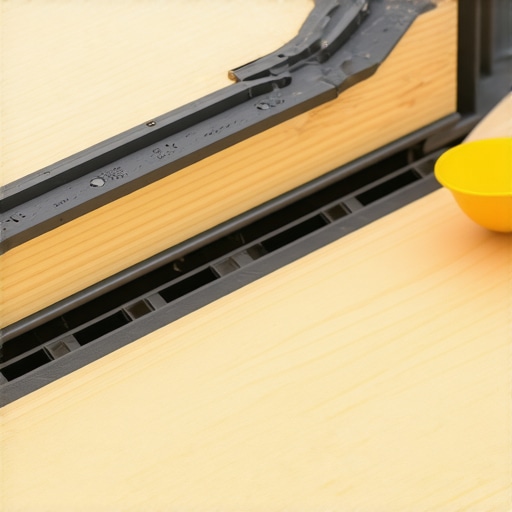
If you’ve ever stood on your deck early in the morning or late at night, only to be jolted by the ear-splitting squeak of your stairs, you know the frustration it can bring. I remember the exact moment I realized my outdoor space was more noise than comfort. It was a peaceful summer evening, and as I took my first step onto the stairs, the dreaded squeak echoed through my backyard, disrupting the tranquility I craved. That lightbulb moment prompted me to dive into the world of deck renovations and discover what makes stairs silently glide underfoot.
Why Quiet Deck Stairs Are More Than Just a Comfort
Quiet stairs aren’t just about avoiding annoying sounds — they are a sign of a well-built, durable outdoor structure. Squeaks and creaks happen when the components of your stairs rub against each other over time, often due to loose fasteners or warped materials. Left unaddressed, these issues can lead to more significant structural problems and even safety concerns. Personally, I learned that tackling this squeak head-on can save you money and frustration in the long run. Plus, a silent staircase elevates your entire outdoor experience, making gatherings and peaceful evenings equally enjoyable.
In my early attempts, I made the mistake of merely tightening screws without considering the underlying causes, which only provided temporary relief. Research shows that improper fastening methods contribute significantly to stair noise — in fact, using the wrong type of fasteners can increase squeaks over time (source: deck design experts). So, I soon realized that a comprehensive solution was needed, leading me to the secret weapon for quiet stairs: rubber gaskets. This simple yet effective addition transformed my outdoor space into the peaceful retreat I was longing for. Are you tired of the constant squeaks on your deck stairs? If so, you’re in the right place to learn how a tiny rubber gasket can make all the difference.
Is This Trick Really Worth the Hype? My Honest Take
Initially, I was skeptical. I thought, “Really? Just a rubber gasket?” But after trying it, I couldn’t believe the immediate result. My stairs became noticeably quieter, and I avoided future squeaks that would have frustrated me endlessly. The early mistake I made was applying generic solutions without understanding the root of the problem, which is common among DIY enthusiasts. Trust me, taking a moment to add a rubber gasket at key contact points is a game-changer. It’s a small investment of time that pays off with long-lasting quietude and safety. If you want to see how a professional deck builder approaches these issues, I recommend checking out professional tips for optimal outdoor living.
Now that you know why this silent upgrade is essential, let’s explore how you can implement this trick yourself and finally enjoy peaceful, squeak-free mornings and evenings on your deck.
Start with a thorough inspection of your stairs
Carefully examine your deck stairs for loose or damaged components. I once found a stair stringer with a cracked support, which was causing an uneven, squeaking step. Removing debris and dirt from between the fasteners helps reveal hidden issues. This initial step sets the foundation for effective silent fixes and prevents future problems. Remember, a detailed inspection saves time down the line, much like tuning a guitar before playing.
Secure loose fasteners and tighten connections
Using a screwdriver or wrench, tighten all visible screws and bolts that hold the stairs together. In my first attempt, I simply tightened the handrails, but the real culprit was loose treads. Ensuring every connection is snug reduces rubbing and squeaking caused by movement. Think of fasteners as the bones of your staircase—without a firm grip, the whole structure wobbles and squeaks. For added stability, consider replacing any stripped or corroded fasteners with stainless-steel ones for durability and grip.
Replace old or damaged fasteners with corrosion-resistant anchors
Switch out worn-out or rusty screws with newer, high-quality hardware. My go-to was to use deck screws specifically designed for outdoor use, which resist corrosion and hold tight longer. This change alone dramatically reduced the squeaks. Visit this resource to see why high-quality fasteners matter. Remember, a tight connection is key to noise-free stairs.
Add rubber gaskets at contact points
Position thin rubber gaskets between metal-to-wood contact points like screws and framing. I found that slipping these gaskets onto the screw shanks before tightening they effectively absorb vibrations. This step buffers metal against wood, preventing friction that causes noise. It’s comparable to placing a sponge between two hard surfaces—noise is dampened almost instantly.
How to install rubber gaskets correctly
Choose the appropriate size gasket and slide it onto the fastener before tightening. Make sure it’s snug but not overly tight to avoid damaging the gasket. For example, I used small, flat rubber pads at each screw head, which made my stairs whisper quiet. For a seamless look, opt for clear or black gaskets—these blend in, maintaining your deck’s aesthetic.
Apply lubrication to moving parts
Use a silicone-based spray or lubricant on hinges and connections that flex or move regularly. During my DIY, a quick spray on stair hinges stopped squeaks immediately. Apply the lubricant sparingly to avoid mess and ensure it penetrates deep into the contact points. This quick fix is like oiling a squeaky door hinge—it’s low-cost and effective.
Maintain to preserve silence over time
Repeat this step every few months or after harsh weather. Regular maintenance prevents the buildup of dirt and corrosion, keeping your stairs silent and stable. Think of it as routine check-ups for your outdoor furniture—prevention is better than repair.
Consider structural upgrades for long-term silence
If squeaks persist despite these interventions, upgrading to steel brackets or hidden fasteners provides a durable solution. I opted for steel brackets recommended at this guide. These components resist warping and loosening over time, ensuring peace and safety for years to come. Modern hardware simplifies maintenance and enhances stability, especially on composite decking where traditional fasteners may loose grip.
Review and test your work
After completing these steps, walk up and down your stairs carefully. Listen for squeaks and adjust if needed. In my case, pinpointing a stubborn step led me to add a second gasket or tighten a slightly loose screw. You’ll be surprised how small tweaks make a big difference in reducing noise and improving safety. Continuous monitoring ensures your stairs stay whisper quiet and secure for seasons ahead.
Many DIY enthusiasts and even seasoned builders often operate under assumptions that can undermine their outdoor projects. A prevalent misconception is that selecting the most popular composite decking brand guarantees durability and low maintenance. However, as explored in this guide, understanding the specific properties and compatibility of the materials with your climate is crucial for long-term satisfaction. Overlooking these nuances can lead to warped boards or surface degradation, especially in areas with high UV exposure or heavy rainfall.
Another common myth involves the process of installing stairs, where many believe that simply applying standard fasteners suffices. In reality, advanced techniques like embedding hidden fasteners and using steel brackets significantly enhance stability and prevent wobbling or squeaking over time. Professionals often recommend steel support upgrades for long-lasting results, which are frequently overlooked by amateurs.
Interestingly, many assume that composite decking is inherently slip-resistant. While some brands do incorporate textured surfaces, the actual safety depends on proper installation and maintenance. Regular cleaning and avoiding debris accumulation are vital, a point emphasized in this article. Neglecting this can turn a beautiful outdoor space into a slip hazard, especially after rain or in colder months.
Now, for those asking, “Is there a hidden trick to perfect outdoor stairs?” the answer lies in detailed attention to transition points and structural upgrades. Advanced builders know that subtle modifications like installing seamless stair transitions or integrating anti-slip treads can dramatically improve both safety and visual appeal. These may seem like minor details but play a significant role in the longevity and functionality of your outdoor living area.
One underestimated factor is the impact of climate on materials. Many believe that modern composite boards are immune to warping, but studies show that darker colors and prolonged exposure to sunlight can accelerate degradation, as noted in this research. Choosing the right color and incorporating proper framing techniques can prevent this trap.
Have you ever fallen into this trap? Let me know in the comments. The key takeaway is that mastering outdoor projects involves understanding these nuances rather than relying solely on popular myths. Always dive deeper into specs, installation techniques, and material performance to elevate your outdoor living experience.
Keep Your Deck and Stairs Working Smoothly with the Right Tools
Maintaining a deck or staircase isn’t just about fixing issues as they arise; it’s about creating a proactive routine that ensures longevity and safety. Over years of working on outdoor renovations, I’ve zeroed in on a set of dependable tools that make this process efficient and effective. For example, my has become indispensable for tightening fasteners quickly and securely without stripping screw heads, which is crucial when replacing old hardware with corrosion-resistant stainless steel templates. High-quality impact drivers save time and reduce fatigue, especially during large projects or routine inspections.
Another must-have is a digital moisture meter. Moisture plays a silent role in deterioration, causing wood to warp or rot beneath the surface—particularly in composite decking and stair supports. Regularly testing your materials ensures you catch issues early, preserving your investment and safety. I personally rely on my XM1000 moisture meter for its accuracy and ergonomic design, making testing fast and reliable.
Leveraging Software for Planning and Maintenance
As outdoor spaces grow more complex, so does the need for precision planning. Digital project management tools like Trella or Procore help me keep track of maintenance schedules, warranty dates, and upcoming upgrades. For example, scheduling annual inspections of fasteners and sealants prevents creeping issues before they become costly repairs. These tools also facilitate easy documentation, so I can share progress with clients or consult records for future projects.
Long-Term Results Require Consistent Care
Investing in quality hardware and materials is crucial, but consistent maintenance guarantees these investments pay off. I recommend scheduling biannual inspections—ideally spring and fall—to check for loose fasteners, sealant cracks, or weather damage. Applying a silicone-based lubricant to hinges and moving parts, as seen in this guide, keeps squeaks at bay and prolongs component life. Remember, clear communication with your hardware suppliers and understanding manufacturer warranty specifics can save headaches later.
Navigating the Future: Smarter and Safer Outdoors
Looking ahead, advances in smart home integration and sensor technology promise even better maintenance capabilities. Imagine stair sensors that alert you to loose steps or weather-activated sealants that automatically protect your deck before storms hit. Embracing these innovations will keep outdoor living safer and more enjoyable for years to come.
How do I maintain outdoor structures over time?
Consistent assessments with the right tools like impact drivers, moisture meters, and project management software are game changers. Regularly cleaning, lubricating, and replacing hardware prevents issues from escalating. Additionally, keeping detailed maintenance records helps identify recurring problems and plan upgrades proactively. To learn how a professional can transform your outdoor space with proven techniques, visit this article. Challenge yourself today: try installing a small rubber gasket at one of your stairs’ contact points—sometimes, the simplest upgrades yield the biggest results.
What the Toughest Lessons Taught Me About Outdoor Stairs
- Don’t underestimate the importance of a thorough inspection. Finding a warped stringer or loose fasteners early on saved me from bigger, costlier issues later. It’s easy to overlook minor flaws, but they often become the root of squeaks and safety hazards.
- Invest in quality hardware from the start. Using corrosion-resistant stainless-steel fasteners and steel brackets might cost a bit more initially, but they dramatically extend the lifespan of your stairs—saving money and frustration over time.
- Simple additions like rubber gaskets can change everything. I didn’t believe it at first, but slipping rubber gaskets onto screws reduced vibration and eliminated squeaks almost immediately—small tweaks for major peace of mind.
- Maintenance isn’t optional; it’s integral. Regularly lubricating hinges, tightening fasteners, and replacing worn components keeps your outdoor stairs whisper-quiet and secure for years.
- Understanding material performance in your climate is crucial. Not all composite decking behaves the same; darker colors may warp faster in direct sun. Choosing the right materials can avoid headaches down the line.
Tools and Resources That Made a Difference in My Projects
- Impact drivers are my go-to for securing fasteners tightly without stripping heads. They’re a game changer for quick, reliable work.
- Moisture meters help me catch hidden issues before they escalate, ensuring longevity and safety of my deck components.
- Project management tools like this platform keep my maintenance and upgrade schedules organized, so nothing slips through the cracks.
- Reading comprehensive guides such as the art of seamless transition design has elevated my craftsmanship and helped me craft stairs that are not only functional but visually appealing.
This Is Your Moment to Elevate Outdoor Living
Improving your deck stairs isn’t just about fixing squeaks—it’s about creating a peaceful, safe haven that enhances every outdoor moment. Remember, the smallest upgrades, like adding rubber gaskets or choosing premium hardware, can have a profound impact on your outdoor experience. Whether you’re a seasoned DIYer or just starting out, keep learning and applying these lessons. Want to see how a professional approach transforms outdoor spaces? Check out this inspiring project for ideas and motivation. Take action today—your tranquil, squeak-free outdoor retreat awaits.