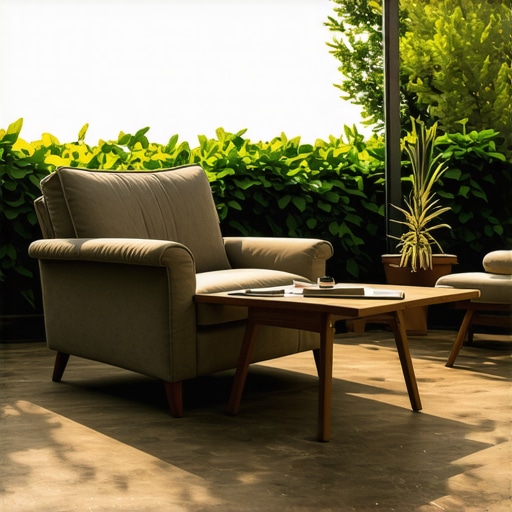
Imagine the frustration of finally finishing your outdoor oasis—only to see your stylish indoor furniture warped, faded, or beyond repair after just one season outside. I learned this lesson the hard way. A few years ago, I confidently squeezed my cozy living-room sofa and dining set onto my deck, thinking that indoor furniture would be fine outdoors. It wasn’t. Within a year, I was replacing cushions, patching fabric, and battling sun damage—problems I hadn’t anticipated.
**So, what’s the real issue?** Well, many homeowners, myself included early on, underestimate how harsh outdoor conditions can be on indoor furniture. This mistake not only leads to unnecessary expenses but also diminishes the joy of enjoying your deck as an extension of your living space.
Today, I want to share how you can prevent this or fix it if you’ve already made this common mistake. We’ll explore the differences between indoor and outdoor furniture, why outdoor-specific options are essential, and practical tips to keep your deck comfortable, stylish, and durable.
Why Indoor Furniture Doesn’t Cut It Outdoors
Indoor furniture is designed with aesthetics and comfort in mind, not weather resistance. Materials like plush fabrics, wood finishes, and foam padding tend to absorb moisture, fade quickly under sun exposure, and degrade when subjected to rain and humidity. The problem escalates if you’re living in a climate with significant seasonal shifts or heavy rainfall.
Using the right outdoor furniture isn’t just about aesthetics; it’s about longevity and safety. For example, composite decking trends for 2025 emphasize the importance of durability and low maintenance—principles that should guide your choices for outdoor furniture as well. If you’re curious, I recommend reading the ultimate guide for [composite decking trends in 2025](https://deckdesignbuild.com/composite-decking-trends-2025-the-ultimate-guide-for-outdoor-enthusiasts) to better understand what materials are trending and why they matter.
Have you faced this problem before? Share your experience—I bet you’re not alone! Moving forward, we’ll look at the best options to help you create a resilient outdoor setup that’s both attractive and practical.
Choose Weather-Resistant Materials
Start by selecting furniture crafted from materials designed to withstand outdoor elements. Opt for synthetic wicker, aluminum, or treated wood. During my recent deck overhaul, I replaced an old wooden table with a powder-coated aluminum one, which has survived three seasons without rust or paint chipping. This choice drastically reduced maintenance and kept the space looking fresh.
Evaluate Construction Quality and Design
Inspect joints, fasteners, and overall build. A well-constructed piece ensures stability and longevity. For instance, I encountered a set of chairs with loose screws; tightening them with stainless-steel fasteners prevented wobbling and prolonged their lifespan. Remember, a sturdy design minimizes repair costs and safety hazards.
Apply Protective Finishes and Sealants
Enhance durability by applying sealants specific to your furniture’s material—seal wood with a UV-protective finish, and coat metal surfaces with rust-resistant paint. Last summer, I sealed my wooden benches, which prevented cracking and fading under the sun. Regular reapplication every couple of years keeps furniture looking new and maintains its resistance to weathering.
Implement Proper Placement and Spacing
Arrange furniture to allow air circulation and prevent water pooling. Elevate heavy pieces slightly with rubber pads to avoid direct contact with wet surfaces, reducing moisture absorption. I learned this when my table developed scratches from contact with damp concrete. Strategic placement not only prevents damage but also facilitates easier cleaning and maintenance.
Secure and Stabilize Outdoor Furniture
Anchor items when necessary, especially on windy days or slopes. Use weighted bases or ground anchors for stability. During a windy afternoon, anchoring my umbrella to a weighted base prevented accidents and ensured continuous shade. For large furniture, bolting pieces to the deck with appropriate fasteners offers extra security and peace of mind.
Maintain and Protect Regularly
Set a routine to clean and inspect your furniture. Remove debris, check for signs of damage, and reapply protective coatings as needed. Each spring, I give my furniture a thorough wash with mild soapy water and reapply sealant. This proactive approach prevents issues before they escalate and keeps your outdoor oasis inviting year-round.
Invest in Covers and Storage
Use weatherproof covers during extreme conditions or when furniture is not in use for extended periods. I store cushions in waterproof bins and cover my tables with fitted covers every winter—this simple step saved me from replacing fabric and wood components prematurely. Proper storage extends furniture lifespan and maintains aesthetic appeal.
When it comes to designing outdoor living spaces, many assume that following common industry advice ensures durability and safety. However, beneath the surface, there are nuanced details and misconceptions that can make or break your project. Contrary to popular belief, simply choosing the trendiest composite decking or the most elaborate stair design isn’t enough to guarantee longevity or safety—especially if you overlook critical subtle factors.
A frequent mistake I see is relying solely on aesthetic appeal without considering advanced weatherproofing techniques. For example, many homeowners forget the importance of proper flashing and edge sealing, which are vital for preventing water ingress and rot at vulnerable points like stair stringers and ledger boards. For insights on creating seamless and durable transitions, I recommend reviewing [this comprehensive guide on stairs in outdoor living](https://deckdesignbuild.com/creating-seamless-transitions-stairs-as-key-elements-in-outdoor-living). It dives into the complexities of integrating stairs that are both beautiful and resilient.
One common myth is that choosing composite decking automatically solves all humidity and UV exposure concerns. The reality is that not all composites are created equal. Some are susceptible to fading, warping, or mold if not specified properly. A study published in the Journal of Material Science highlights that selecting products with UV-inhibitors and mold-resistant additives significantly extends their lifespan, especially in harsher climates.
Another advanced mistake involves ignoring load calculations and structural integrity during design. Many overlook how stair stringers and handrails should accommodate not just current use but future modifications or additional weight, which can prevent costly repairs later. An expertly designed stair should also incorporate anti-slip features, particularly in icy or rainy conditions—an often neglected safety aspect.
**Are there hidden factors that can make your deck safer and more durable?** Absolutely. Paying close attention to drainage, properly venting underneath decks, and using corrosion-resistant fasteners can dramatically extend the lifespan of your outdoor structures. For instance, installing a breathable under-deck drainage system can prevent moisture build-up, a detail that is often underestimated but crucial for preventing rot.
Finally, I’d like to address the importance of hiring a professional deck builder. While DIY might be tempting for smaller projects, an expert can identify subtle structural issues and ensure compliance with local safety codes—saving you money and headaches down the road. To explore how a seasoned pro can transform your outdoor space, see [this insight into working with professional deck builders](https://deckdesignbuild.com/the-benefits-of-working-with-a-professional-deck-builder-in-your-outdoor-projects).
Have you ever fallen into this trap? Let me know in the comments. Remember, understanding these nuances can help you build not just a beautiful deck, but one that stands the test of time and elements.
Mastering Maintenance with Precision Tools
Ensuring your outdoor deck remains durable and visually appealing requires the right set of tools. I personally rely on a cordless impact driver paired with high-quality bits to secure fasteners efficiently, preventing wobbly boards and loose rails. A versatile oscillating multi-tool is invaluable for in-between board sanding and delicate trimming, saving time and effort. For cleaning, I swear by a surface scrubber attachment for my power washer, which effectively removes grime without damaging composite surfaces. Investing in these tools has significantly extended the lifespan of my deck, turning routine upkeep into a straightforward process.
Leveraging Software to Plan and Track Maintenance
Beyond physical tools, software plays a crucial role in long-term deck care. I recommend using project management apps like Trello or Asana to schedule regular inspections, sealant reapplications, and cleaning routines. Setting reminders ensures no aspect slips through the cracks, maintaining the integrity of your materials. Additionally, specialized maintenance tracking software such as DeckPrime allows for detailed logs of repairs, treatments, and upgrades, helping plan future enhancements effectively. These digital solutions keep you organized and proactive, significantly reducing costly repairs down the line.
Future Trends: Automation and Smart Monitoring
The future of outdoor maintenance leans toward automation. Emerging technologies like smart sensors embedded in decking can monitor moisture levels, UV exposure, and structural shifts in real time. These systems alert you via smartphone, preempting issues before they become severe. Companies are also developing robotic cleaners tailored for composite decks, reducing manual labor. Staying ahead in the game means considering these innovations now, so your outdoor space remains as vibrant and safe as on day one.
How do I maintain my outdoor deck over time?
Routine inspection and cleaning are paramount. Regularly check for loose fasteners using a torque screwdriver, reapply sealants every couple of years, and promptly address signs of warping or decay. For a comprehensive approach, consider incorporating advanced tools like impact drivers for quick repairs and maintenance tracking apps to keep schedule. Remember, prevention saves money—by catching small issues early, you prevent costly replacements later. For an in-depth understanding of protective coatings, visit our article on creating seamless transitions in outdoor living. Take this advice and try using a cordless impact driver for your next deck tightening project—it’s a game-changer for efficiency and strength.
Little Lessons That Changed Everything
One of my biggest breakthroughs was realizing that even the sturdiest-looking deck needs proper ventilation. Ignoring this led to trapped moisture and, eventually, rotten framing—an expensive mistake I won’t repeat. I learned to incorporate gap vents beneath the decking, which dramatically extended the life of my structure. Another insight was that choosing fasteners wisely isn’t just about appearance; stainless or silicon-brushed screws prevent corrosion, especially in humid climates, saving me headaches—and money—in the long run. Best of all, I discovered that planning for future upgrades with modular components makes maintenance easier, turning what once felt overwhelming into manageable tasks. Trust me, these subtle shifts made my outdoor living space safer, more beautiful, and more durable over time.