The Maintenance Reality of Owning an Ipe Hardwood Deck
When homeowners, architects, and high-end deck and patio builders discuss the pinnacle of outdoor flooring, one name consistently rises to the top: Ipe. Often referred to as “Ironwood” or Brazilian Walnut, Ipe (pronounced ee-pay) has earned a legendary reputation in the construction world. It is a material that defies the standard expectations of timber. It is so dense that it does not float; it sinks in water. It carries a Class A fire rating, the same as steel or concrete. And perhaps most impressively, an Ipe deck can last 50 to 75 years, even in the harshest environments.
However, with this legendary durability comes a significant amount of nuance regarding its upkeep. Many people enter the investment of an Ipe deck under the impression that “durable” means “maintenance-free.” This is a misconception that can lead to frustration down the road. While Ipe is virtually indestructible from a structural standpoint – resistant to rot, termites, and decay without any chemical treatment – its aesthetic maintenance is a different story. To truly enjoy the benefits of this exotic hardwood, one must understand the physical and financial commitment required to keep it looking its best. Whether you are working with patio contractors to design a new space or you are a DIY enthusiast, understanding the maintenance reality of Ipe is the first step toward a successful long-term investment.
Understanding the Two Paths of Ipe Maintenance
One of the most unique aspects of owning an Ipe deck is that the homeowner must choose a “maintenance path” early in the deck’s life. Unlike softwoods like Cedar or Pressure Treated Pine, which require sealing to prevent rot, Ipe’s density and natural oils protect it from structural failure regardless of whether you apply a finish. This leads to two distinct aesthetic choices.
Path A: The Natural Silver Patina
If you prefer a low-maintenance lifestyle, Path A is for you. When left untreated, the sun’s ultraviolet (UV) rays will gradually bleach the surface of the wood. Over the course of 12 to 24 months, the deep, chocolatey browns of the Ipe will transform into a soft, uniform silvery-gray patina. This is purely a cosmetic change. The wood remains just as strong and resistant to the elements as it was on day one. Many architects prefer this look for modern or coastal designs, as it mimics the weathered look of driftwood. In this scenario, your maintenance is limited to basic cleaning to remove debris and organic growth like pollen or mold.
Path B: The Rich Brown Look
Path B is for the homeowner who wants the “showroom” look – that deep, luxurious reddish-brown that makes Ipe famous. Achieving this requires a commitment to regular oiling. Because Ipe is so dense, traditional deck stains cannot penetrate the surface. Instead, you must use specialized UV-inhibiting penetrating oils (such as Ipe Oil or Messmer’s UV Plus). These oils sit just below the surface to block UV rays and keep the wood’s natural color vibrant. However, because these oils are organic, they break down over time. Depending on your deck’s exposure to the sun, you may need to re-oil the surface every 12 to 18 months. Before making this choice, it is worth reading about the truth about maintenance-free decking claims to align your expectations with reality.
The Annual Maintenance Checklist for Your Ipe Deck
If you have chosen Path B, maintenance becomes a ritual. To keep your deck looking like a high-end piece of furniture, you need a systematic approach. Skipping steps or using the wrong products can lead to a sticky, blackened mess that is difficult to fix. Here is the professional-grade checklist for maintaining an Ipe deck.
- Step 1: Deep Cleaning: Start by removing all furniture and debris. Use a high-quality, oxygen-based wood cleaner. Avoid chlorine bleach at all costs; bleach breaks down the lignin in the wood, which is the “glue” that holds the fibers together. Oxygen-based cleaners are safer for the wood and for the surrounding landscaping.
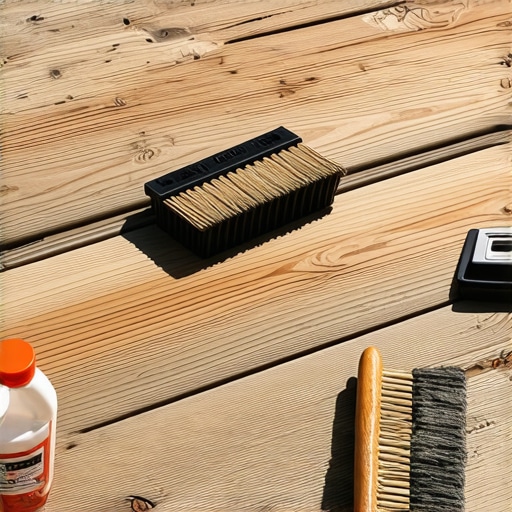
- Step 2: Scrubbing and Rinsing: Use a stiff-bristled synthetic brush to scrub the cleaner into the wood. While it is tempting to use a pressure washer, be extremely careful. Ipe is hard, but high-pressure water can still “fuzz” the wood fibers or create gouges if the nozzle is held too close. Use the lowest effective setting and keep the wand moving.
- Step 3: Brightening: After cleaning, the wood may look a bit dull or dark. An oxalic acid-based wood brightener will restore the pH balance of the wood and “open” the pores, preparing it to accept the oil. This step is the secret to that “like-new” glow.
- Step 4: Complete Drying: This is the step most people rush. Ipe must be bone dry before oiling. If moisture is trapped in the wood, the oil will not penetrate, and you may experience premature peeling. Wait at least 48 hours of clear weather.
- Step 5: Oiling: Apply a thin coat of Ipe-specific oil. The most critical part of this step is wiping off the excess. Because Ipe is so dense, it can only absorb a small amount of oil. Anything left sitting on the surface will turn into a sticky, tacky film that attracts dirt. If you’ve ever wondered why your deck stain is peeling after only one year, it is often due to over-application on dense hardwoods.
Technical Challenges: Why Ipe is Harder to Maintain than Softwoods
The very properties that make Ipe desirable – its hardness and density – also make it a challenge to work with and maintain. If you are hiring patio contractors, ensure they have specific experience with exotic hardwoods. Standard woodworking techniques simply do not apply here.
Firstly, Ipe is incredibly hard on tools. You cannot simply drive a screw into an Ipe board; the screw will snap, or the wood will split. Every single hole must be pre-drilled using specialized carbide-tipped bits. Furthermore, because the wood is so dense, it experiences significant internal tension. When the wood is cut, the ends are prone to “checking” or splitting as the moisture escapes through the end grain faster than the face. To prevent this, every end-cut must be sealed immediately with a clear aqueous wax, such as Anchorseal. Failure to seal the ends can lead to unsightly cracks within the first few months of installation.
Additionally, Ipe requires proper airflow. Because it is a natural product, it needs to breathe. If an Ipe deck is built too low to the ground without adequate ventilation, the bottom of the boards will stay damp while the top dries in the sun, leading to “cupping.” This is why professional deck and patio builders often insist on a minimum of 12 inches of clearance and proper drainage under the structure.
Ipe vs. The Competition: Maintenance & Cost Analysis
When considering Ipe, it is essential to look at the broader landscape of outdoor living materials. Many homeowners compare Ipe to high-end composites or other structures like a patio cover or an Alumawood system.
The Cost Factor
The initial Trex decking installation cost is often lower than Ipe, especially when you factor in the labor-intensive nature of hardwood. Ipe boards are expensive to source, and the labor to install them (pre-drilling, hidden fasteners, end-sealing) can be double that of composite materials. However, Ipe is a “buy once, cry once” material. While a composite deck may need replacement in 20-25 years due to fading or structural breakdown of the plastic-wood bond, an Ipe deck will likely outlast the house itself.
The Lifestyle Factor
If you are building a comprehensive outdoor space, including an enclosed patio or a patio and pergola combo, the maintenance of the deck should match the maintenance of the overhead structure. For instance, pairing an Ipe deck with an Alumawood patio cover is a popular choice. Alumawood provides the look of wood with the zero-maintenance benefits of aluminum, allowing you to focus your maintenance energy solely on the deck floor. When weighing these options, consider reading about Capped Polymer vs Wood-Plastic Composite: The Real Durability Gap to see how synthetic options stack up against the “Ironwood.”
In terms of thermal properties, Ipe also holds an advantage. While many composite decks can become painfully hot in direct sunlight – sometimes reaching temperatures that can burn bare feet – Ipe stays relatively cool. This makes it a superior choice for a patio renovation in warmer climates where the deck will be exposed to the midday sun.
Expert Sourcing & Installation Tips from Benjamin Martinez
As someone who has spent years helping architects and contractors source the best materials, I can tell you that the success of your Ipe deck starts long before the first board is laid. Here are three “insider” tips that can save you thousands in future maintenance costs.
- Acclimation is Mandatory: Ipe is a product of the rainforest. When it arrives at your job site, it is likely coming from a high-humidity environment or a climate-controlled warehouse. You must allow the wood to acclimate to your local humidity for at least 7 to 14 days. Stack the wood on-site with “stickers” (small strips of wood) between the layers to allow for airflow. If you install Ipe immediately, it may shrink or expand violently, causing fasteners to pop or boards to warp.
- Source “Premium Grade”: There is a difference between “Premium” and “Common” grade Ipe. Premium grade is clear of knots and sapwood. Sapwood is the outer layer of the tree; it is lighter in color and, crucially, it is not resistant to rot. If your contractor uses boards with significant sapwood, those areas will rot out in a few years, even if the rest of the board is fine.
- Protect the Substructure: The Ipe boards will last 50 years, but will your pressure-treated joists? Standard pine joists usually rot out in 15-20 years. To prevent this, I always recommend using high-quality joist tape. This simple butyl tape creates a waterproof barrier on top of the joists, preventing water from sitting in the screw holes. For more on this, check out my guide on how to tape your joists to double the life of your deck frame.
Finally, consider the fastening system. While face-screwing provides the strongest hold, it leaves visible holes (even if plugged). Most high-end patio contractors prefer hidden fastener systems like the Ipe Clip. These allow the wood to expand and contract naturally without putting undue stress on the screws.
Conclusion & Final Verdict
The maintenance reality of an Ipe hardwood deck is that it is as demanding as it is rewarding. It is not a “set it and forget it” material unless you are willing to embrace the silver-gray weathered look. However, for those who appreciate the unparalleled beauty of natural wood and want a structure that will stand for half a century, Ipe is unrivaled. It offers a level of prestige and durability that no composite can match. If you are ready to begin your patio construction journey, the best move is to consult with a professional deck and patio contractor who understands the specific needs of this exotic timber. Whether you are adding a patio roof or a simple sun deck, Ipe remains the gold standard of the outdoor living industry.