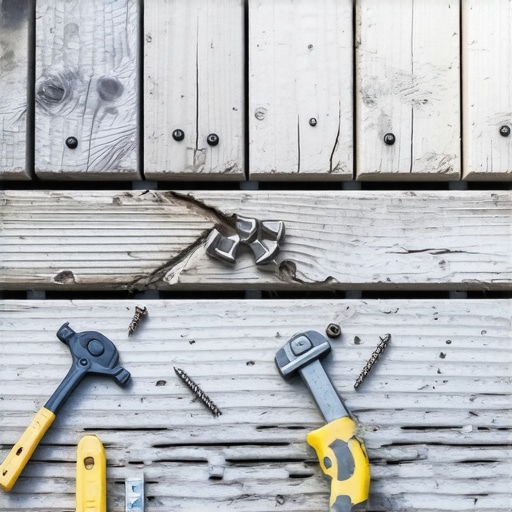
I remember the first time I installed a deck on my backyard—excited, eager to enjoy summer barbecues and lazy Sunday mornings outdoors. Like many DIY enthusiasts, I was tempted by the low prices of cheap deck screws, thinking, “Why pay more when these will do?” But within a year, I watched in dismay as parts of my deck wobbled, some screws rusted prematurely, and I started noticing loose boards—an annoying, costly nightmare. That lightbulb moment hit hard: what seemed like a small savings at the start was quietly turning into a significant expense.
Why Cutting Corners with Screws Can Backfire on Your Deck
Is Cheap Really Cheaper Over Time?
It’s tempting to go for the least expensive hardware, especially when you’re trying to keep costs down. However, choosing inferior deck screws often means sacrificing durability, rust resistance, and structural integrity. Poor-quality screws can corrode quickly, leading to boards loosening or pulling apart, which not only ruins the aesthetic but also poses safety risks. According to the industry experts at HGTV, investing in high-quality fasteners is essential to ensure your deck’s longevity and safety.
A mistake I made early on was ignoring the importance of stainless-steel fasteners, assuming they were just an expensive luxury. In reality, they are a wise investment to prevent rust and corrosion, which are the biggest enemies of outdoor wood and composite materials. This oversight led to a lot of unnecessary repairs and replacements down the line.
Have you ever faced the frustration of loose, wobbling boards just a year after your deck installation? If so, you’re not alone. Many DIYers learn the hard way that the initial savings can turn into long-term headaches.
In the sections ahead, I’ll walk you through the practical steps and insider tips to avoid these costly mistakes and ensure your outdoor space remains sturdy, beautiful, and safe for years to come. Want to know the most overlooked but critical thing to consider? Stay tuned, because it’s a game-changer for any decking project.
Choose Top-Quality Materials for Longevity
Start by selecting high-grade screws, specifically stainless-steel ones, for your deck. I once made the mistake of using bargain-bin galvanized screws, thinking I saved money, but within a year, they rusted and loosened. To prevent this, opt for screws labeled as corrosion-resistant, ensuring your deck withstands weather and time. When installing composite decking, check if the boards require specific fasteners, as certain brands have proprietary fixing systems. Remember, investing upfront in quality hardware reduces costly repairs later.
Calculate and Space Your Joists Correctly
Accurate joist spacing is critical—many DIYers ignore this, leading to sagging or cracking. Aim for a maximum of 16 inches on-center when working with composite boards, which are less forgiving than wood. I once attempted to install a deck with 24-inch spans, and the boards began to sag under foot traffic after a few months. Use a measuring tape and chalk line to mark your joist layout precisely, and double-check before securing. Proper spacing distributes weight evenly and prolongs the lifespan of your decking.
Prepare a Solid Foundation
Never skimp on footing placement. Excavate and pour concrete footings below frost line, or use adjustable deck piers for uneven terrain. In my project, I ignored the slope and installed on a level surface, which caused water pooling and eventual wood rot. To avoid this, I first mapped out the land’s contour, then set the footings accordingly. A stable base prevents shifting, wobbling, and structural damage over time, especially vital for outdoor stairs or multi-level decks.
Implement Precise Framing Techniques
Frame your deck with strong, properly secured beams, using metal hardware like post-to-beam connectors. I once used too few support posts, resulting in a deck that felt bouncy underfoot. By adding extra posts and using galvanized brackets, I increased stability. For aesthetic and safety, consider integrating a picture frame border to hide end gaps and reinforce rigidity. Proper framing acts as the skeleton of your deck, ensuring safety and durability for years.
Seal and Protect the Wood Components
Apply a high-quality sealant or stain, especially on end grains and underside areas, to resist moisture and UV damage. I neglected this step on an earlier build, and within two seasons, parts of the wood showed signs of cracking and decay. Use a brush or sprayer to evenly coat all surfaces, and schedule reapplication every 2-3 years. This maintenance prolongs the life of your deck and keeps it looking new.
Design with Function and Style in Mind
Beyond the structural, plan your layout to maximize space and comfort. Incorporate stairs and railings that meet safety standards, such as wider treads for easy walking and non-slip surfaces. When adding stairs, I found that wider treads and proper riser height made the space accessible for all family members. Explore inspiring deck and stair ideas to customize your outdoor oasis. A well-designed layout enhances usability and visual appeal.
Many DIY enthusiasts and even seasoned homeowners often assume they know everything about deck building, composite decking, and outdoor stairs. However, there are subtle nuances and common misconceptions that can significantly impact the durability, safety, and aesthetic appeal of your outdoor space. Let’s dig deeper into these overlooked details and challenge some of the prevalent myths.
One widespread myth is that using the cheapest composite materials is always a saving. In reality, lower-grade composites often lack UV resistance and may warp or fade faster, leading to more frequent replacements. Experts highlight that investing in quality composite decking, like those available in [composite decking trends for 2025](https://deckdesignbuild.com/composite-decking-trends-2025-the-ultimate-guide-for-outdoor-enthusiasts), ensures longevity and better value over time. Don’t fall into the trap of choosing solely based on upfront costs.
A common mistake in deck construction revolves around joist spacing, especially when installing composite boards. Many builders overlook that composites require a tighter spacing—usually around 16 inches on-center—to prevent sagging and cracking. Ignoring this can cause premature failure, which is a costly lesson learned the hard way. For advanced insights, see how [proper joist spacing](https://deckdesignbuild.com/why-your-joist-spacing-must-be-tighter-for-composite-boards) can make all the difference.
Have you ever questioned whether your stairs are as safe and stylish as they could be? Many think that bumping up their width or reducing riser height is enough. Yet, the nuance lies in integrating safety standards with aesthetic design, such as non-slip treads and proper lighting—like the solutions discussed in [integrative outdoor stair designs](https://deckdesignbuild.com/innovative-stairs-solutions-for-safe-outdoor-deck-access). A subtle misstep here can lead to hazards or a visual mismatch.
One advanced consideration often missed is thermal expansion in composite decking and stairs. During hot summer days, materials can expand slightly, causing buckling if not properly installed with allowances. External factors like temperature variance are sometimes dismissed as negligible, but studies from industry professionals emphasize that this can compromise your project’s integrity over time. To avoid this, follow expert recommendations in [outdoor stair safety and design](https://deckdesignbuild.com/designing-safe-and-stylish-stairs-for-outdoor-decks-in-2025).
Finally, many overlook the importance of concealed fasteners and proper sealing to prevent moisture infiltration—a crucial step in preserving wood components and preventing rot. Proper sealing around joints and using hidden fasteners offer both aesthetic and structural benefits. For detailed techniques, explore [sealing and protecting outdoor structures](https://deckdesignbuild.com/why-your-deck-footings-should-always-be-above-grade).
By understanding and applying these nuanced aspects, your outdoor project won’t just look good—it will stand the test of time. Have you ever fallen into this trap? Share your experience in the comments and let’s learn together.Maintaining your deck, especially with composite materials and outdoor stairs, requires precision and the right equipment. One essential tool I swear by is a cordless oscillating multi-tool with a flexible scraper attachment. It’s perfect for removing stubborn grime and old sealants from between boards without risking damage to your decking surface. I personally prefer brands like Dremel or Fein, as their batteries last longer and the attachments stay securely in place during prolonged use. Regular cleaning, combined with a high-quality deck brush and a biodegradable cleaning solution, can extend the lifespan of your decking — this is crucial as trends point toward eco-friendly maintenance products gaining popularity. To accurately measure and mark joist positioning during repairs or upgrades, I rely on a digital laser level — it speeds up the process and minimizes errors, especially on uneven terrain. This tool also ensures your framing remains level, reducing wobble and extending the life of your entire outdoor living space. Looking ahead, automation and smart tools like app-controlled sprayers and robotic cleaners could revolutionize deck maintenance, reducing manual labor and ensuring consistent results. For example, integrating a smart sprinkler system to keep the deck and stairs dry can prevent moisture-related issues and mold growth. So, I challenge you to incorporate a laser level into your next project to ensure perfect alignment, making your deck safer and more visually appealing. Want a professional touch? Investing in high-quality fasteners and weatherproofing tools now will save you many headaches down the road, as emphasized by industry experts on [deckbuilding standards](https://deckdesignbuild.com/structural-considerations-for-long-lasting-outdoor-decks). Strong tools combined with disciplined routine maintenance pave the way to a deck that stays gorgeous and functional for years to come.
What I Didn’t Know Until It Was Too Late
- Investing in high-quality stainless-steel fasteners was a game-changer. I used cheap galvanized screws initially, only to watch my deck rust and weaken over time, proving that quality hardware truly saves money in the long run.
- Proper joist spacing isn’t just a detail—it’s the backbone of a durable deck. Skipping this step led me to sagging boards and repeated repairs, emphasizing the importance of precise measurements and following expert guidelines.
- Foundations matter more than I thought. Ignoring terrain slope and frost lines resulted in wobbly, unreliable structures. Careful planning with level footings ensured stability for years to come.
- Sealing is my secret weapon. Initially neglecting this step led to cracks and rot, but regular application of high-quality sealant has kept my deck looking fresh and sturdy through seasons.
- Design isn’t just aesthetics—it’s safety and usability. Incorporating wider stairs and non-slip treads made my outdoor stairs safer and more inviting, showing how thoughtful planning elevates the entire experience.
Tools and Resources I Trust for Deck Success
- The Dremel oscillating multi-tool with a flexible scraper attachment has become indispensable for cleaning between boards and removing old sealants without damage. Its precision saves me hours and preserves my deck’s surface.
- A digital laser level is a must-have. It ensures perfect alignment when laying joists or fixing uneven terrain, preventing future wobbling and structural issues. Once I started using it, everything became more accurate and efficient.
- For expert guidance on composite decking trends, [this guide on 2025 trends](https://deckdesignbuild.com/composite-decking-trends-2025-the-ultimate-guide-for-outdoor-enthusiasts) keeps me ahead of the curve with innovative ideas and materials.
- When in doubt about framing or structural questions, I turn to trusted industry articles like [structural considerations for long-lasting outdoor decks](https://deckdesignbuild.com/structural-considerations-for-long-lasting-outdoor-decks), which offer insights grounded in real-world experience and standards.
Your Deck Deserves More Than Just a Surface
Don’t let the lessons from my journey go to waste—embrace the details that make your outdoor space safe, durable, and beautiful. Every well-built deck adds value and joy to your home. Remember, taking the time to learn and invest in quality tools and materials paves the way for years of enjoyment. So, are you ready to elevate your outdoor living game and avoid the pitfalls that can cost you later? Dive into your project with confidence, knowing you have the insights to guide every step. What’s the first improvement you plan to make on your deck this season? Let me know below.