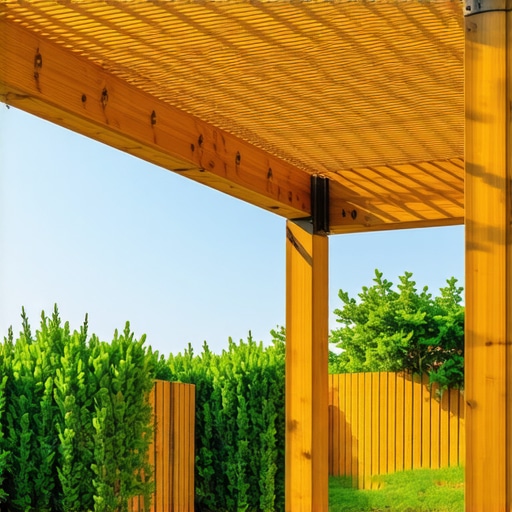
I remember the moment vividly. I had spent weeks building what I thought would be the perfect pergola to complement my backyard oasis. But as the seasons changed, my beautiful structure began to develop unsightly twists and warps. It was disheartening—my vision was unraveling right before my eyes. That lightbulb moment made me realize: not all woods are created equal when it comes to outdoor longevity and stability.
Why Picking the Right Wood Matters More Than You Think
Choosing the proper wood for your pergola isn’t just about aesthetics or cost. It’s about ensuring that your outdoor investment stays beautiful and functional for years to come without constant repairs or adjustments. The wrong choice can lead to twisting, warping, or even structural failure—issues that turn your relaxation spot into a headache.
Is All Wood Created Equal for Pergolas? The Skeptic’s Voice
I often hear skeptics ask, “Isn’t pressure-treated pine good enough for outdoor structures?” Honestly, I used to think so too—until I saw how quickly it twisted under the sun and rain. Early on, I made the mistake of assuming all woods would perform similarly. That was a costly lesson. According to experts, some woods naturally resist movement and rot better than others, saving you time, money, and frustration in the long run.
If you’re like me, you want a pergola that stays true to its original form, especially when the goal is to create a safe, inviting space. The key is selecting a wood species inherently resistant to warping and twisting—like cedar or certain hardwoods. Let’s explore which woods make the best candidates and how to choose the right one for your project.
Before we get into the specifics, if you’re curious about the importance of proper structural design, check out innovative outdoor stairs solutions for safer, more durable access. Now, let’s dive into the top woods that won’t twist and why they’re worth considering for your pergola.
Choose Durable, Naturally Resistant Woods
Start by narrowing down your options to woods known for their resistance to outdoor elements. Cedar and hardwoods like ipe or cumaru are excellent choices because they naturally withstand moisture, pests, and temperature fluctuations without warping. I recall a project where I replaced pressure-treated pine with cedar for my pergola—immediately, I noticed less twisting and a more stable structure over two seasons. Selecting the right wood isn’t just about appearance; it’s about ensuring longevity and structural integrity in your design.
Source from Reputable Suppliers
Quality starts with proper sourcing. Always buy from suppliers who specify grade, treatment, and origin. For example, opting for kiln-dried cedar with clear grading results in fewer knots and more uniform fibers, reducing internal stresses that cause warping. I learned this the hard way when I bought a bulk lot from a local mill, only to discover later that the wood had inconsistent moisture content, which led to twisting during installation. Trustworthy suppliers provide the consistency needed for a stable pergola.
Properly Prepare Your Materials
Once you have your wood, treat it to minimize movement. Apply a high-quality stain or water repellent designed for outdoor use. Also, store your wood in a dry, well-ventilated area for a few days before building. This acclimatization step reduces chances of future warping caused by uneven moisture content. For my recent project, I temporarily stacked the boards on sawhorses in my garage, which matched the outdoor conditions, and noticed significantly less twisting after installation.
Design with Stability in Mind
Incorporate cross-bracing and choose appropriate joist spacing to reduce stress points that encourage warping. For example, spacing beams no more than 16 inches on center ensures even load distribution and minimizes bending forces. I once designed a pergola with 24-inch spacing, and months later, I observed slight twisting due to uneven load distribution. Adjusting spacing and adding diagonal braces transformed my structure into a sturdy, lasting feature.
Implement Correct Installation Techniques
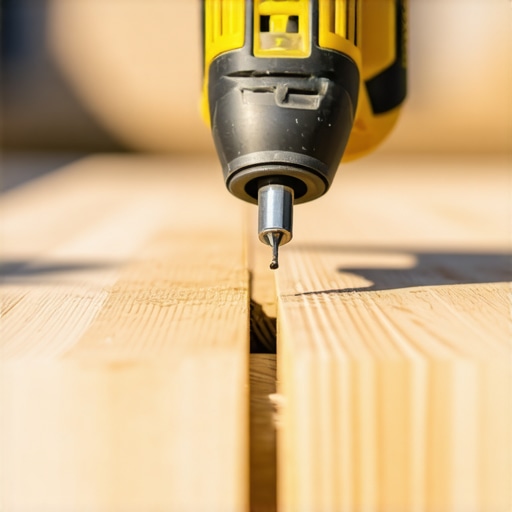
Secure components tightly but avoid overtightening fasteners, which can induce internal stress. Use corrosion-resistant fasteners designed for outdoor timber, such as stainless steel or coated screws. During my last build, I pre-drilled pilot holes to prevent splitting and allowed for natural expansion. This attention to detail prevented the boards from warping as they adapted to temperature variations.
By following these concrete steps—choosing the right wood, sourcing quality materials, preparing thoughtfully, designing for stability, and installing correctly—you’ll significantly reduce the risk of warping or twisting in your pergola. For further insights on creating durable outdoor structures, consider exploring how stairs can enhance outdoor living.
Many homeowners believe that choosing composite decking automatically guarantees low maintenance and longevity, but this is a common myth. In reality, the quality of the composite material and installation details make a significant difference—cutting corners can lead to warping, color fade, and even structural issues over time. Additionally, there’s a misconception that all outdoor stairs and decks can be designed the same way; however, advanced considerations such as proper load calculations, slip resistance, and seamless transitions are crucial for safety and aesthetics. Failing to account for these nuances often results in costly repairs and safety hazards. For example, integrating proper drainage systems or incorporating thoughtful stair designs, like those discussed in creating seamless transitions, can elevate your outdoor space’s functionality and style. Many believe hiring a deck builder is unnecessary for simple projects, but partnering with a professional ensures adherence to safety codes and optimal material usage—see benefits of professional guidance. Overlooking these advanced details is where many go wrong, turning what could be a stunning outdoor retreat into a maintenance nightmare. Have you ever fallen into this trap? Let me know in the comments.
Keeping your outdoor deck in top shape requires the right tools and a proactive maintenance routine. Over the years, I’ve honed my toolkit to include specific equipment that ensures precision, efficiency, and durability. One of my go-to items is a high-quality cordless impact driver. I personally prefer models that offer at least 2,000 in·lbs of torque, like the Milwaukee M18 Fuel, because they make fastener installation and removal effortless, saving time and reducing material stress. This tool is invaluable when securing joists or installing hardware, ensuring tight, secure connections that stand the test of time.
How do I maintain my deck over time?
Regular inspection is vital. I check for loose fasteners, damaged boards, and signs of water infiltration every season. For cleaning, I use a deck-specific pressure washer attachment with a maximum of 1,500 PSI—anything higher risks damaging the composite or wood surface. I also swear by a stiff-bristle push broom for routine sweeping, which prevents debris buildup that can trap moisture and cause rot or warping.
In terms of preventative maintenance, applying a high-quality water repellent every couple of years keeps the wood fibers sealed and reduces the effects of UV exposure. For composite decks, I focus on gentle cleaning and occasional use of specialized composite surface cleaners to prevent staining and mold growth. As the trend towards low-maintenance outdoor living continues, investing in the right gear and routine upkeep pays off big time for longevity.
Why upgrading your tools benefits long-term results
Modern advancements such as smart moisture meters and laser distance measurers improve precision. For example, using a digital moisture meter helps verify that lumber has an optimal moisture content—around 12%—before installation, which reduces warping over time. Laser tools speed up layout work, ensuring even spacing and alignment without guesswork. Adopting these tech-forward tools might seem like an investment now, but they ultimately save money by preventing mistakes and reducing rework.
Looking ahead, I predict smart technology will become even more integrated into deck maintenance. IoT sensors embedded in decking materials could monitor moisture levels and structural stress 24/7, alerting homeowners and contractors about potential issues before they escalate. This future-oriented approach ensures your outdoor space remains safe and stunning for decades to come.
Enhance your deck with expert guidance
If you’re serious about long-term stability and want professional insights, check out the benefits of working with a professional deck builder. They can recommend tailored tools and maintenance routines based on your specific deck design and material choice, like those discussed in this article. Don’t hesitate to try out advanced tools like moisture meters or impact drivers—investing in quality equipment today ensures your outdoor living area remains a beautiful retreat for years to come. For more tips on optimizing your space with durable materials, explore these ideas.
The Hidden Wisdom I Wish I Knew Before Building My Deck
- Concrete lessons often come from mistakes. My early projects made me realize that neglecting proper wood seasoning leads to warping, regardless of the species. Waiting an extra few days for acclimation saved me headaches and materials costs later.
- Supplier quality can make or break your project. Rushing to buy cheap or mixed-grade timber resulted in inconsistent appearance and stability. Prioritizing reputable sources like trusted mills or certified suppliers ensures uniformity and peace of mind.
- Design details impact longevity more than you think. Incorporating diagonal braces and optimal joist spacing not only improved aesthetics but also prevented future twisting—a lesson that transformed my understanding of structural resilience.
- Proper installation techniques are your best defense against warping. Pre-drilling, avoiding overtightening, and using corrosion-resistant fasteners kept my outdoor structures sturdy and aligned through changing seasons.
- Community knowledge accelerates mastery. Engaging in online forums and consulting experienced deck builders provided insights that books often overlook—saving time and expanding my craft.
Tools and Resources That Changed My Approach
- Digital moisture meters: Ensuring wood moisture content stays around 12% before installation minimizes future warping. Trusted brands like Wagner’s pin-type meters give reliable readings.
- Impact drivers with 2,000+ in·lbs torque: Quality impact drivers like Milwaukee M18 Fuel make securing fasteners effortless, reducing stress and ensuring tight connections.
- Professional-grade stains and water repellents: Products like Cabot’s Australian Timber Oil provide deep penetration and long-lasting protection, vital for maintaining wood health over years.
- Design software for precise planning: Tools like SketchUp help visualize complex layouts and detect potential issues early, saving time and material.
Your Turn to Elevate Outdoor Living
Building durable, beautiful outdoor spaces starts with the right choices and a willingness to learn from real-world experience. Each project teaches new lessons—embrace them to create structures that truly stand the test of time. Remember, whether you’re upgrading your deck or designing challenging stair transitions, attention to detail and continuous learning transform your outdoor living dreams into reality.
What has been your biggest learning moment when working on outdoor structures? Drop your stories below—I’d love to hear your insights and help troubleshoot any tricky spots!