I’ll never forget the first time I noticed a deep scuff marring the pristine surface of my favorite composite deck. After months of enjoying sunny afternoons and backyard barbecues, a careless step or dragged chair suddenly left a visible mark. Frustration set in quickly—how could something so small feel like a major eyesore? That moment was my lightbulb, realizing that despite the durability of capped composite boards, accidents happen, and restoring their beauty isn’t always straightforward.
Why Scuff Repairs Matter More Than You Think
Looking out at my deck now, I understand that your outdoor space is an extension of your home—a place for relaxation, entertaining, and making memories. When scuffs appear, they not only diminish that ambiance but can also signal larger issues like surface wear or improper maintenance. Moreover, ignoring these blemishes can lead to quicker degradation over time, ultimately compromising the long-term value of your decking investment. If you’ve faced similar frustrations, know that you’re not alone, and there’s good news: repair isn’t just possible—it can be simple with the right approach.
Is It Worth Fixing Minor Scratches or Just Replacing the Boards?
Early in my journey, I made the mistake of thinking a deep scratch was a sign that the entire board needed replacement. Turns out, with some patience and proper tools, many scuffs can be polished out or masked without costly replacements. According to experts, quick and effective repairs can extend the life of your composite decking and keep your outdoor area looking fantastic. Want to learn how I managed to make those scars disappear? Keep reading, because I’ll walk you through proven techniques and tips to handle scuffs on capped composite boards easily.
If you’re tired of staring at those stubborn marks every time you step outside, you’re in the right place. We’ll explore practical, tried-and-true methods to restore your deck’s surface, helping you maintain that flawless outdoor space you worked so hard to create.
Clean the Affected Area Thoroughly
Start by removing any loose dirt, grime, or debris from the scuffed surface. Use a soft-bristle brush or a damp cloth with mild soap to scrub the area gently. This clears the way for the repair process and ensures no abrasive particles will cause further scratches during cleaning.
Assess the Depth and Severity of the Damage
Determine whether the scuff is superficial or deep. Light scratches may just require polishing, while deeper marks might need filler or specific repair techniques. I once faced a stubborn scuff on my deck after a big barbecue, and careful inspection made all the difference in choosing the right fix.
Apply a Suitable Cleaning or Repair Solution
For light scratches, a composite deck cleaner or a dedicated polishing compound can restore the shine. Use a soft cloth or buffer to work the product into the surface, following the manufacturer’s instructions. For deeper scars, consider using a composite repair kit that matches your deck’s color.
Using a Repair Kit Effectively
If opting for a repair kit, mix the filler according to the package, and apply it in thin layers to the scratch. Smooth with a putty knife or applicator. Allow ample drying time between coats to prevent uneven surfaces. I learned that patience pays off when restoring a textured surface like composite decking.
Sand and Finish for a Seamless Look
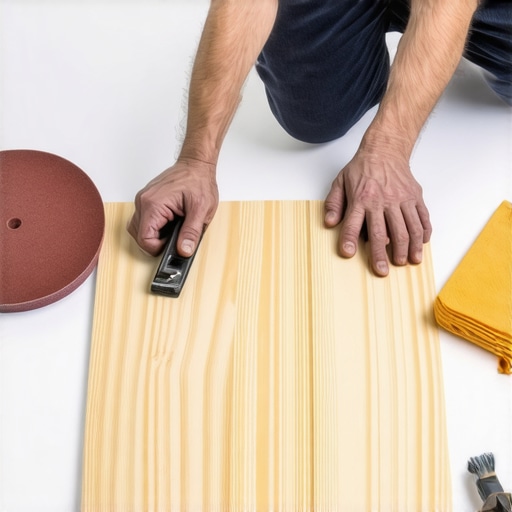
Once the repair material is dry, lightly sand the area with fine-grit sandpaper to blend it with the surrounding surface. Be gentle to avoid removing too much material or creating new scratches. Finish with a cleaning cloth to remove dust, and check if another layer of polish is needed. This step mirrors the careful craftsmanship a professional deck builder employs to ensure seamless repairs.
Protect Against Future Damage
To prevent future scuffs, consider applying a protective coating or sealant designed for composite decks. Regular maintenance, like sweeping off grit and cleaning spills promptly, extends the lifespan of your decking. Think of it as giving your deck a shield, much like how a good deck builder recommends sealing outdoor surfaces for longevity. For more ideas on elevating your outdoor space, check out expert deck tips.
Know When to Call a Professional
If the damage is extensive or the surface is delaminating, it’s best to consult a deck contractor. Skilled professionals can assess the structural integrity and provide durable repairs, helping you avoid costly replacements down the line. A trusted deck builder can turn your outdoor oasis into a safer, more beautiful retreat, aligning with your vision for the space. Learn more about choosing the right expert at professional deck services.
 Many homeowners and even seasoned DIY enthusiasts believe that choosing the right composite decking material is straightforward, but the reality is far more complex. Contrary to popular belief, not all composite boards are equally resistant to scratches, fading, or thermal expansion. For example, while many default to cost as the primary factor, expert insights suggest that investing in higher-quality capped polymer options offers significantly enhanced durability and longevity, especially in climates with extreme temperature variations. Learn more about selecting durable composite materials that stand the test of time.
Another misconception revolves around deck builders—they are often viewed as a commodity service that can be swapped easily. However, the expertise of a professional deck builder extends beyond simple carpentry. Their nuanced understanding of structural integrity, local building codes, and long-term maintenance to prevent issues such as water pooling or board warping makes them invaluable. Opting for a skilled contractor can be the difference between a beautiful, lasting deck and a costly redo. For tips on selecting a proficient builder, visit our contact page.
Stair design is frequently underestimated, especially the importance of proper riser heights and tread depths. A common mistake is neglecting to adhere to the 7-inch riser height rule, which not only affects safety but also user comfort. An advanced issue, often overlooked, involves the integration of stairs into multi-level decks—ensuring seamless transitions without drips or structural sagging requires precise framing techniques and a deep understanding of load distributions. Recent research indicates that improper framing can lead to significant structural failures over time. Read more about designing safe and stylish stairs at this resource.
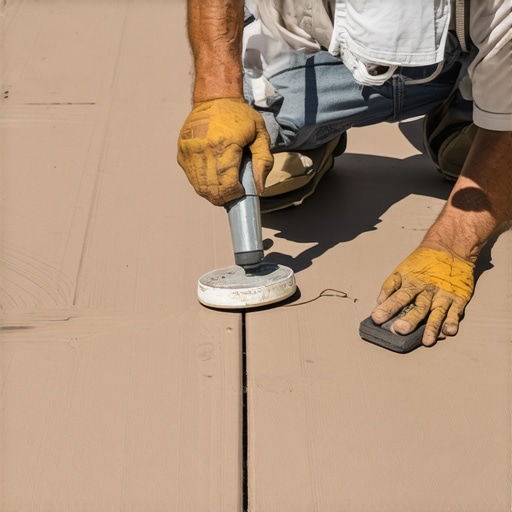
Beware the myth that DIY solutions always save money and time. Many attempt quick fixes like filling scratches with generic fillers, but without proper prep and matching techniques, repairs become glaring. Importantly, not every repair method is suitable for every material; for instance, using standard wood fillers on composite surfaces often leads to delamination or discoloration. An expert approach involves understanding the material’s physical properties, a topic well-reviewed in industry studies. Know when to call an expert to avoid costly mistakes, and explore professional advice at this link.
In outdoor living projects, details matter—such as the subtle differences in fastener choices that impact long-term performance. Using inappropriate screws or fasteners, especially in high-wind zones, can lead to loosening or corrosion that compromises the deck’s safety. A detailed study from the Building Research Institute emphasizes that fastener corrosion is a leading cause of deck failures. Opt for stainless steel or polymer-coated fasteners to ensure secure, lasting connections. Want to avoid these traps? Talk to a professional at this page.
Understanding these nuanced aspects of outdoor living and deck construction allows you to make informed decisions, avoiding common pitfalls that cost time and money. The devil is in the details, and expertise makes all the difference. Have you ever fallen into this trap? Let me know in the comments, and share your experiences to help others master their outdoor projects.
Tools I Recommend to Keep Your Deck in Top Shape
Maintaining a beautiful outdoor deck isn’t just about aesthetics; it’s about ensuring safety, longevity, and enjoyment. Over the years, I’ve found that having the right set of tools can make all the difference. First, invest in a high-quality cordless drill with adjustable torque. It makes tasks like tightening fasteners or installing new components effortless and prevents strip-outs. Next, a multi-tool with oscillating capabilities is invaluable for detailed sanding, cleaning tight corners, or removing old sealant without damaging adjacent surfaces. I personally prefer brands like Dremel or Fein because of their reliability and precision.
For cleaning, a good pressure washer with adjustable pressure settings allows me to remove dirt and grime without risking damage to the composite material. I recommend avoiding high-pressure blasts directly on the surface; instead, use a low setting with a fan spray attachment. Pair this with a biodegradable decking cleaner—biological solutions are gentler on the environment and still effective at removing stains or moss. Check out this guide for selecting durable, low-maintenance composite boards, which also simplifies upkeep.
When it’s time to repair or replace, I always keep a set of quality putty knives, sandpaper (fine grit), and matching composite repair fillers on hand. The precision and control these tools give me help blend repairs seamlessly, preserving the deck’s appearance. Long-term, I recommend investing in a good level—nothing beats the confidence from knowing your deck’s surface is perfectly even, which prevents water pooling and warping. As technology advances, look out for smart deck monitors that can track humidity and temperature, alerting you when maintenance is needed before issues escalate. Experts predict that smart sensors are poised to become standard in outdoor maintenance systems, allowing proactive care rather than reactive fixes.
How do I maintain my outdoor deck over time?
Consistent routine checks coupled with simple maintenance routines can extend your deck’s lifespan dramatically. Regularly sweep off debris—preferably daily during certain seasons—to prevent grit accumulation that causes scratches. Biannual deep cleans with a gentle biodegradable cleaner, followed by a thorough inspection of fasteners and structural components, will catch early signs of wear or damage. Applying a breathable sealant designed specifically for composite decking every few years helps protect against moisture ingress and UV damage. Choose products that are compatible with your deck material; I recommend consulting expert guidelines like this resource for insights into sealing technologies.
Looking ahead, the incorporation of IoT (Internet of Things) devices in outdoor spaces will revolutionize maintenance routines. Imagine setting up sensors that monitor temperature, humidity, and structural stability, sending alerts directly to your smartphone. This technology aims to shift outdoor deck care from reactive to predictive, saving time and money while safeguarding your investment. So, why not start small? Try upgrading one section of your deck with a smart moisture sensor or a weather-resistant LED lighting system. These enhancements provide immediate benefits and prepare you for the future of outdoor living maintenance.
,
The Wise Secrets I Wish I Knew About Outdoor Living and Deck Maintenance
- Prevention beats repair—early inspections and routine upkeep saved me from costly fixes and kept my deck looking pristine longer.
- Choosing quality materials isn’t just about aesthetics; it’s an investment in durability that pays off over years of outdoor enjoyment.
- Hiring a skilled deck builder has been one of the best decisions—expertise ensures structural safety and design harmony that DIY can’t match.
- Attention to detail, like proper fastener selection and correct stair framing, makes all the difference in creating a safe, stylish outdoor space.
My Go-To Arsenal for a Long-Lasting Deck
- High-quality cordless drill—Effortless fastening and fewer mistakes, especially in tight corners.
- Biodegradable decking cleaner—Gentler on the environment yet tough on grime, perfect for regular maintenance.
- Fine-grit sandpaper—Blends repairs seamlessly without damaging the surface.
- Smart moisture sensors—Early alerts for potential issues, keeping your deck in top shape effortlessly.
Step Outside and Take the Next Leap
Restoring and maintaining your outdoor space is more than just upkeep; it’s about crafting a sanctuary that ages gracefully with you. With the right knowledge and tools, you can elevate your deck into a timeless haven for memories. Don’t wait for imperfections to become costly repairs—start implementing these insights today and enjoy the freedom of a flawless, durable outdoor retreat.
What’s the biggest lesson you’ve learned about deck care? Share your story below and help others turn their outdoor spaces into personal paradises.